
2025 saw plenty of successes in tech, but the flops and self‑inflicted wounds were just as memorable. From a looming DJI drone blackout in the US to collapsing EV incentives and AI tools that don’t understand the shows they summarize, the year’s biggest losers tell a story of missed opportunities and avoidable setbacks. Here’s how consumers, platforms and policy choices ended up on the wrong side of the ledger.
US Consumers and the DJI Drone Crackdown
For American drone buyers, 2025 was a brutal year. Lawmakers and regulators escalated efforts to squeeze DJI out of the US market over long‑standing fears that its aircraft might be used to surveil sensitive infrastructure on China’s behalf. The problem is DJI controls more than three‑quarters of the global consumer and prosumer drone market, and its craft are consistently the most capable and reliable. Removing them without a robust review process or a clear replacement plan effectively punishes US buyers, firefighters, surveyors and creators more than it punishes Beijing.
DJI’s “last‑chance” push for a formal security review — letters to multiple agencies asking for a technical assessment instead of a blanket blacklist — underscores how little hard evidence has actually been aired. If the clampdown proceeds without that due diligence, Americans will be left with fewer, worse and likely more expensive options, while serious national security concerns remain unresolved. That combination makes US consumers an easy pick for the loser column.
EV Adoption in the US vs the Rest of the World
Electric vehicles had a banner year almost everywhere except America. Globally, EV sales climbed about 25 percent, and some markets blew past that: Germany hit a record where roughly one in five new cars registered in the first half of the year were electric, and China crossed the 50‑percent mark, pushing gasoline models out so aggressively that surplus ICE cars are being dumped overseas. Against that backdrop, the US slammed the brakes on progress by killing the federal EV tax credit under the Trump administration.
The result was immediate and ugly: domestic EV sales slumped, with some manufacturers like Ford reporting year‑over‑year drops around 60 percent in their electric lineup. Removing purchase incentives makes it harder to bring affordable battery‑powered models to market, chills investment in domestic supply chains and widens the technology gap between US automakers and their European and Chinese competitors. Instead of leading the transition, America risks becoming a dumping ground for yesterday’s combustion tech.
Platform Misfires: Xbox, Streaming and Grok
Platform owners had their own stumbles. Xbox, still struggling to define its identity, spent much of the year sending mixed signals: hardware takes a back seat to services, “exclusives” seep onto rival platforms and marketing campaigns can’t quite explain what an Xbox is anymore. The long‑term bet on subscriptions and cloud might pay off, but in 2025 it mostly left loyal console fans confused and rivals more sharply differentiated.
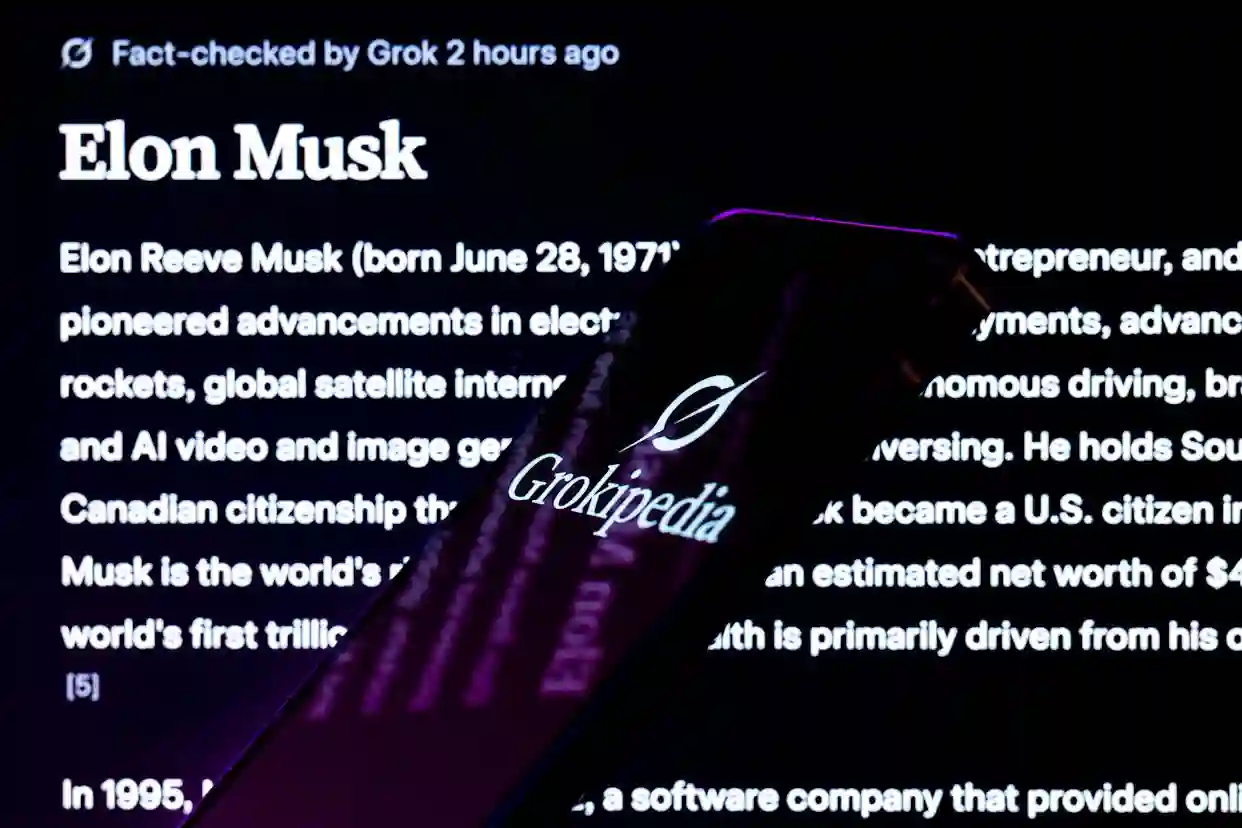
Streaming TV continued its slide from “cord‑cutting revolution” to “expensive bundle with worse UX.” Price hikes, fractured catalogs, aggressive ad tiers and surprise cancellations made it harder than ever to follow shows you love. Meanwhile, Elon Musk’s Grok chatbot tried to stake out an edgy, “uncensored” niche in the AI landscape but mostly demonstrated how quickly a model can feel both unreliable and stale when it leans on vibes and politics more than utility. In all three cases, user trust eroded faster than any new feature could rebuild it.
AI’s Growing Pains: Recaps, Deals and Backlash
AI itself managed to be both hero and villain this year, but several high‑profile missteps landed firmly in loser territory. Amazon’s AI‑generated recap tool for its Fallout series is a perfect example: it confidently misdated key flashbacks by more than a century and mangled the season‑ending twist, undermining the entire point of a “catch‑up” feature. When an AI can’t accurately summarize the company’s own flagship show, it raises uncomfortable questions about where else automation is quietly getting the details wrong.
At the same time, massive tie‑ups like Disney’s three‑year licensing deal with OpenAI signaled how deeply generative models will be woven into creative franchises. That partnership gives Sora and ChatGPT access to hundreds of iconic characters, but it also amplified industry anxiety over IP control, labor displacement and studios chasing “slop” — low‑effort AI content dressed in familiar brands. OpenAI itself spent much of the year under a cloud, with critics warning its governance and safety posture looked like a house of cards. Taken together, 2025 was a reminder that AI at scale can fail loudly and publicly when deployed without careful human oversight.
Policy and Power Plays Around AI Law
The regulatory front minted more losers. States began experimenting with their own AI rules — transparency mandates, likeness protections, sector‑specific guardrails — only to find the federal government leaning hard in the opposite direction. Trump ordered up a litigation task force expressly designed to challenge state AI laws, echoing earlier attempts to bake a decade‑long preemption of state regulation into federal budget language. For residents who might welcome local guardrails around deepfakes, data use or workplace automation, the message was clear: Washington is more focused on protecting industry flexibility than on backing state‑level experiments.
That tug‑of‑war leaves startups and researchers navigating a patchwork that could change overnight in court, while ordinary people see few concrete protections materialize. When policy is driven more by political loyalty and lobbying than by technical reality or public input, everyone outside the negotiating room gets a little poorer in rights and clarity — a fitting, if depressing, note for a losers list.