
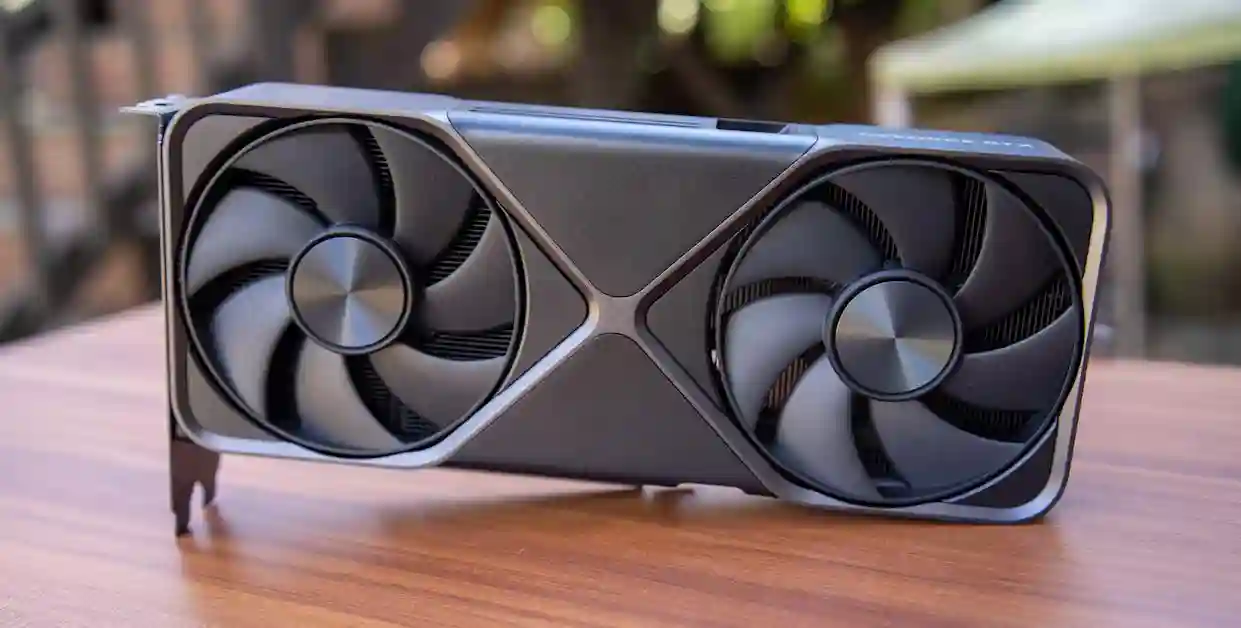
The current AI infrastructure boom is already driving up prices for RAM and SSDs, and GPUs are almost certainly next. With memory manufacturers pivoting capacity toward high-margin AI customers and rumors of VRAM-driven GPU price hikes from AMD and NVIDIA, the “wait for a sale” approach is suddenly risky. If you know you’ll need a new graphics card before the end of 2026, this is one of the better windows you’re likely to get.
How AI Is Distorting the PC Parts Market
Micron’s decision to wind down its Crucial consumer brand and focus on AI data center memory is a clear signal: retail RAM and SSDs are no longer the priority. Other major suppliers have followed similar paths, tightening NAND wafer supply and helping push some consumer SSD prices up 20–60 percent in a single month. Rising LPDDR5X demand from both smartphones and AI accelerator platforms is expected to push those prices higher in 2026, which will bleed into the cost of everything from laptops to handhelds.
On the GPU side, reports now suggest AMD is preparing MSRP increases of around $20 on 8GB Radeon models and $40 on 16GB cards due to escalating GDDR6 spot prices. At the same time, leaks indicate NVIDIA may stop bundling VRAM with its GPU dies for board partners, forcing them to source memory separately in a constrained market—another setup for retail price inflation.
Why Waiting for “Next-Gen” Makes Less Sense
Normally, holding out for the next architecture is smart. This time, the roadmap is sparse and colliding with the memory crunch. NVIDIA’s Blackwell “Super” refresh is rumored for mid-2026 at the earliest, and there’s no guarantee it will launch at the same MSRPs as current cards given more expensive VRAM. AMD’s RDNA 5, expected to be a major architectural leap, is not likely until around 2027, leaving RDNA 4 as the mainline option for years.
In other words, there’s no imminent wave of cheaper, faster GPUs arriving to reset prices. Instead, already-announced products are likely to drift upward in cost as memory contracts renew and AI demand accelerates. That makes “buy now if you actually need it and can afford it” unusually solid advice.
What to Look For in a GPU in 2025–2026
The core rule of thumb still stands: aim for at least 12GB of VRAM, and prefer 16GB if you want the card to last several years. Modern games at 1440p and above, especially with ray tracing enabled, already push past 8GB in many scenarios. Buying an 8GB card today is essentially accepting a short runway, even before AI-driven price pressure is factored in.
For most buyers, it makes sense to focus on three bands: a strong budget 1080p/entry 1440p card, a midrange 1440p/high-refresh option, and a 4K-capable upper-midrange GPU. Ultra-enthusiast hardware remains in its own world price-wise, and if you’re shopping at that tier, the broader pricing environment matters less than your personal budget and use case.
Recommended GPUs Before Prices Climb
Intel Arc B580 (Budget 1080p/1440p)
If you’re locked to a strict budget, the Intel Arc B580 is the standout value card around the $250 segment. It typically ships with 12GB of VRAM, which is rare at this price, and delivers very solid 1080p performance with respectable 1440p capability in many modern titles. The main trade-offs are occasional driver quirks and weaker support in some older or niche games, but Intel’s software has improved significantly compared with early Arc launches.
The catch: lower-margin budget cards like the B580 are the first to feel pressure when GDDR6 pricing rises, because board partners have very little room to absorb extra cost. If any tier is going to creep upward quickly, it’s this one, so waiting here is particularly risky if every dollar counts.
NVIDIA RTX 5060 Ti 16GB (Sweet-Spot 1440p)
For buyers who can stretch beyond entry-level, the RTX 5060 Ti with 16GB of VRAM is the most balanced choice. The 8GB version is far easier to outgrow, so it’s best skipped in favor of the larger frame buffer. At its intended price point, the 5060 Ti offers excellent 1080p performance, strong 1440p gaming with ray tracing, and access to DLSS upscaling and frame generation for longevity.
Against the 5070 (limited to 12GB), the 5060 Ti 16GB is often the better long-term pick despite slightly lower raw performance. Many future titles will be VRAM-bound at higher resolutions; the extra 4GB helps avoid stutters and texture compromises, especially in open-world and heavily modded games.
AMD Radeon RX 9070 / 9070 XT (Midrange 1440p and Entry 4K)
In the midrange, AMD’s Radeon RX 9070 and 9070 XT stand out for value—both equipped with 16GB of VRAM. The non-XT model suits most builds thanks to lower power and cooling requirements while still offering excellent 1440p performance and playable 4K in many titles with tuned settings. The 9070 XT adds headroom if you already have a strong PSU and care about higher 4K frame rates or heavier ray tracing loads.
Given rumored GDDR6-based MSRP bumps across AMD’s 8GB and 16GB product stack, these cards are prime candidates to move upward in price as inventory cycles. If you’ve been eyeing an RX 9070-class GPU for a new 1440p system, waiting for a sale in 2026 may backfire if baseline prices quietly rise first.
NVIDIA RTX 5070 Ti (Upper-Midrange 4K Option)
For players who want convincing 4K without paying the premium for 5080/5090-class hardware, the RTX 5070 Ti is the sensible top-end. With 16GB of VRAM and strong ray-tracing performance, it pairs well with DLSS to keep frame rates high in demanding AAA games. It also offers more comfortable headroom for heavy creator workloads compared with midrange cards, making it a solid “do-everything” GPU for gaming plus content creation.
Because next-gen refreshes are likely delayed and may launch at higher MSRPs due to memory costs, the 5070 Ti at or near its current recommended price is a unusually good high-end deal in a rising market.
When You Should (and Shouldn’t) Buy Now
- If your current GPU struggles at your target resolution or fails basic modern features (e.g., no hardware ray tracing, limited VRAM), seriously consider upgrading within the next few months.
- If you’re building an entirely new PC before end of 2026, budget for your GPU now and treat any future price stability as an upside, not a guarantee.
- If you already own a competent 12–16GB card from the last generation and simply want “more fps,” you can reasonably wait—your existing hardware will likely ride out this pricing wave.
- Avoid 8GB cards unless your use case is strictly older or eSports titles at 1080p; they’re the most vulnerable to rapid obsolescence.
The AI gold rush is distorting every layer of the component market, from DRAM wafers to GDDR6 spot prices. GPUs haven’t fully caught up to RAM and SSDs yet, but the signals are clear: the same forces are coming for graphics. If a new card is in your near future and you have the budget, treating 2025–early 2026 as a buy window is a rational move—not panic buying, just acknowledging a storm front you can actually see coming.