
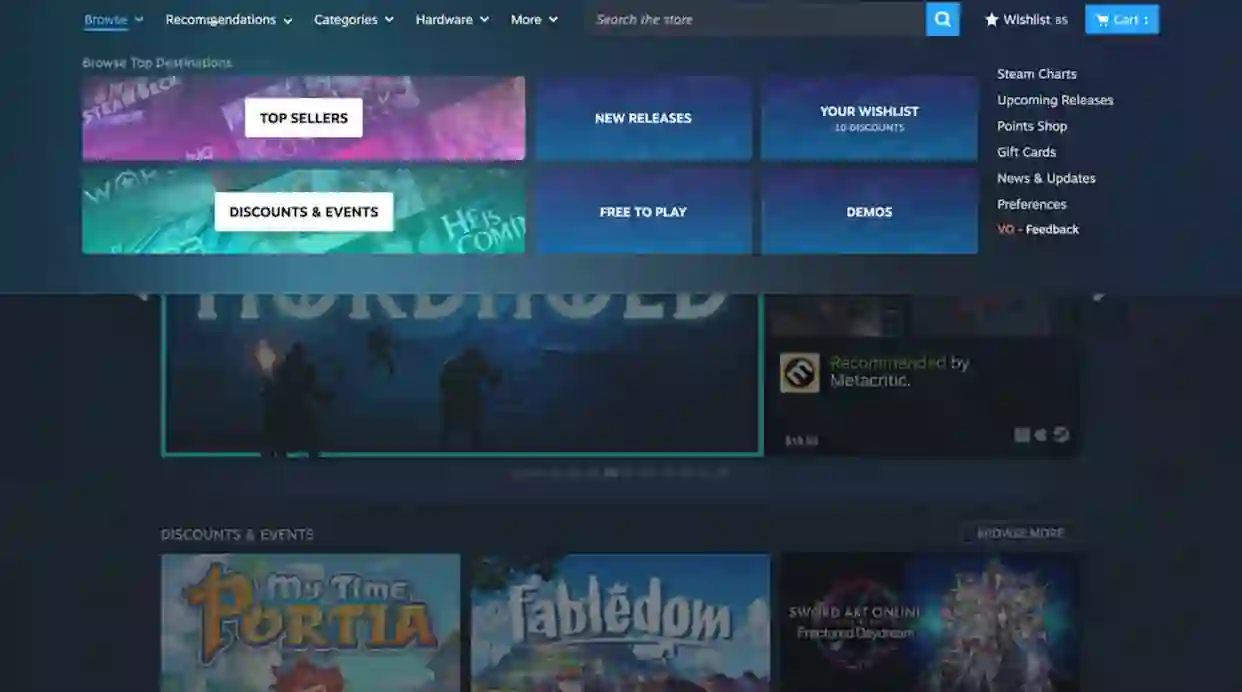
Valve’s Steam platform, the dominant digital storefront and service for PC gaming, experienced a significant partial outage on December 24, disrupting access for millions of users during a peak holiday period. The issues began around 1:00 PM Eastern Time, affecting core components including the Steam Store, the Community features, and critical Web APIs that many third-party services rely on. While Valve did not immediately issue a public statement, the widespread nature of the disruption was quickly cataloged by independent monitoring services like SteamDB and DownDetector, the latter of which recorded a spike of over 6,000 user reports concurrent with the outage’s onset. The failure also extended to Valve’s own portfolio of live-service games, impairing online functionality for major titles such as Counter-Strike 2, Dota 2, and Team Fortress 2.
Scope and Impact of the Disruption
The outage presented a multi-faceted challenge for users attempting to access Steam’s ecosystem. The primary storefront became inaccessible, preventing game purchases, library management, and new downloads. Community features, including forums and friend lists, were also offline, severing social connectivity for players. Crucially, the disruption of Steam’s Web APIs had a cascading effect, causing errors in the official Steam mobile apps and impairing the online infrastructure of Valve’s first-party games. This meant players were unable to join matches, access competitive rankings, or utilize other network-dependent features, highlighting the platform’s deep integration between its store, social layer, and gaming services. The timing, just before Christmas, exacerbated the impact for users hoping to utilize holiday breaks for gaming or to redeem new gifts.
Recovery and Service Restoration
A gradual recovery process commenced later in the afternoon, with core platform functionality beginning to return around 4:00 PM ET. By 6:00 PM ET, the main Steam client for PC, Mac, and mobile devices was broadly operational for most users, though intermittent errors and sluggish performance persisted in certain areas. However, full restoration was not instantaneous. According to status trackers, many of Valve’s online game services remained degraded or only partially functional for several additional hours. A complete resolution appears to have been achieved by the early morning hours of December 25, with all monitored services—including the Store, Community, Web API, and game backends—reporting normal operation. This timeline indicates a resolution window of approximately fifteen hours from initial failure to full restoration.
Context of Previous Steam Outages
This incident is not an isolated event in Steam’s operational history, though its duration and scope were notable. The platform experienced a major outage in October of the same year, where store and online services were unavailable for about an hour. A more unique disruption occurred in September during the highly anticipated launch of Hollow Knight: Silksong. The enormous, concurrent surge of users attempting to purchase and download the game overwhelmed not only Steam but also the Xbox and Nintendo eShop storefronts, demonstrating how viral demand for a single title can have a network-wide impact. These recurring incidents underscore the immense scale and complexity of maintaining a global digital distribution and gaming service that serves tens of millions of concurrent users.
Implications for Digital Gaming Dependence
The December 24 outage serves as a stark reminder of the inherent vulnerabilities in an increasingly online-dependent gaming landscape. For a platform like Steam, which functions as a DRM layer, social network, and storefront simultaneously, even a partial failure can lock users out of their purchased libraries and disrupt planned online activities. The incident highlights the challenges of ensuring robustness and redundancy for systems of such enormous scale. It also reinforces the value of independent monitoring services like SteamDB, which provide transparent, real-time status information during official communications silences. For gamers, such events emphasize the importance of having offline-enabled single-player titles available, even as live-service and always-online experiences continue to dominate the market.