
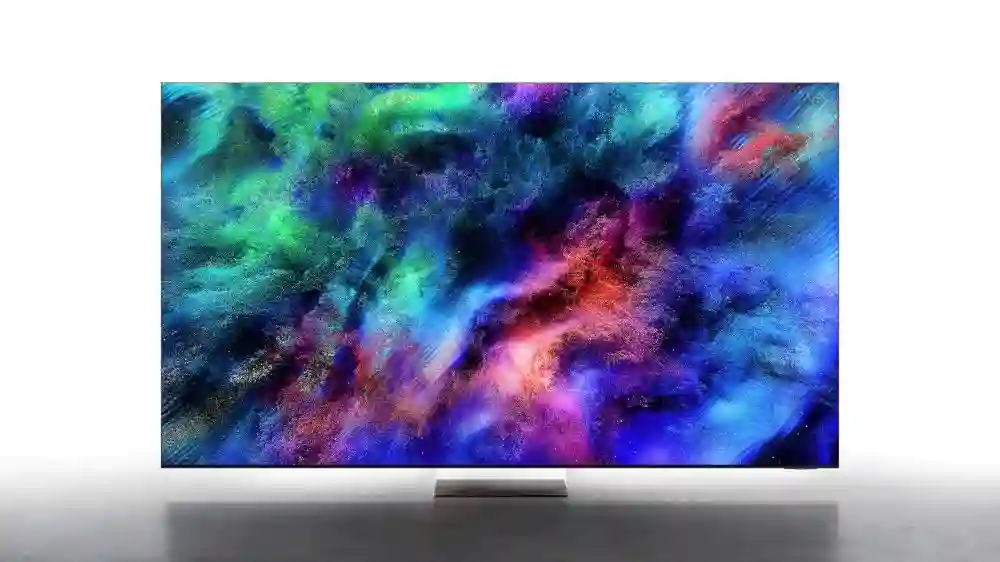
Samsung is dramatically expanding its premium Micro RGB TV lineup at CES 2026, introducing sizes from 55 to 115 inches that promise to redefine high-end home entertainment. Building on last year’s stunning 115-inch debut that delivered vivid colors and broadcast-quality accuracy at a $30,000 price point, the new series introduces Micro RGB Precision Color 100 technology—VDE-certified to cover 100 percent of the demanding BT.2020 HDR standard. This mainstream push positions Samsung as the leader in next-generation LED display innovation, challenging OLED and traditional Mini LED dominance with superior brightness and color fidelity.
Micro RGB Technology Explained
Micro RGB represents a pivotal evolution in LED display architecture, distinct from conventional Mini LED backlighting. Rather than white LEDs with color filters, Micro RGB employs microscopic red, green, and blue emitters at the sub-pixel level. This direct emission eliminates light leakage and color fringing, achieving pixel-precise color reproduction unattainable by filtered systems.
Smaller dimming zones—potentially thousands versus hundreds in Mini LED—enable granular contrast control. While individual pixel shutoff remains OLED/Micro LED territory, Micro RGB’s hybrid approach delivers infinite blacks approaching self-emissive displays while surpassing them in peak brightness. Samsung targets 4,000+ nits, enabling HDR mastering visibility even in floodlit showrooms.
The Precision Color 100 certification validates reference-grade accuracy, matching professional broadcast monitors used for Hollywood color grading. BT.2020 coverage exceeds DCI-P3 standards dominating consumer TVs, future-proofing content for 8K/HDR2 evolutions.
Expanded Size Range and AI Enhancements
Samsung’s 2026 lineup spans 55-, 65-, 75-, 85-, 100-, and 115-inch models, democratizing premium technology beyond cavernous screening rooms. Smaller footprints suit luxury apartments and dedicated media spaces alike, with uniform panel quality across scales.
Micro RGB AI Engine Pro employs machine learning for frame-by-frame optimization. Real-time motion vector analysis eliminates judder during 24p cinema playback; object-based upscaling preserves detail in low-res sources. Color enhancement algorithms adaptively map source gamuts to display capabilities without clipping.
Glare-free matte coating scatters ambient light, maintaining contrast during daytime viewing—a breakthrough for bright-room performance. Audio upgrades include Dolby Atmos object rendering and Adaptive Sound Pro, which analyzes content metadata to virtualize height channels from stereo pairs.
Competitive Landscape
| Feature | Samsung Micro RGB | LG Micro RGB | OLED (Sony/LG) | Mini LED (Samsung QLED) |
|---|---|---|---|---|
| Size Range | 55-115″ | 75-100″ | 42-97″ | 55-98″ |
| BT.2020 Coverage | 100% (certified) | TBD | ~80% | ~95% |
| Peak Brightness | 4,000+ nits | TBD | 1,500 nits | 3,000 nits |
| Dimming Zones | Thousands | TBD | Infinite | Hundreds |
Samsung leads size diversity and certification; LG enters selectively.
Pricing and Market Positioning
Last year’s 115-inch premiered at $30,000, establishing luxury benchmark. Smaller models likely cascade downward—85-inch projections cluster around $15,000-$20,000, 65-inch potentially sub-$10,000. Yield improvements and scale production temper costs versus Micro LED’s $100,000+ reality.
Positioning targets reference enthusiasts, custom installers, and corporate boardrooms alongside affluent consumers. Samsung pairs displays with premium soundbars and motorized lifts, curating theater ecosystems.
Technical Advantages Over Rivals
Brightness supremacy crushes OLED in high-ambient environments; no burn-in risk enables 24/7 digital signage viability. Mini LED’s haloing vanishes through precise RGB control. Gaming benefits from 240Hz panels, VRR across HDMI 2.1b, and near-zero input lag.
Future-proofing includes 8K upscaling via AI neural networks and Matter/Thread smart home integration. Samsung’s Tizen OS evolves with ambient computing—always-on recipe displays, fitness tracking, and contextual AI assistance.
Industry Implications
Samsung’s aggressive expansion accelerates display technology convergence. Micro RGB bridges Mini LED scalability with self-emissive purity, pressuring OLED panel makers toward brightness wars. LG’s entry validates viability, potentially sparking price competition.
Consumer benefits emerge through trickle-down. As flagship tech matures, midrange QLEDs adopt hybrid RGB zones. Broadcast standards evolve toward BT.2020 mandates, positioning early adopters ahead.
CES 2026 Expectations
Expect live demonstrations contrasting Micro RGB against OLED/Mini LED peers under varied lighting. Samsung showcases sports (crisp motion), cinema (color volume), and gaming (HDR response). Custom calibration suites and professional endorsements underscore reference aspirations.
Integration reveals Wall MicroLED-level uniformity across tiled configurations. Audio partnerships with Harman Kardon deliver room-filling object-based soundscapes.
Samsung’s Micro RGB assault cements display leadership, blending engineering excellence with market timing. CES 2026 positions the Korean giant as premium television’s undisputed innovator, ready to capture imaginations—and wallets—of the world’s most discerning viewers.