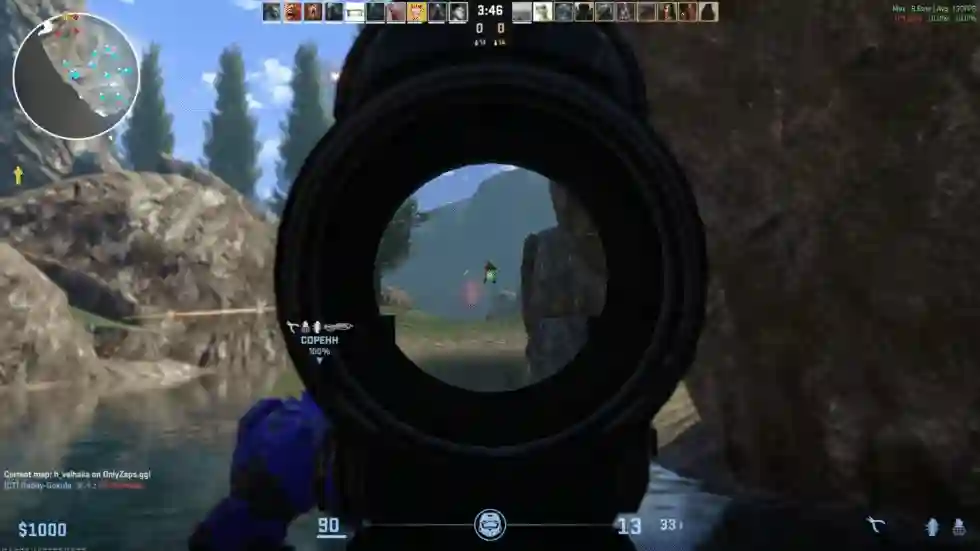
Microsoft has issued a Digital Millennium Copyright Act takedown notice against Project Misriah, an impressive mod that recreated the multiplayer experience of Halo 3 within Valve’s Counter-Strike 2. Released just last month, the mod quickly gained a dedicated following among Halo enthusiasts and modding communities for its faithful recreation of maps, assets, sound effects, and even movement mechanics from the classic Bungie shooter. The project represented a technical marvel, demonstrating how far the Source 2 engine could stretch to emulate the fast-paced, arena-style combat that defined Halo 3’s online battles, but its direct use of Microsoft-owned content led to its swift removal from the Steam Workshop.
Project Misriah emerged as a passion project led by modder Froddoyo, who unveiled it on November 16 with a trailer showcasing recreated Halo maps like those from the legendary multiplayer playlist. Players could dive into familiar environments with Counter-Strike 2’s precise gunplay overlaid by Halo’s characteristic sounds, character models, and fluid movement systems, including sprinting and jumping mechanics that echoed the original game’s feel. The mod’s ambition extended beyond simple asset swaps; it aimed to capture the essence of Halo 3’s multiplayer chaos, complete with objective-based modes and team dynamics that felt authentically Spartan. In mere weeks, it amassed praise for bridging two iconic franchises, proving modders’ ingenuity in blending disparate game engines and design philosophies.
The takedown came without warning last Wednesday, when Froddoyo shared the DMCA notice from Microsoft, which specifically cited the unauthorized use of Halo game content outside official channels. While the modder expressed disappointment, noting that players should thank Microsoft for ending the fun, they also acknowledged the project’s conclusion in comments on the original trailer. Froddoyo confirmed no further development or re-uploads would occur, but highlighted the valuable skills gained, hinting at future original projects that could channel the same creativity without infringing on licensed IP. This closure marks a bittersweet end to what many saw as a loving tribute, underscoring the fine line modders walk between homage and infringement.
Microsoft’s enforcement reflects a consistent stance on protecting its Halo intellectual property, particularly as the franchise remains a cornerstone of Xbox’s gaming portfolio. The company continues to monetize Halo through ongoing sales of Halo: The Master Chief Collection, anniversary remakes, and recent announcements like Halo: Campaign Evolved, a modernized single-player recreation of the original game’s campaign. Unlike more permissive stances toward transformative fan projects that adhere to usage guidelines, Microsoft draws a hard line against direct ports or emulations that replicate core gameplay and assets. This approach ensures revenue streams from official releases while discouraging content that could dilute the brand or compete with paid experiences.
The incident echoes broader patterns in gaming, where Valve routinely complies with DMCA requests across its Steam Workshop ecosystem. Just last year, Garry’s Mod developers removed two decades of Nintendo-related content following takedown demands, with creator Garry Newman publicly agreeing it was fair play for IP holders to dictate usage. Microsoft’s history includes similar actions, such as forcing the shutdown of a Halo Online mod that unlocked region-locked content and prior interventions against GitHub repositories hosting unauthorized Halo modifications. These cases illustrate how even non-commercial fan efforts can clash with corporate policies designed to safeguard marketable franchises.
Balancing Fan Creativity and IP Protection
Fan projects like Project Misriah thrive on the passion of communities eager to revisit beloved games in fresh contexts, yet they often collide with the realities of copyright law. Microsoft’s Game Content Usage Rules permit certain non-commercial, transformative works that clearly credit originals and avoid direct competition, as seen with approved projects like Installation 01. Direct recreations, however, risk being viewed as substitutes for official products, prompting swift legal action to preserve exclusivity. This tension fuels vibrant modding scenes while reminding creators that true innovation often requires building anew rather than borrowing wholesale.
Legacy of Halo Modding
Halo’s enduring appeal has inspired countless mods over the years, from custom campaigns to engine swaps, but official enforcement has shaped the landscape. While early Bungie-era tolerance allowed experimentation, 343 Industries and Microsoft have tightened controls amid growing esports and remaster markets. Project Misriah’s brief success demonstrated Source 2’s potential for arena shooters, potentially influencing future original mods that evoke Halo’s spirit without its assets. Modders may pivot to procedural maps or custom assets, preserving the multiplayer magic through ingenuity rather than imitation.
Impact on Counter-Strike 2 Modding
Counter-Strike 2’s Workshop remains a hotbed for innovation, with Source 2 enabling stunning visual and mechanical recreations. The takedown serves as a cautionary tale, encouraging modders to prioritize originality to avoid IP pitfalls. Valve’s hands-off approach to hosting contrasts with proactive rights enforcement by publishers, creating a ecosystem where ambitious crossovers shine briefly before potential removal. Communities may rally around archived footage or private servers, but official channels now bear the full weight of delivering Halo experiences.