
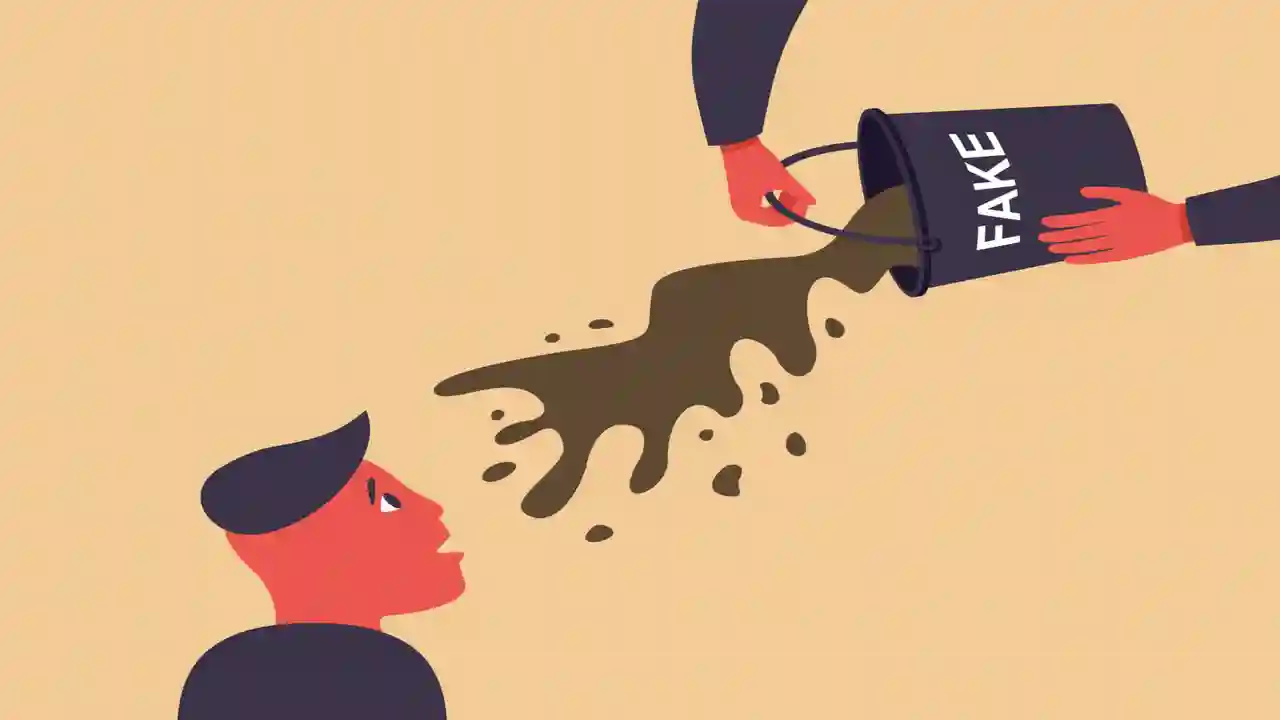
Merriam-Webster has declared “slop” as its 2025 Word of the Year, a term that has exploded in popularity to describe the deluge of low-quality, AI-generated content saturating the internet, social media, and everyday digital interactions. This recognition underscores a cultural shift where users increasingly call out the mediocre output from generative AI models, from bizarre advertising images and fake news articles to hastily produced videos and books that lack human creativity or accuracy. The dictionary’s new definition captures it precisely as digital content churned out in bulk by artificial intelligence, often indistinguishable from genuine work but riddled with errors, hallucinations, or uncanny artificiality. As AI tools become ubiquitous, “slop” has emerged as the perfect shorthand for the frustration of navigating a web cluttered with machine-made mediocrity.
The word’s meteoric rise mirrors growing public awareness of AI’s double-edged sword. What began as niche slang in online communities has spiked dramatically in dictionary lookups, reflecting encounters with everything from “hiring slop” in job applications to “workslop” wasting office hours with pointless reports. Merriam-Webster editors noted how the term encapsulates both fascination and ridicule toward AI’s transformative yet flawed presence. Unlike corporate buzzwords hyping superintelligence or existential risks, “slop” delivers a mocking dismissal, reminding developers that flooding the world with subpar content undermines claims of revolutionary capability. Independent researcher Simon Willison helped popularize it by comparing AI slop to the original spam emails, emphasizing mindless, unrequested generation pushed onto unsuspecting audiences.
Historically, “slop” evolved from 18th-century descriptions of soft mud to 19th-century pig food, settling into modern slang for worthless rubbish. This lineage fits perfectly with AI’s output: voluminous, unappetizing, and fit only for the digital trash heap. Dictionaries have tracked AI’s linguistic footprint before, with Cambridge crowning “hallucinate” in 2023 for chatbots’ plausible fabrications and Oxford selecting “rage bait” this year for outrage-farming posts. “Slop” stands out for its visceral disdain, evoking sludgy, indigestible messes that no one asked for. In 2025, as AI videos warp reality, propaganda proliferates, and search results drown in synthetic summaries, the word captures a collective exhaustion with quantity over quality.
Not all AI content merits the label, adding nuance to the debate. Critics like former Evernote CEO Phil Libin distinguish slop as lazy, effort-saving mediocrity from positive augmentations that enhance human work beyond solo capabilities. Willison, an AI advocate for coding aids, agrees: promotional material isn’t inherently spam, and thoughtful AI use isn’t slop. The pejorative sticks to bulk-generated filler thrust upon users, like endless social media reels or ghostwritten articles devoid of insight. This discernment encourages responsible adoption, separating tools that amplify creativity from those automating drudgery into digital waste.
The phenomenon extends across sectors, eroding trust in online information. Resumes bloated with AI fluff fool hiring managers, news feeds mix real reporting with fabricated stories, and e-bookshelves sag under ghostwritten novels. Ars coverage has highlighted “deep doubt” eras where fakes invade fields from journalism to recruitment, prompting watermarking efforts and detection tools. Yet slop persists, fueled by cheap generation and engagement algorithms rewarding volume. Merriam-Webster’s choice signals a tipping point: users demand authenticity amid the flood, pushing platforms toward verification and creators toward hybrid workflows blending AI assistance with human oversight.
Evolution of AI-Related Dictionary Words
| Year | Dictionary | Word | AI Connection |
|---|---|---|---|
| 2023 | Cambridge | Hallucinate | AI fabricating false info |
| 2025 | Oxford | Rage Bait | Provocative content for clicks |
| 2025 | Cambridge | Parasocial | One-sided fan relationships |
| 2025 | Merriam-Webster | Slop | Low-quality AI content flood |
Spotting and Avoiding AI Slop
Consumers and creators can navigate this landscape with deliberate habits that prioritize quality over quantity:
– Scrutinize unnatural phrasing, repetitive structures, or factual inconsistencies signaling machine generation.
– Cross-verify claims against primary sources rather than relying on aggregated summaries.
– Favor human-curated platforms or verified creators over algorithm-driven feeds.
– Use AI as a starting point for editing, not final output, to infuse genuine insight.
– Support detection tools and policies mandating disclosure of AI involvement.