
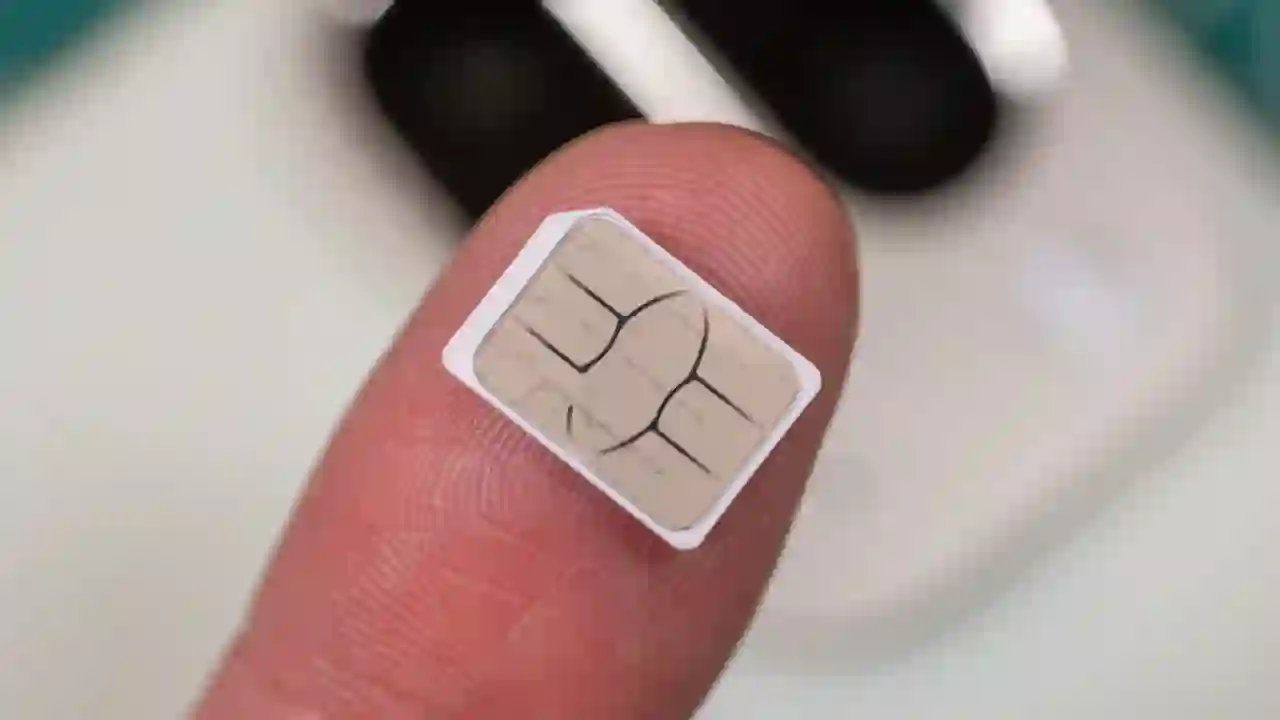
The evolution of the smartphone is a story of continuous miniaturization and integration, with each generation shedding ports and slots in pursuit of sleeker designs and internal space for more advanced components. The latest casualty in this relentless march appears to be the physical SIM card slot, a fixture in mobile devices for decades. Google’s decision to make its Pixel 10 series eSIM-only in the United States follows Apple’s earlier lead, signaling a definitive industry shift away from the removable, plastic card. This transition to embedded SIM technology promises benefits for manufacturers, such as reclaiming valuable internal real estate and simplifying device construction. However, for the end user, the practical experience of adopting eSIM can be fraught with unexpected frustrations and vulnerabilities that reveal the technology is not yet a seamless successor. The promise of a more secure, flexible future is tempered by the reality of glitchy transfers, archaic carrier security practices, and the profound risk of being locked out of one’s own digital identity.
The Technical Promise and Manufacturer Incentive
Embedded SIM (eSIM) technology represents a logical progression from physical cards. An eSIM is a tiny, programmable chip permanently soldered to a device’s motherboard. It can store multiple carrier profiles and be reprogrammed over-the-air, eliminating the need for a plastic card and its associated tray mechanism. For manufacturers, the appeal is clear: removing the SIM tray and slot frees up internal space that can be allocated to a larger battery, enhanced cooling systems, or other components. Apple has demonstrated this trade-off, with eSIM-only iPhone models featuring marginally larger batteries than their SIM slot-equipped counterparts. Beyond space savings, eSIMs offer theoretical benefits for users. They make stealing a SIM card physically impossible, simplify switching between carriers or adding a temporary data plan while traveling, and allow for dual-SIM functionality in a more integrated way. The industry’s push is framed as an inevitable step forward, yet the on-the-ground user experience often highlights a significant gap between this potential and current reality.
The Fragile User Experience and Carrier Failings
While physical SIM cards are robust and idiot-proof—a simple piece of plastic that works or doesn’t—eSIMs introduce a layer of software dependency and carrier interaction that is prone to failure. Transferring an eSIM profile from one device to another, or reactivating it after a reset, relies on a fragile chain of software handshakes between the phone’s operating system and the carrier’s provisioning systems. When this process works, it’s convenient. When it fails, as it does with unsettling frequency, the user is plunged into a support nightmare. The core of the problem lies with mobile carriers, whose account security systems are paradoxically built around the very thing that can fail: the phone number itself. To authenticate an account change or push a new eSIM, carriers almost universally send a one-time passcode via SMS to the line in question. If the eSIM is corrupted or the phone is inaccessible, this creates a perfect lockout scenario. The user cannot receive the SMS needed to prove ownership, leaving them with no recourse but to visit a physical store with identification—an absurd requirement for managing an entirely digital credential. This fundamental design flaw turns what should be a simple digital process into a time-consuming logistical ordeal.
The High Stakes of Digital Identity Lockout
The inconvenience of a failed eSIM transfer extends far beyond mere loss of cellular service. In the modern digital ecosystem, a phone number has become a primary key to personal identity. It is the default second factor for two-factor authentication (2FA) with banks, email providers, social media platforms, and employers. It is the recovery method for countless online accounts and the anchor for messaging apps like WhatsApp and Signal. Therefore, losing control of your phone number due to an eSIM glitch is not an isolated connectivity issue; it is a catastrophic digital lockout that can sever access to critical financial, professional, and personal services. This centralization of risk on a single, software-based identifier that can vanish in an instant represents a significant step backward in user agency and resilience compared to the physical SIM, a tangible object under the user’s direct control that is immune to remote corruption.
A Path Forward Requires Better Security and Standards
The transition to eSIM is inevitable, but its current implementation is clearly lacking. For it to become a genuine improvement, two major changes are necessary. First, carriers must abandon SMS-based authentication for account recovery and eSIM management. They need to implement robust, alternative methods such as app-based authenticators, hardware security keys, or verified email fallbacks that do not depend on the status of the line being managed. Google’s own Fi service demonstrates this is possible, using the security of the Google account itself to authorize eSIM downloads. Second, there needs to be stronger industry-wide standardization and reliability testing for the eSIM provisioning process itself. The handoff between device OS and carrier backend should be as reliable as a text message or phone call. Until carriers address these fundamental security and reliability flaws, the eSIM transition will remain a source of anxiety and frustration. Trading the proven, user-controlled simplicity of a physical card for a few percent more battery capacity or a slightly thinner bezel is a poor bargain when it comes with the very real risk of losing the key to one’s digital life. The technology must mature to match its ambition, prioritizing user security and seamless reliability over mere manufacturing convenience.