
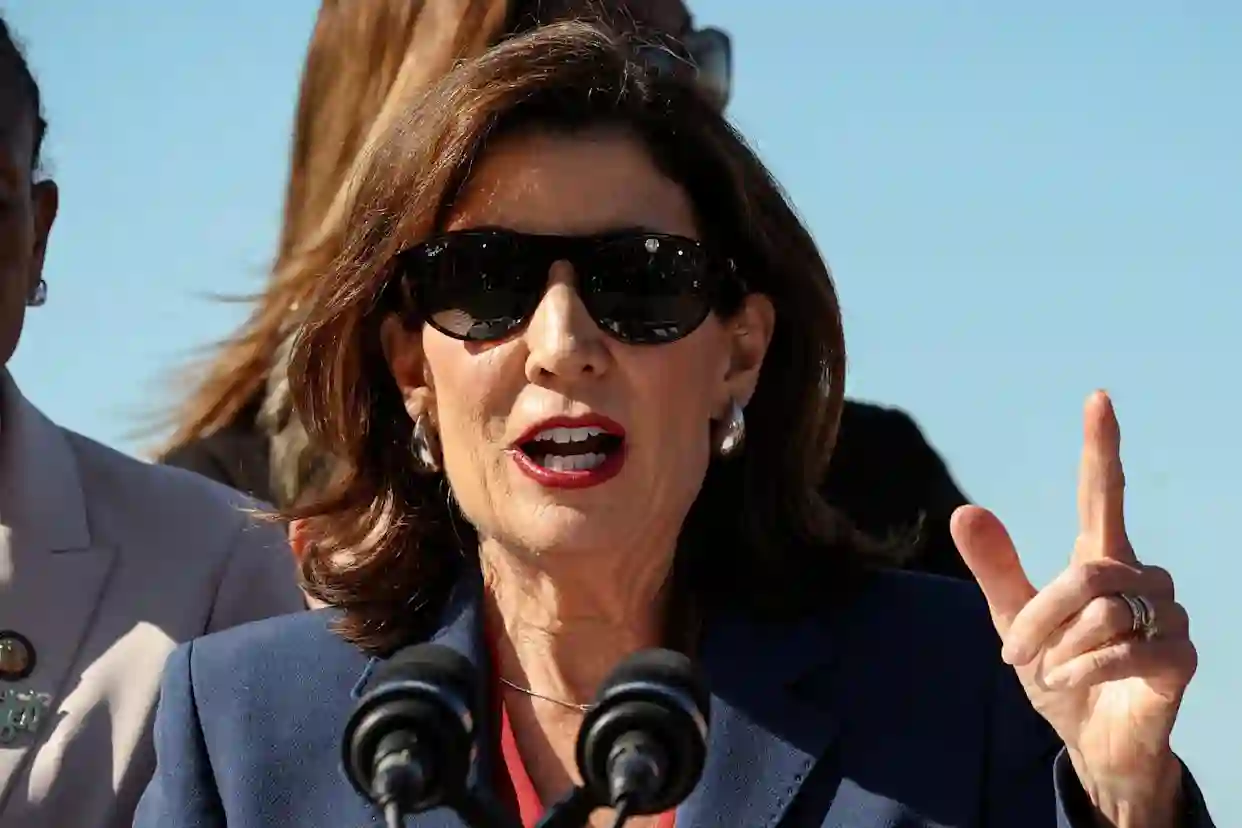
New York has taken a major step toward regulating artificial intelligence by introducing legislation that prioritizes safety, transparency, and accountability among large AI developers. Governor Kathy Hochul officially signed the RAISE Act into law, making New York one of the first states in the U.S. to establish concrete rules for how frontier AI models must be monitored and reported. The new framework aims to ensure that advanced AI systems are developed responsibly while addressing public concerns about misuse and the potential risks associated with powerful algorithms.
What the RAISE Act Covers
The Responsible Artificial Intelligence Safety and Evaluation (RAISE) Act establishes new requirements for companies developing large-scale AI models. Under the law, developers must disclose detailed information about their safety measures and internal testing processes. Additionally, they are now required to report any AI-related safety incidents within 72 hours of discovery. This rapid reporting window is designed to help regulators quickly assess potential harms, such as algorithmic errors, biased outputs, or system vulnerabilities that could impact consumers or critical infrastructure.
By insisting on early and transparent communication, New York’s government is signaling that it expects tech companies to take a proactive role in safeguarding the public interest. Similar to cybersecurity breach notifications, these mandatory disclosures could help create a culture of accountability in an industry known for operating behind closed doors.
Changes from the Original Bill
When the bill first passed in June, it contained tougher financial penalties meant to deter violations. The initial proposal included fines of up to $10 million for a first offense and up to $30 million for repeat violations. However, the final version that reached Governor Hochul’s desk reduced those penalties significantly. The new law sets fines at a maximum of $1 million for an initial violation and up to $3 million for subsequent ones.
While this reduction lowers the immediate financial impact on major tech corporations, it reflects a compromise between industry lobbyists and policymakers who sought practical, enforceable standards. Critics argue the smaller fines may not be enough to pressure large AI developers to comply meaningfully, while supporters note that the law’s emphasis on transparency and public accountability could still be highly effective.
Creation of a New Oversight Office
One of the landmark features of the RAISE Act is the establishment of a new AI oversight office within the New York Department of Financial Services. This office will serve as the primary regulator for AI safety and transparency in the state. Its responsibilities include reviewing disclosures from AI developers, investigating reported incidents, and releasing annual public reports that summarize compliance trends and emerging risks.
By positioning this office within a department that already handles financial and regulatory oversight, the state is leveraging existing expertise in risk management. The move draws a clear connection between AI development and public welfare—an acknowledgment that advanced algorithms can have significant economic and ethical consequences.
Building on Trendsetting Efforts
New York is not alone in this regulatory shift. California approved a similar AI safety law earlier this year, and now New York’s framework adds momentum to the growing national conversation around responsible AI development. Together, these laws signal that states are no longer waiting for federal action to set safety standards for the rapidly evolving AI industry.
However, New York’s move comes at a particularly contentious time. The federal government, under President Trump, has been advocating for minimal state interference in AI regulation. A recent executive order from the White House called for a “minimally burdensome national standard,” reflecting concerns that state laws could create a patchwork of conflicting requirements across jurisdictions. Despite this, states like New York are moving forward independently, emphasizing the urgency of addressing AI risks before they escalate.
Other AI-Related Laws in New York
Governor Hochul’s signing of the RAISE Act follows two other AI-related bills she approved earlier in December. Those measures target the entertainment and advertising industries, requiring transparency when AI-generated performers or voice models are used in creative work. Together, these laws form part of a broader effort to make AI applications more traceable and to protect workers, artists, and consumers from deceptive or unauthorized use of synthetic media.
This growing body of legislation showcases New York’s ambition to become a national leader in shaping how AI is deployed and monitored. It also demonstrates that lawmakers are taking varied approaches depending on context, regulating both industrial-scale AI systems and creative uses of generative tools.
Balancing Innovation and Accountability
The RAISE Act represents a careful attempt to balance technological progress with public accountability. On one hand, it encourages innovation by providing clear expectations for developers, fostering a level playing field. On the other, it enforces transparency to prevent potential misuse or unchecked growth of potentially hazardous AI models. This balance reflects New York’s understanding that while AI can drive transformative benefits, it also carries serious ethical, security, and societal challenges.
As the AI landscape continues to evolve, laws like the RAISE Act could become critical blueprints for federal policy in the future. They signal that accountability frameworks must grow at the same pace as the technology itself — ensuring not just efficiency and profit, but safety, fairness, and trust in the age of artificial intelligence.