Foldable phones have transformed from experimental curiosities into remarkably refined devices over the past several years, addressing nearly every practical concern that once held them back from mainstream adoption. What began as bulky prototypes with fragile screens and questionable durability has evolved into sophisticated gadgets boasting water resistance, slim profiles, and expansive displays that rival traditional slab phones. Manufacturers like Samsung, Google, and others have iteratively solved issues around hinges, protection, and usability, leaving just one significant hurdle remaining: their persistently high price tags.
Evolution from Fragile Prototypes
The earliest foldables, including Samsung’s original Galaxy Fold, faced skepticism due to their thickness, weight, and vulnerability to dust infiltrating the hinge. Early models featured small outer screens, noticeable screen creases, and no water resistance, making them feel more like proof-of-concept devices than daily drivers. Review units often failed spectacularly under basic use, highlighting the nascent technology’s limitations. Yet these pioneering efforts demonstrated the core appeal: a pocketable device that unfolds into a productivity powerhouse capable of true multitasking on a tablet-sized canvas.
Key Advancements in Durability and Design
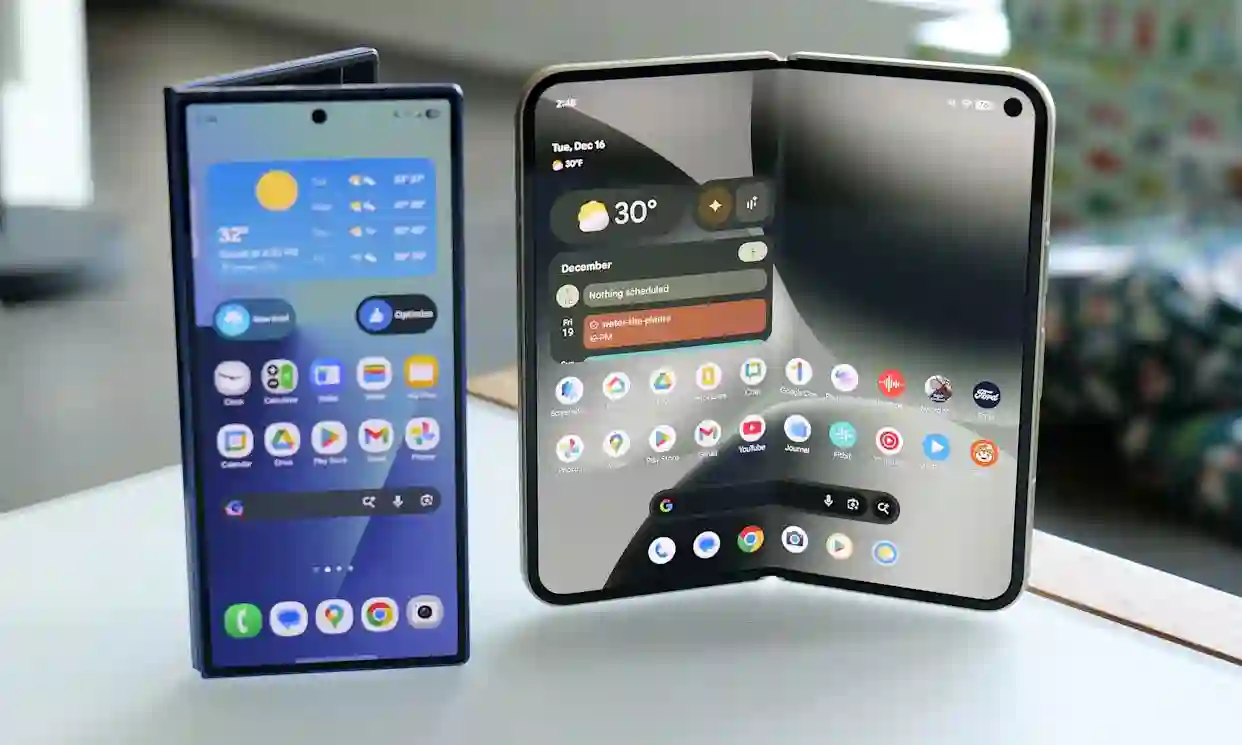
Samsung’s Galaxy Z Fold series marked steady progress, introducing water resistance with the Z Fold 3 alongside S Pen compatibility for enhanced productivity. Later iterations like the Z Fold 5 eliminated the unsightly hinge gap, creating a seamless closure that improved aesthetics and protection. Google’s Pixel 10 Pro Fold took durability further by achieving full IP68 dust and water resistance, a first for foldables with complex moving parts. This certification means users no longer fear spills, rain, or pocket lint compromising the delicate hinge mechanism.
The most impressive leap came with the Galaxy Z Fold 7, which matches conventional flagships in size and weight despite housing an 8-inch inner display. At 7.58 ounces and 8.9mm thick when folded, it weighs slightly less than Samsung’s own S25 Ultra, eliminating the “brick-like” bulk that plagued earlier generations. Carrying a foldable now feels as natural as any premium smartphone, with balanced ergonomics that support comfortable one-handed use and effortless pocket storage.
Screen Crease: More Myth Than Problem
Concerns about the visible screen crease persist, but this feature represents an inherent characteristic of current folding technology rather than a flaw. When viewed head-on—the typical usage angle—the crease becomes nearly imperceptible, blending into the display’s natural texture. Users rarely interact precisely with the screen’s dead center anyway, especially on larger panels used for split-screen apps or media consumption. Demanding crease elimination ignores the engineering trade-offs, much like criticizing a convertible for minor panel gaps required by its retractable roof.
Modern hinge designs have minimized crease depth while maintaining structural integrity through thousands of folds. Anti-reflective coatings and higher refresh rates further distract from any subtle imperfections, delivering smooth 120Hz scrolling and vibrant visuals. For most consumers, the transformative dual-screen experience far outweighs this cosmetic nuance.
Competition Driving Category Maturity
Increased rivalry from OnePlus, Oppo, Xiaomi, Huawei, and Google has accelerated improvements across the board. OnePlus’s Open approached affordability at $1,500 with trade-ins, while Chinese brands pushed boundaries in hinge smoothness and outer display usability. Software optimizations have matured too, with better app continuity, multitasking gestures, and fold-specific interfaces that leverage the form factor’s unique strengths. These collective advancements mean foldables now excel at tasks like document editing, video calls with shared screens, and immersive media consumption.
The Singular Remaining Challenge: Price
Despite these triumphs, affordability remains the final unsolved puzzle. Flagship foldables launch between $1,800 and $2,000, with Samsung’s Z Fold 7 commanding a $200 premium over earlier models. Even discounted “budget” options rarely dip below $1,200, pricing them firmly in enthusiast territory rather than mass-market appeal. OnePlus came closest to accessibility, but widespread rebates tied to trade-ins limit true bargains.
Sales data reflects growing acceptance, with Z Fold 7 shipments up 50% year-over-year and global foldable revenue hitting record highs in Q3 2025. Everyday sightings of foldables confirm expanding adoption among professionals, creators, and early adopters who value productivity gains. Millions more would likely join if prices aligned with conventional flagships around $1,000.
Future Outlook for Mainstream Adoption
Current trends suggest convergence is imminent. Economies of scale from rising shipments should pressure manufacturers toward sub-$1,500 pricing within 12-18 months. Combining Google’s dust-proofing with Samsung’s slab-like thinness into a single sub-$1,200 device would unlock explosive growth. Mid-range foldables from brands like Motorola and Nothing already tease this reality, featuring capable processors, bright displays, and respectable cameras at entry-level premiums.
As production matures and competition intensifies, foldables will transition from luxury novelties to viable alternatives for productivity-focused consumers. The technology has proven its worth in durability, usability, and form factor innovation—now it needs only price parity to achieve the ubiquity its capabilities deserve. For those already invested, today’s foldables deliver unparalleled versatility; for the masses, accessible pricing promises to make dual-screen computing the new normal.