PC enthusiasts face catastrophic market conditions as RAM prices explode threefold in weeks, with SSDs, CPUs, and GPUs poised for immediate hikes that threaten to make new builds financially impossible. AMD confirms sweeping price increases across Ryzen 9000/7000 series processors and Radeon graphics cards, driven by insatiable AI datacenter demand devouring high-speed memory supplies. Black Friday remnants offer fleeting relief before 2026 pricing apocalypse renders enthusiast computing elitist luxury.
AMD’s Comprehensive Price Surge Hits All Products
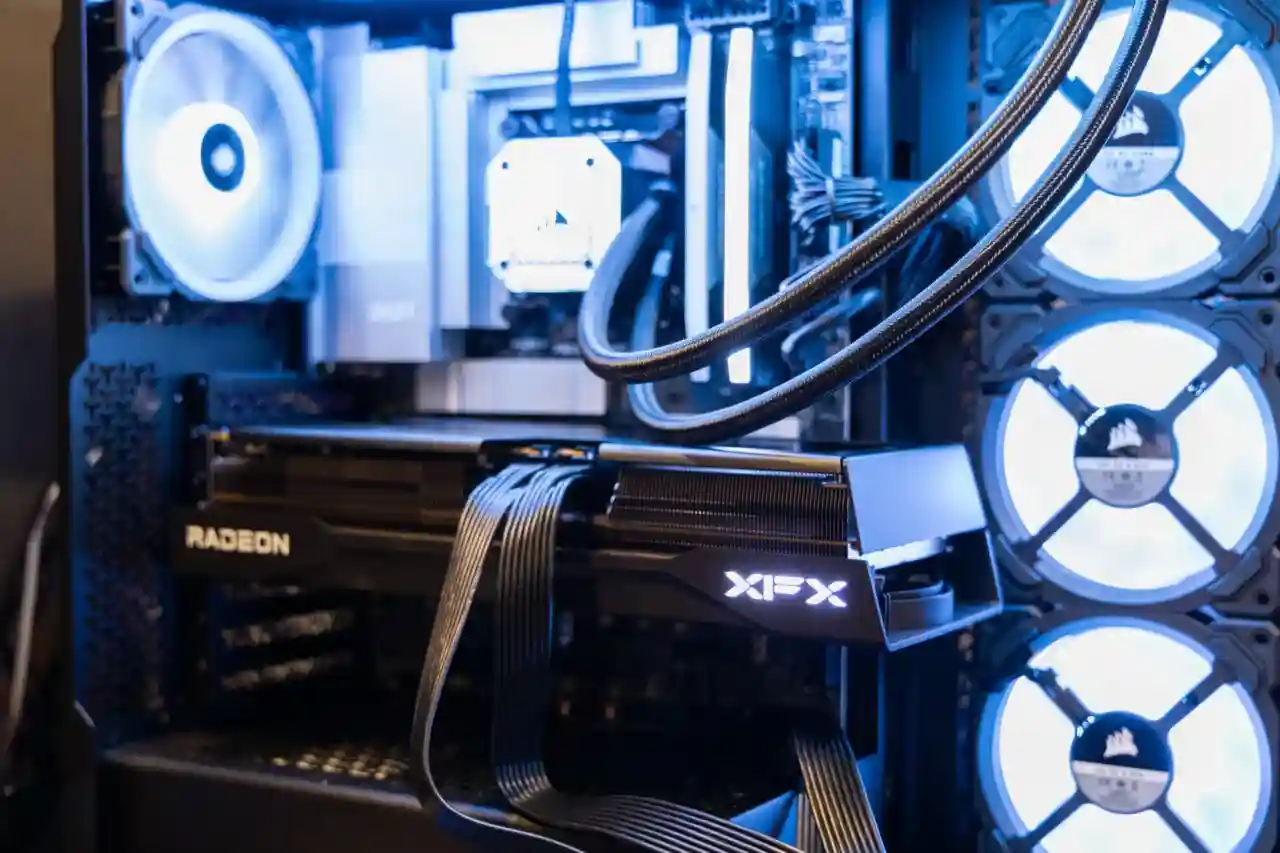
Industry leaks confirm AMD notified partners of immediate retail price adjustments targeting flagship Ryzen 7 9800X3D alongside legacy AM5 processors. GPU adjustments prove universal—$20 increases for 8GB VRAM models, $40 premiums on 16GB variants—compounding DDR5 shortages already tripling system memory costs. Radeon RX 9070/9070 XT launch scarcity foreshadows permanent elevation above $600/4K thresholds as board partners pass escalating component premiums.
Unlike Nvidia’s vertically integrated VRAM supply chain, AMD’s board partner ecosystem faces fragmented negotiations with memory manufacturers prioritizing AI hyperscalers. PowerColor customer service warnings urge pre-year-end purchases, signaling industry consensus on inevitable escalation absent supply normalization.
AI Datacenter Frenzy Devours Consumer Memory
Explosive proliferation of US AI facilities creates perfect storm diverting DRAM/NAND production from consumer channels. Semiconductor giants reallocate capacity toward datacenter HBM contracts yielding 10x margins over desktop DDR5, leaving PC builders competing with server farms for finite wafers. Samsung’s internal semiconductor division rations supply to its own Galaxy S26 smartphone team, forcing quarterly renegotiations rather than annual commitments.
This cannibalization extends beyond memory—GPU production bottlenecks emerge as AI training clusters absorb RDNA architectures originally earmarked for gaming. Datacenter economics dictate production priorities, transforming consumer hardware into collateral damage of trillion-parameter model training.
Steam Machine Caught in Pricing Crossfire
Valve’s Steam Machine hybrid console faces acute VRAM constraints with semi-custom AMD SoC mirroring mobile RX 7600 specifications. 8GB limitations spark performance concerns, though developer Pierre-Loup Griffais confirms video memory optimization mitigating modern title demands. Lower specifications ironically preserve pricing viability against full-desktop equivalents now exceeding console budgets.
PS5 price trajectory provides cautionary benchmark—five-year premium erosion failed to materialize amid component inflation. Steam Machine unsubsidized positioning risks $700+ territory, compelling strategic compromises favoring accessibility over specification arms race.
Strategic Survival Guide for PC Builders
Enthusiasts confront existential crossroads demanding tactical retreats from new builds toward used/refurbished markets and console alternatives. Pre-price-hike inventory scavenging yields temporary relief, though scalper premiums erode savings. Enterprise-grade server pulls offer discounted DDR5 alternatives for skilled technicians willing to navigate ECC compatibility hurdles.
Long-term diversification emerges imperative—ARM migration via Qualcomm Snapdragon X Elite promises memory efficiency absent x86 bloat. Handheld gaming renaissance through Steam Deck OLED and ROG Ally variants delivers 1080p performance rivaling desktop compromises at fraction of escalating costs.
Industry Reckoning and Consumer Backlash
DRAM crisis exposes structural fragility where consumer tolerance subsidizes AI speculation bubble. Regulatory intervention looms as antitrust scrutiny targets semiconductor consolidation enabling artificial scarcity. PC market contraction accelerates console dominance, potentially catalyzing Valve/Microsoft response through subsidized hardware ecosystems.
Innovation stagnation threatens as escalating barriers deter next-generation entrants, concentrating expertise among deep-pocket incumbents. Gamers confront future favoring cloud streaming and integrated handhelds over customizable towers, fundamentally reshaping enthusiast culture amid component Armageddon.