In a groundbreaking deal that blurs the line between Hollywood and artificial intelligence, **The Walt Disney Company** has announced a **$1 billion investment in OpenAI** alongside a three-year licensing agreement that grants official access to more than 200 characters from Disney’s vast catalog — including those from Marvel, Pixar, and Star Wars — for use within OpenAI’s **Sora video generator**. The agreement marks the first major content licensing partnership between a legacy studio and an AI company, signaling how closely entertainment and generative tech are beginning to merge.
Disney’s move follows months of industry scrutiny around AI’s influence on film, TV, and digital media. While many studios initially viewed generative models as a threat, this collaboration positions Disney as an early adopter seeking to harness AI rather than fight it outright.
Disney and OpenAI: From Critics to Collaborators
Just a few months ago, Disney and other major studios were openly critical of **Sora 2**, OpenAI’s AI video-generation platform that allowed users to create short clips using copyrighted materials unless IP holders opted out. Talent agencies and industry groups had denounced the tool as invasive and risky. The **Creative Artists Agency (CAA)** called Sora 2 a “significant risk to clients,” while the **Motion Picture Association (MPA)** demanded immediate restrictions.
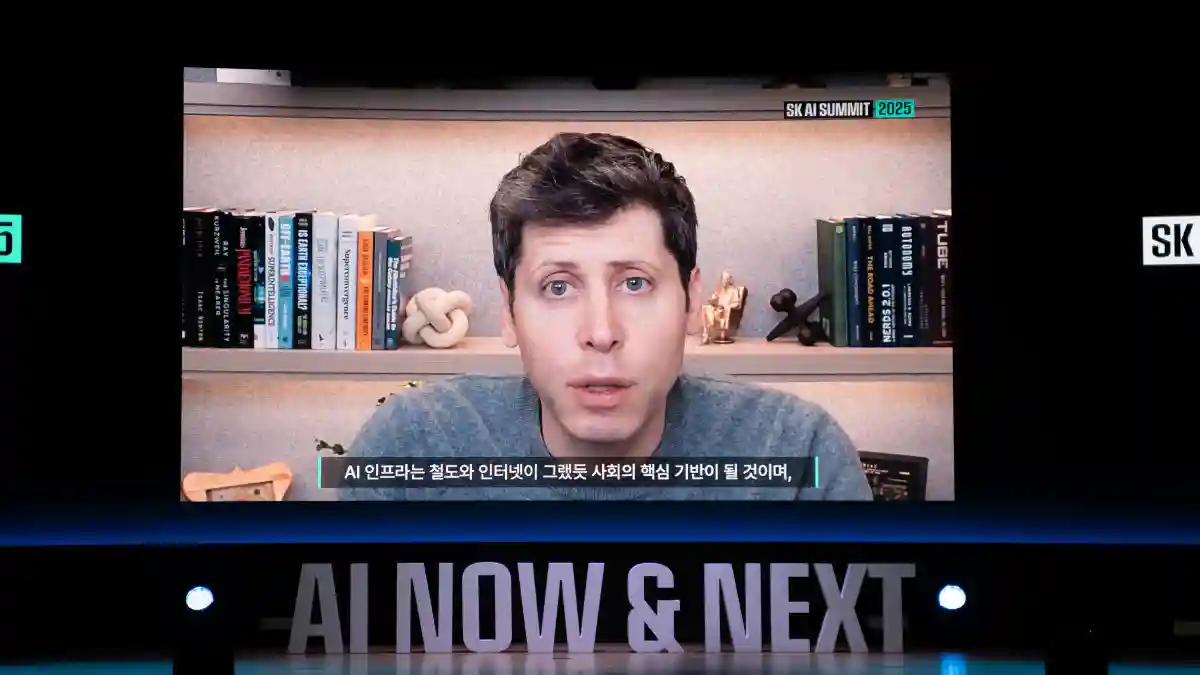
Facing pressure, OpenAI CEO **Sam Altman** pledged rapid policy reform, introducing stricter IP protections, revenue-sharing discussions, and giving rights holders granular control over how their content could be used. His negotiation groundwork set the stage for an unprecedented deal with Disney — turning a tense industry standoff into a carefully structured partnership.
A New Era for Disney Characters in AI Content
Under the new licensing agreement, users of **OpenAI’s Sora video generator** can officially create short clips featuring characters from some of Disney’s most iconic franchises, including:
– **Mickey Mouse, Simba, and Elsa**
– **Iron Man, Captain America, and Black Panther** from the Marvel universe
– **Darth Vader, Luke Skywalker, and Grogu (Baby Yoda)** from Star Wars
– Beloved figures from *Toy Story*, *Inside Out*, *Frozen*, *The Mandalorian*, and more
Beyond characters, Disney has also approved the use of **props, costumes, vehicles, and entire themed environments**, allowing fans to generate short, stylized content that stays within Disney’s official creative boundaries. However, the deal excludes any use of **real-world actor likenesses or vocal reproductions** to prevent unauthorized impersonation or misuse.
Integration Across OpenAI’s Ecosystem
The collaboration extends beyond Sora. **ChatGPT’s image generator** will now have licensed access to Disney’s same IP universe, with AI-generated imagery officially permitted and filtered through Disney’s moderation policies. This move not only legitimizes previously gray areas of fan-made AI content but also ensures creations adhere to **brand integrity and copyright law**.
Meanwhile, Disney plans to integrate **ChatGPT’s technology into its own internal ecosystem**. Employees across divisions — from Disney Animation to Marvel Studios — will have access to OpenAI-powered tools for content ideation, scheduling, and visual effects pre-production.
In addition, Disney will feature **curated fan-generated Sora content** on **Disney+** beginning in early 2026, likely in a dedicated “AI Creations Showcase” channel emphasizing creativity guided by official licensing rules.
Balancing Innovation and Creator Protections
Both companies were keen to emphasize ethics and responsibility in their partnership. In their statements, they pledged to **“maintain robust safeguards against illegal or unsafe content generation”** and to **“respect creators’ and talent rights in all uses of their work.”** Importantly, Disney clarified that none of the content will include **synthetic actor voices or facial reproductions** without explicit authorization.
CEO **Robert A. Iger** celebrated the collaboration as a reflection of Disney’s legacy of innovation:
> “The rapid advancement of artificial intelligence marks an important moment for our industry. Through this collaboration with OpenAI, we will thoughtfully and responsibly extend the reach of our storytelling while respecting and protecting creators and their works.”
OpenAI’s Altman echoed the sentiment, calling the partnership “a model for how AI and creative industries can work together to promote innovation that benefits society.”
From IP Defender to AI Leader
The partnership also highlights a fascinating irony. Disney — long known as one of the world’s most aggressive defenders of copyright law — is now effectively endorsing generative AI technology that many artists once accused of **copyright infringement**.
In contrast, Disney has simultaneously taken a hard stance against AI companies operating without permission. Just one day before announcing the OpenAI deal, the company reportedly **issued a cease-and-desist letter to Google**, accusing it of unauthorized use of Disney IP in its own AI models. Similar notices have been sent to **Meta, Character.AI**, and image-generation company **Midjourney**, which Disney and several studios are currently suing for “AI character theft.”
This dual-track strategy — partnering with compliant AI firms while pressuring unlicensed ones — suggests Disney may be shaping itself into the entertainment industry’s **arbiter of ethical AI adoption**.
What the Disney–OpenAI Deal Means for the Industry
| Stakeholder | Benefit or Concern |
|---|---|
| Disney | Monetizes legacy IP, maintains brand control, and experiments with fan-driven engagement. |
| OpenAI | Strengthens legitimacy in Hollywood and secures premium licensed data for future model training. |
| Artists and Writers | Mixed response — concerns about job displacement balanced by royalty and licensing transparency opportunities. |
| Fans and Creators | Gain access to officially sanctioned tools for creative projects using iconic characters and settings. |
Unanswered Questions and Future Possibilities
Despite the enthusiasm, many details remain unsettled. Disney and OpenAI have not disclosed the **exact licensing fees**, whether future AI models will be trained directly on Disney content, or if this agreement is finalized in its entirety — current statements note that it is still **“subject to negotiation of definitive agreements.”**
Nonetheless, industry analysts view this deal as a **turning point for generative media**, one that could redefine both IP licensing norms and the relationship between Hollywood and AI. Similar discussions are reportedly underway between OpenAI and other studios seeking tightly regulated, monetizable collaborations.
Disney’s Strategic Pivot Into the Future
For Disney, this partnership is part of a broader shift to modernize its storytelling model amid declining traditional revenue streams and fierce competition from streaming. Integrating AI into production, corporate workflows, and even fan experiences could help the company reconnect with younger audiences drawn to interactive, creator-driven media.
If successful, this may signal the beginning of a new creative ecosystem — one where studios embrace generative tools under clear ethical frameworks rather than fight them outright. In that sense, Disney’s investment isn’t just about controlling its past — it’s about **owning the future of digital storytelling**.