
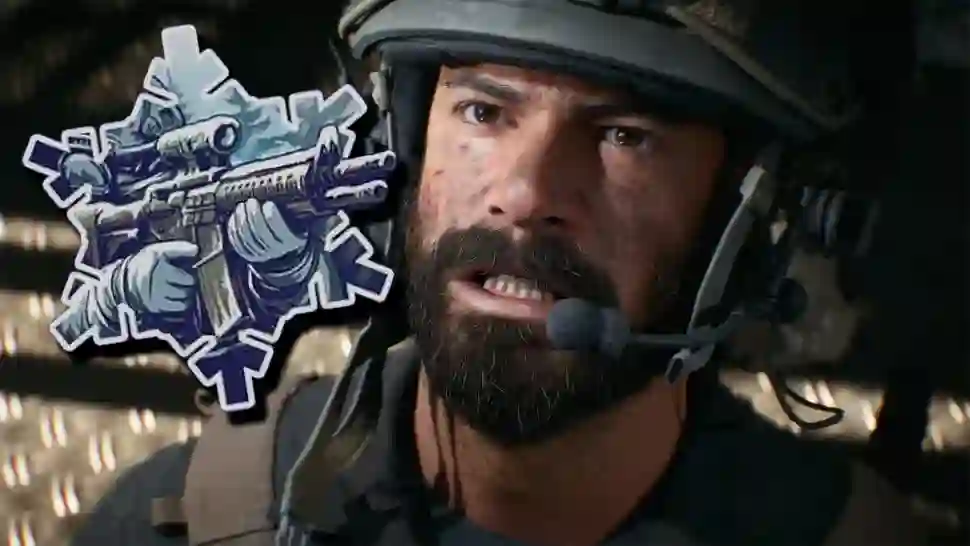
Battlefield 6 burst onto the scene with overwhelming success, smashing records by surpassing 750,000 concurrent players on Steam shortly after launch and establishing itself as a major contender against Call of Duty: Black Ops 7. The game’s return to massive-scale multiplayer battles and destructible environments reignited fan passion, delivering the series’ signature chaos on next-generation hardware. However, this triumphant reception now faces controversy after players discovered apparent generative AI elements hidden within paid cosmetic bundles, directly contradicting pre-launch assurances from EA executives.
Broken Promises on AI Usage
Battlefield’s European General Manager Rebecka Coutaz explicitly stated before launch that generative AI would not appear in the final game, positioning it solely as a behind-the-scenes tool during development. She explained that AI exploration freed up creative time for human artists rather than replacing them. This messaging aligned with industry trends where studios emphasize AI as an efficiency booster kept invisible from players, maintaining authenticity in core experiences while accelerating asset production.
The discovery undermines this commitment. Post-launch updates introduced premium cosmetic bundles featuring weapons with physically impossible designs—like an M4A1 sporting dual barrels—and descriptions exhibiting classic AI hallmarks such as nonsensical phrasing and repetitive structures. These aren’t discarded prototypes but deliberate paid content, forcing players to spend real money on algorithmically generated artifacts that clash with Battlefield’s handcrafted aesthetic legacy.
Player Discoveries and Community Backlash
Eagle-eyed community members quickly compiled evidence, highlighting textures that morph unnaturally, weapon models defying ballistics logic, and flavor text riddled with grammatical oddities. A dual-barreled M4A1 stands as the poster child, its impossible engineering screaming procedural generation over artistic intent. Reddit compilations and social media breakdowns reveal patterns too consistent for coincidence—hallmarks of tools like Stable Diffusion trained on generic game art datasets.
As paid DLC, these cosmetics carry heightened scrutiny. Players investing in battle passes or bundles expect premium craftsmanship, not budget AI approximations. The scale remains cosmetic-only, avoiding gameplay impacts like AI bots or procedural maps, yet the precedent troubles purists who view Battlefield’s visual identity as integral to immersion. Community polls reflect division: some dismiss it as harmless window dressing, while others demand transparency and human oversight for monetized content.
EA’s Broader AI Strategy
This incident fits Electronic Arts’ deepening AI partnerships, including collaborations with Stability AI for image generation workflows. While Battlefield 6 maintains core gameplay purity, the cosmetic incursion signals potential expansion. EA’s roadmap emphasizes AI acceleration across asset creation, localization, and even narrative elements, promising faster content drops but risking quality dilution.
Industry parallels abound—Call of Duty: Black Ops 7 faced harsher criticism for more invasive AI applications—yet Battlefield’s subtlety amplifies betrayal. Pre-launch denials framed AI as preparatory scaffolding, not final product scaffolding. Players now question whether “no generative AI in-game” meant “not in core loops” or served as careful semantics distinguishing gameplay from monetization.
Implications for Game Development Ethics
The controversy reignites debates over AI disclosure, creator credits, and quality thresholds for paid content. Should generative tools powering cosmetics warrant labeling, similar to loot box probabilities? Studios face pressure to delineate human vs. machine contributions transparently, especially when revenue ties to perceived artistry. Battlefield 6’s incident underscores slippery slopes: cosmetics today could preview procedural weapons or environments tomorrow.
Fan reactions split pragmatically. Casual players prioritize fresh content velocity over provenance, accepting AI fillers for rapid battle pass refreshes. Hardcore enthusiasts demand artisan integrity, viewing AI cosmetics as lazy monetization undermining purchase trust. This tension mirrors broader gaming evolution, where technological convenience clashes with romanticized craftsmanship ideals.
Future Expectations and Industry Trends
EA likely faces calls for clarification, potential refunds, or bundle revisions amid mounting discourse. Battlefield 6’s momentum—bolstered by superior netcode, 128-player lobbies, and dynamic weather—should weather cosmetic storms, but reputational dings linger. Future patches may excise offending items or introduce hybrid workflows blending AI drafts with human polish.
As AI permeates development pipelines, Battlefield exemplifies transitional growing pains. Studios must navigate transparency expectations while leveraging tools enabling ambitious scopes unattainable manually. The real test lies in execution: does AI augment creativity or erode it? For now, players celebrate Battlefield 6’s triumphant return while warily monitoring how EA balances innovation with authenticity in this multi-billion-dollar franchise.