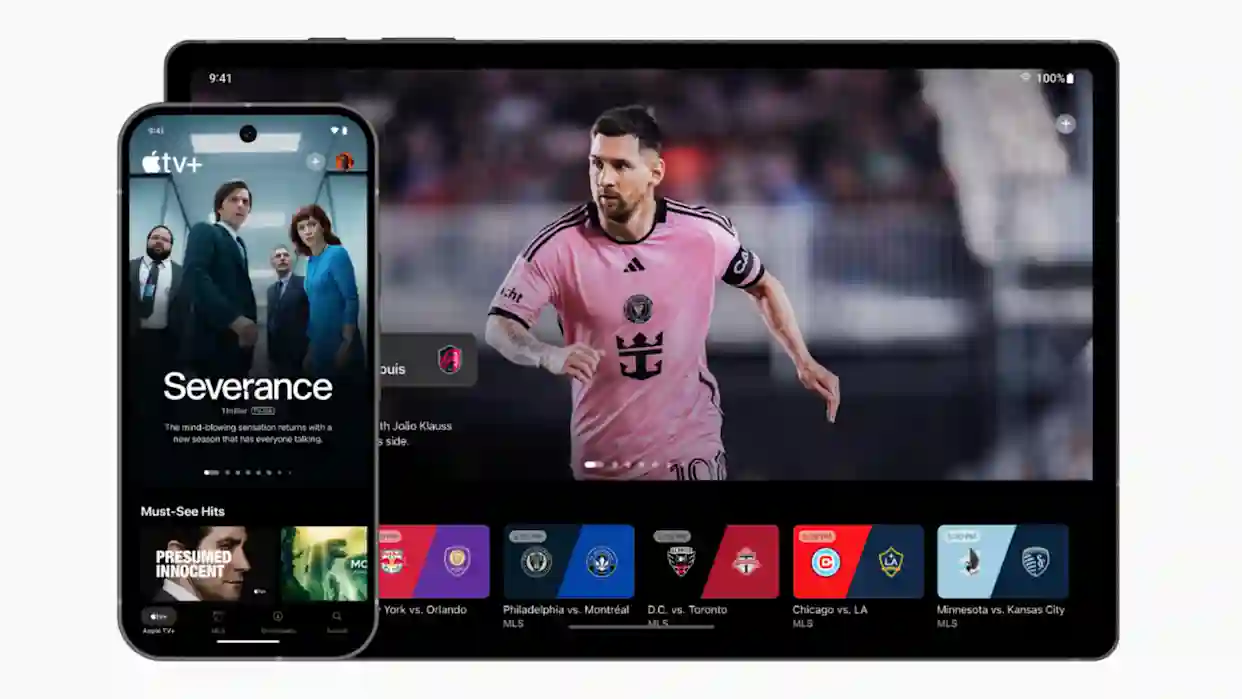
Apple has made a major upgrade to its streaming service, as the Apple TV app for Android now supports Google Cast. This enhancement finally allows Android users to stream Apple TV shows, movies, and original content directly from their smartphones to any television that supports Cast technology. The update creates a smoother experience for subscribers who use non-Apple hardware, removing the barriers that once separated Apple’s ecosystem from Android’s. It signals a broader shift in Apple’s approach toward cross-platform compatibility—an acknowledgment that viewers today demand flexibility more than brand uniformity.
Expanding Accessibility Beyond Apple Devices
The addition of Google Cast support represents a significant evolution in Apple’s streaming strategy. When Apple first released the dedicated Apple TV app for Android in February 2025, it filled a long-standing gap that had kept millions of potential users from directly accessing Apple’s growing media library on their mobile devices. Until then, Android users had to rely on web browsers or smart TV apps to watch Apple TV content, which limited convenience and performance.
With Cast integration, users can now stream content from their Android phones or tablets straight to Cast-enabled TVs or streaming devices like Chromecast, Google TV, and smart displays. This change mirrors the seamless casting experience found across other major streaming platforms, bringing Apple more in line with competitors in terms of user accessibility and flexibility.
A Seamless Multi-Device Viewing Experience
The biggest advantage of this update is convenience. Android users can easily begin watching a show or movie on their phone and, at any moment, cast it to a larger screen without losing their playback position. This multi-device fluidity encourages more engagement and reduces friction for those who prefer flexibility while watching. For instance, someone could start *Ted Lasso* on their commute and continue watching it from their living room TV with a single tap—no additional setup required.
While Apple has historically kept its ecosystem relatively closed, this step signifies a clear recognition of how entertainment habits have evolved. Many households now feature a mix of devices across operating systems, and by bringing Google Cast into the fold, Apple is ensuring its streaming service fits naturally into hybrid tech environments instead of resisting them.
How to Cast Apple TV from Android
For users looking to take advantage of the new feature, the process is simple and intuitive:
– Ensure both your Android device and your Cast-enabled TV (or Chromecast device) are connected to the same Wi-Fi network.
– Open the Apple TV app and sign in using your Apple ID.
– Play any video or show available in your library or subscription feed.
– Tap the Cast icon displayed on the playback screen.
– Choose your desired Cast device and enjoy streaming directly on your television.
This integration aligns with the broader trend of streaming platforms optimizing for effortless device-switching and playback sync.
Apple vs. Netflix: Two Opposite Directions
Interestingly, Apple’s expansion comes just as some of its competitors are moving away from similar features. Netflix, for instance, recently ended most forms of Google Cast support for newer televisions, consolidating playback through native apps and proprietary integrations instead. This move frustrated many users who appreciated the simplicity and control that casting offered.
Apple’s approach is starkly different—it’s actively embracing Cast to expand its reach into non-Apple households. By doing so, it positions Apple TV as a service-first platform, prioritizing content accessibility over device exclusivity. In essence, Apple is signaling a subtle but meaningful shift: instead of using hardware to drive software adoption, it’s allowing its content to stand on its own merit, adaptable to users’ existing devices.
| Feature | Apple TV App (Android) | Netflix App (Android) |
|---|---|---|
| Google Cast Support | Full support added in 2025 | Phased out for newer TVs |
| Cross-Platform Compatibility | Expanding beyond Apple ecosystem | Focused on native implementations |
| App Focus | Flexibility and accessibility | Device integration optimization |
| User Advantage | Freedom to stream across mixed devices | Limited casting, platform-dependent |
Positioning Apple TV in a Competitive Streaming Market
Apple’s decision to support Google Cast is not only a technical milestone—it’s a strategic play in an increasingly competitive streaming market. With services like Netflix, Disney+, and Prime Video dominating global audiences, differentiation now relies less on exclusivity and more on user experience. Making Apple TV content more widely accessible via Android strengthens its position in markets where iPhones are less prevalent and helps attract millions of potential new subscribers.
Additionally, this update subtly expands the Apple brand’s visibility across households that may never have owned an Apple device. By offering top-tier originals such as *Severance*, *Foundation*, and *Monarch: Legacy of Monsters* through Android and Cast-enabled setups, Apple is ensuring that its storytelling reaches a much broader demographic—an essential step toward competing globally.
A Step Toward Greater Platform Harmony
For years, Apple’s ecosystem has thrived on its polished but tightly controlled structure. However, the media landscape has evolved, and users now expect unrestricted mobility between devices. With the introduction of Google Cast in its Android app, Apple acknowledges this reality and meets audiences where they already are. Instead of resisting the shift toward open compatibility, it’s embracing a future in which seamless connectivity rules.
The update ultimately bridges the gap between two historically competitive ecosystems: Android and Apple. Whether you’re watching an Apple Original series or rewatching a purchased movie, Android users can now enjoy the same cinematic experience without compromise. In doing so, Apple’s streaming service takes another confident step toward becoming a truly universal platform—one that values the viewer’s freedom above all else.