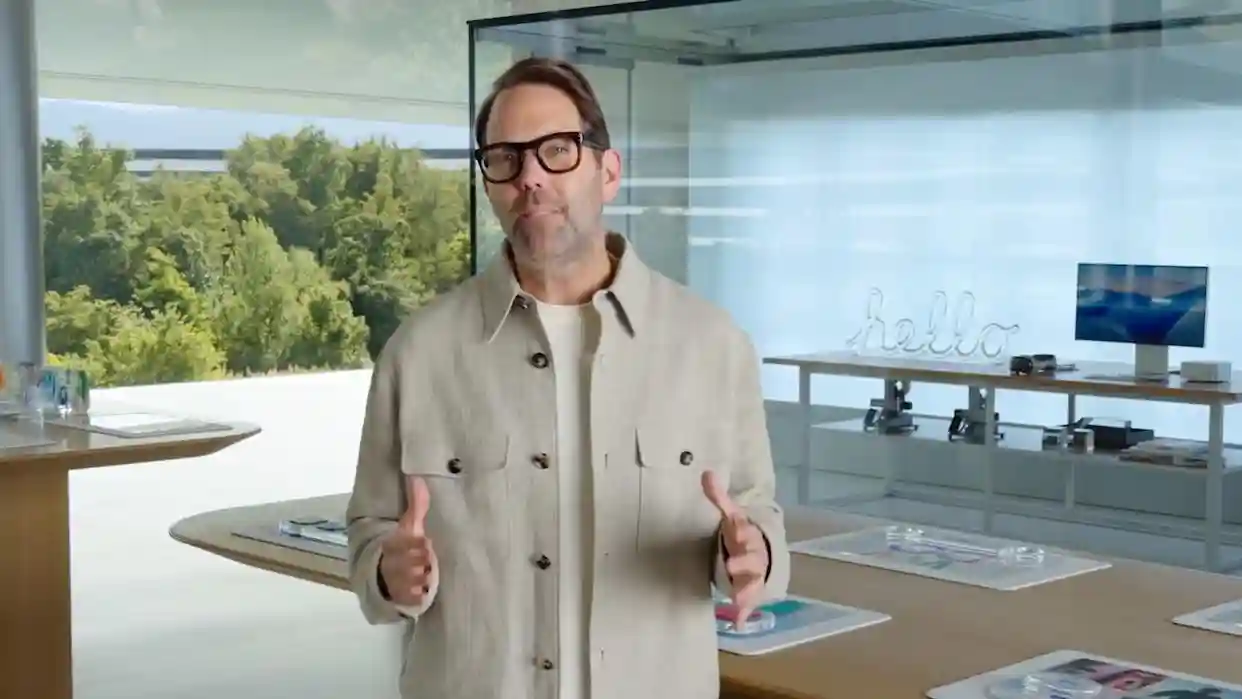
Alan Dye, Apple’s Vice President of Human Interface Design and a key figure in shaping the user experience of Apple’s products post-Jony Ive, is moving to Meta in a significant talent acquisition. This hiring marks a strategic expansion for Meta, as Dye will lead a newly formed design studio tasked with innovating across hardware, software, and artificial intelligence products.
Role and Responsibilities at Meta
Heading this new design studio under Meta’s Chief Technology Officer Andrew Bosworth, Dye will collaborate closely with high-profile designers including Billy Sorrentino, Meta’s interface design lead Joshua To, and industrial design head Pete Bristol. The studio will integrate metaverse art teams led by Jason Rubin, aiming to blend cutting-edge technology, fashion, and design to define Meta’s future consumer experiences.
Mark Zuckerberg’s Vision for the New Studio
In an announcement via Threads, Zuckerberg described the initiative as an opportunity to use intelligence—specifically artificial intelligence—as a new design material. The goal is to create products that are abundant in capabilities yet remain deeply human-centered, signaling Meta’s ambition to innovate beyond traditional tech boundaries and build emotionally resonant devices and software.
Transition at Apple and Dye’s Legacy
Apple has appointed Stephen Lemay, a veteran senior designer who has worked on the company’s interfaces since 1999, to replace Dye. While Apple’s design culture is famously secretive, Dye’s imprint can be seen in major recent projects including visionOS, Apple’s mixed-reality operating system, and the Liquid Glass design language—the company’s most significant visual refresh in years. His move reflects a broader trend of Apple design leaders moving on to influential roles in other tech firms.
Meta’s Expanding Hardware Ambitions
Meta has seen substantial success with its Quest virtual reality headsets and the Ray-Ban Meta smart glasses. The new design studio, helmed by Dye, is expected to fuel further innovation in Meta’s hardware lineup. Upcoming products may include next-gen versions of the Meta Ray-Ban Display and the Neural Band accessory, enhancing the company’s portfolio in wearable technology and brain-computer interfacing.
Industry Context and Competitive Dynamics
Dye’s move adds to a notable pattern of Apple design talent joining emerging ventures. Evans Hankey, Apple’s former head of industrial design, left in 2022 to work with Jony Ive on OpenAI’s hardware initiatives. Meta and Apple are increasingly direct competitors, especially in the mixed reality and smart glasses markets. While Apple’s Vision Pro targets the high-end VR audience, its rumored development of smart glasses will bring it head-to-head with Meta’s increasingly sophisticated wearable ecosystem.
How This Move Could Influence the Market
– Alan Dye’s expertise is likely to elevate Meta’s product aesthetics and interface innovations.
– The design studio’s multidisciplinary approach merges fashion, AI, and technology, potentially creating standout, user-friendly devices.
– Meta’s hardware roadmap could accelerate, introducing new consumer products that challenge Apple’s offerings.
– The rivalry in smart wearables and AR/VR devices may intensify, fostering faster innovation cycles.
– User experience design quality across Meta’s platforms might see significant improvement driven by Dye’s influence.
Background on Alan Dye’s Design Impact
Dye played a critical role in evolving Apple’s design language post-2019, contributing to system-wide interface innovations and aesthetic refinements that balanced minimalism with functionality. His work on visionOS delivered a seamless mixed reality experience integrating gestures and spatial interactions. Similarly, the Liquid Glass design ushered in a fresh visual identity characterized by translucent layers and smooth gradients, reinvigorating Apple hardware appearances.
Meta’s Strategy in Acquiring Top Design Talent
Meta’s recruitment reflects a broader industry trend where tech giants aggressively vie for creative leadership to differentiate products. By assembling a powerhouse team combining former Apple designers and internal talents, Meta aims to harness design excellence to complement its technical prowess. This strategy positions the company to push boundaries in AI-powered devices and immersive user experiences.
Future Prospects for Meta and Apple
Meta’s investment in next-generation design capabilities enhances its competitive edge as it explores AI-infused, fashion-forward wearable devices. Apple’s renewal of design leadership with Lemay sustains its legacy of sophisticated, user-centric innovation. Both companies will likely escalate competition in AR, VR, and smart glasses markets, benefiting consumers through rapid advancements and diversified product choices.