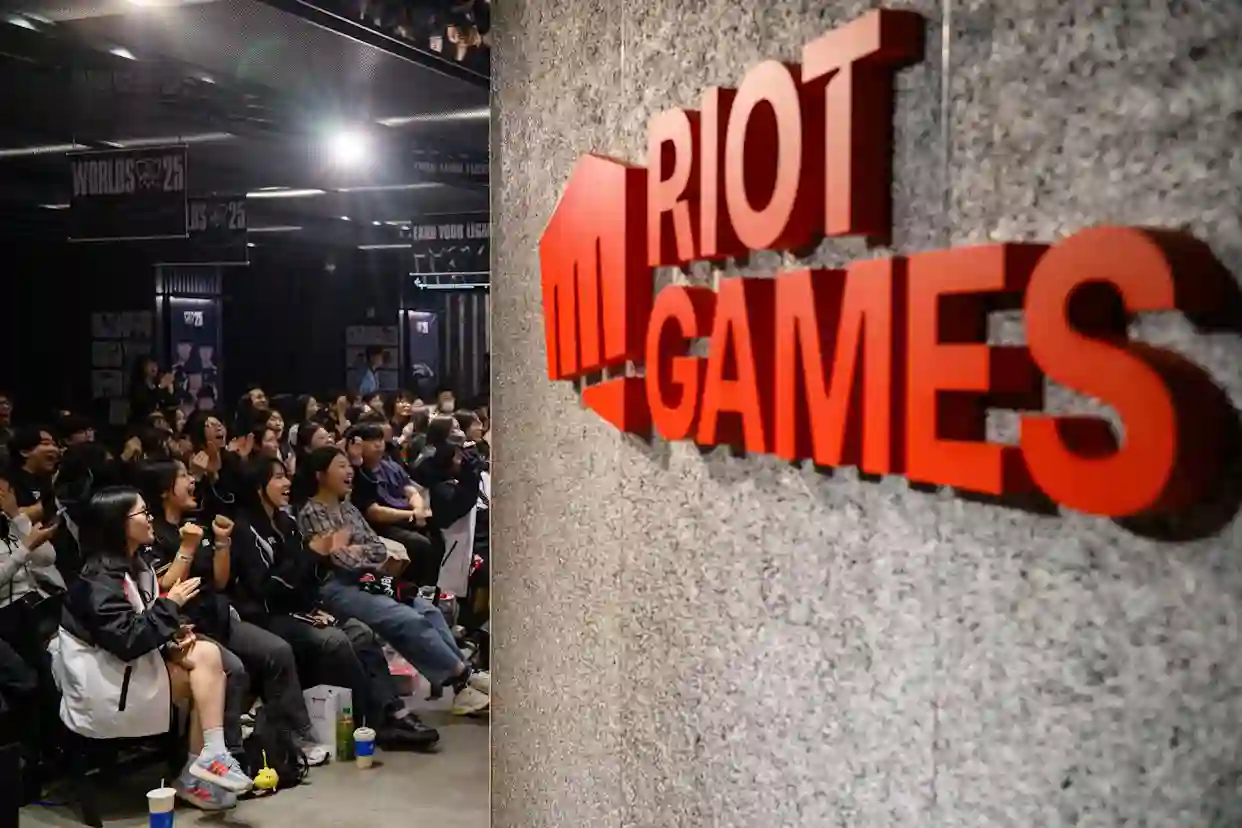
League of Legends, the enduring cornerstone of competitive gaming with over 180 million monthly players, faces a pivotal evolution as Riot Games confirms a comprehensive revamp slated for 2027. Dismissing rumors of a full League of Legends 2, executives revealed ambitious plans to modernize the 16-year-old title without abandoning its massive legacy player base. This massive update promises to blend nostalgic core gameplay with cutting-edge visuals and streamlined interfaces, positioning the MOBA giant to compete in an era dominated by battle royales and live-service shooters.
Addressing Rumors and Setting Expectations
Executive producer Paul Belleza directly refuted speculation fueled by Bloomberg reporting and Chinese esports insiders suggesting a 2026 sequel launch. Instead, Riot outlined a “big update” rivaling the mid-2010s graphical overhaul that breathed new life into Summoner’s Rift. Head of League Studio Andrei van Roon detailed initial pillars: a unified client integrating pre-game tools seamlessly with matches, comprehensive visual upgrades to the iconic map, Rune system reworks, and holistic player experience enhancements targeting accessibility for newcomers.
This strategic pivot acknowledges League’s maturation challenges—intimidating complexity repels casual players while veterans resist change. By committing to iterative evolution over sequel disruption, Riot safeguards esports infrastructure valued at hundreds of millions annually across LCS, LEC, LCK, and LPL circuits.
Core Update Components Revealed
The around-game client redesign tackles longstanding friction points like clunky champion select and patching interfaces, envisioning a Discord-like social hub embedded within the game flow. Summoner’s Rift receives full visual fidelity boosts leveraging modern rendering techniques, potentially incorporating dynamic lighting, destructible environments, and enhanced particle systems without altering tactical geometry.
Rune changes aim to simplify the overwhelming 50+ option tree that overwhelms beginners, possibly introducing modular keystone paths with clearer scaling. Broader quality-of-life improvements target matchmaking transparency, spectator tools, and mobile companion integration, mirroring successful Valorant client evolutions.
| Feature | Current State | 2027 Vision |
|---|---|---|
| Client Interface | Fragmented menus | Unified in-game hub |
| Summoner’s Rift | 2010s visuals | Full graphical overhaul |
| Runes System | Complex tree | Streamlined paths |
| New Player Experience | Steep learning | Tutorials, AI coaching |
Strategic Timeline and Competitive Calendar
Riot promises deeper reveals between MSI (May/June) and Worlds (October/November) 2026, aligning with competitive downtime from late November through early January. This off-season window minimizes disruption to pro circuits while maximizing hype through patch previews and alpha tests. Pre-season timing enables balance recalibration before Split 1 kicks off, preserving competitive integrity.
The 2027 horizon allows parallel development of Riot’s expanding portfolio—fighting games, card battlers, tactical shooters—without cannibalizing League’s revenue supremacy. Tencent’s oversight ensures fiscal discipline amid $2+ billion annual bookings.
Balancing Legacy and Innovation
This revamp confronts existential threats: declining Western player retention amid mobile migration, Chinese market saturation, and free-to-play fatigue. Success hinges on preserving mechanical purity—last-hitting, wave management, objective trades—that defines high-level play while polishing rough edges repelling 90% of trial users.
Veteran concerns about “Arcade-ification” loom large; Riot must demonstrate fidelity through public betas and pro player consultation. Visual upgrades risk performance hits on aging rigs, demanding scalable graphics options. Monetization evolution could introduce cosmetic battle passes bridging old skin vaults with dynamic collections.
Industry Context and Competitive Landscape
League’s reinvention mirrors World of Warcraft’s Dragonflight resurgence and Fortnite’s perpetual evolution, proving live-service longevity demands periodic reinvestment. Dota 2’s stagnant client underscores risks of neglect, while Valorant validates Riot’s client-first philosophy.
Global esports viewership exceeding 100 million peak concurrents demands infrastructure resilience—updated anti-cheat, streaming optimizations, cross-region servers. Mobile expansion via Wild Rift sets hybrid expectations, potentially influencing PC feature parity.
As 2027 approaches, League stands at a crossroads: embrace change to conquer new demographics or risk fossilization. Riot’s measured transparency builds anticipation without overpromising, positioning the update as evolution, not revolution. Success could cement another decade of dominance; missteps invite challengers to claim the MOBA throne League built.