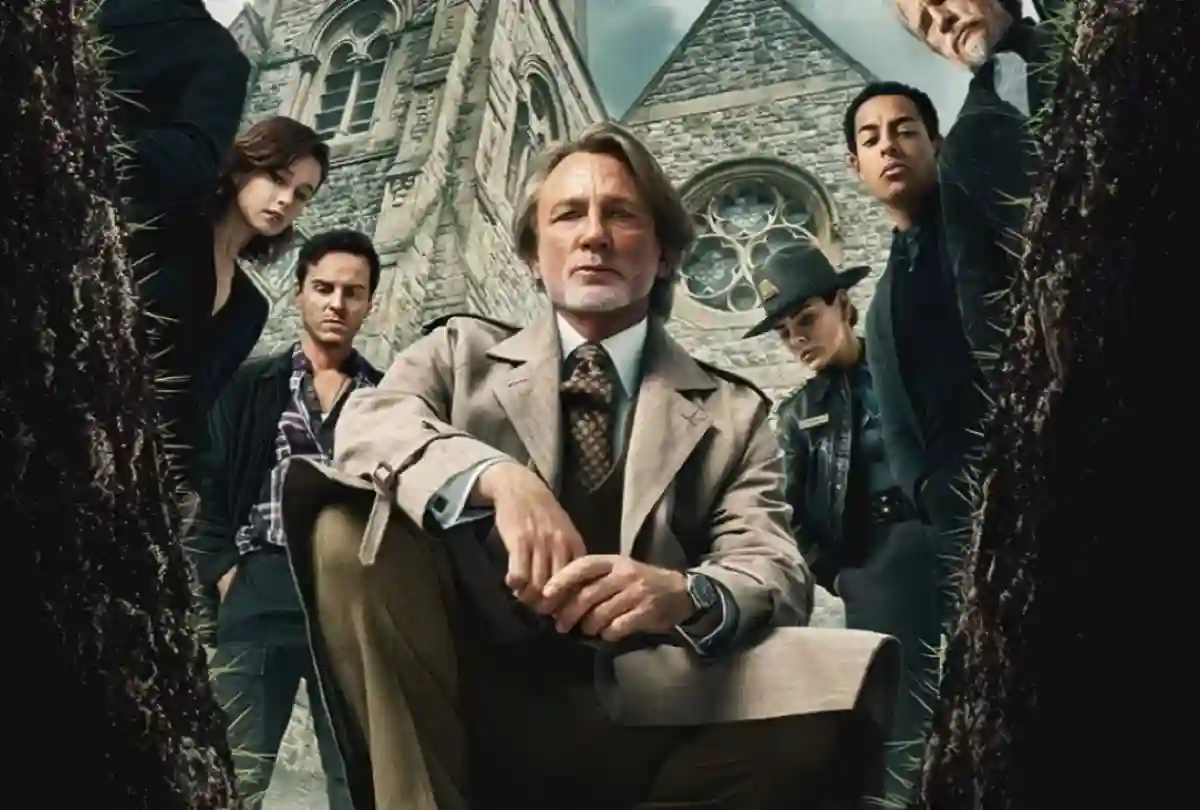
Rian Johnson’s latest Benoit Blanc mystery, Wake Up Dead Man, delivers another captivating entry in the Knives Out franchise, this time set against a haunting Gothic backdrop in a small town reeling from the murder of firebrand priest Monseigneur Jefferson Wicks, played with intensity by Josh Brolin. Cinematographer Steve Yedlin, Johnson’s longtime collaborator since their teenage years, returns for his third outing with the series, bringing technical mastery and artistic synergy to realize the film’s distinctive visual style. Their deep creative alignment allows them to bypass initial testing phases, diving straight into refining each scene’s unique lighting and composition to elevate the storytelling.
The film’s Gothic atmosphere thrives on masterful interplay between light and shadow, with Yedlin employing dynamic lighting shifts that mirror the narrative’s emotional beats. In pivotal scenes, such as confrontations between detective Blanc and prime suspect Father Jud Duplenticy (Josh O’Connor), sunlight dramatically emerges and recedes as dialogue intensifies, symbolizing shifting power dynamics and revelations. The church interior becomes a visual centerpiece, cycling through day, night, dawn, and dusk within single sequences, enhanced by custom light control software that enables precise, repeatable cues during takes.
Church Set as Cinematographic Masterpiece
Yedlin praises the church and rectory set as his favorite filming location, citing its thematic richness and logistical perfection. Textured clear windows on both sides facilitate nuanced light manipulation, while colored glass at the apex conceals rigging without compromising authenticity. This setup transforms technical challenges into creative opportunities, allowing the crew to “paint with light” during limited on-set time rather than wrestling with basic visibility issues.
Advanced rigging supports everything from slashing early morning rays during swelling sermons to lens-flaring sunbursts timed perfectly to dramatic speeches. The flexibility proves essential for Gothic mood-building, where controlled contrasts create depth and tension without overwhelming the actors or narrative flow. Yedlin emphasizes that such precision feels organic, serving the story rather than drawing attention to itself as showy technique.
Mastering Darkness Through Strategic Contrast
Addressing modern cinema’s trend toward overly dim, flat imagery, Yedlin champions contrast as the true architect of perceived darkness. Rather than underexposing entire frames to invisibility, he strategically incorporates “inky blacks” alongside illuminated focal points, ensuring viewers discern essential details while feeling immersed in shadowy atmospheres. This impressionistic approach acknowledges human vision limitations—where true darkness eliminates color perception—opting instead for evocative stylization that maintains narrative clarity.
Production design innovations further enhance control. Dual stage backings depicting trees against sky provide layered depth unattainable with flat painted cycloramas. For night scenes, silhouetting foliage against a subtle blue glow creates atmospheric separation; bright days feature near-blown-out textures washing the backdrop; dusks balance visibility across elements. Such versatility multiplies visual storytelling possibilities within constrained physical spaces.
Innovative Techniques Elevate Emotional Impact
Yedlin’s ingenuity shines in subtle details, like combining light control with lightweight monitors to simulate firelight reflections dancing in characters’ eyes and glasses. These micro-moments heighten intimacy and psychological tension without disrupting scene rhythm. The cinematographer views each project as an opportunity to evolve, avoiding stylistic stagnation through constant experimentation tailored to the material’s unique demands.
Johnson’s collaborative environment amplifies this innovation, fostering fun and efficiency that permeates the production. The result showcases cinematography as integral storytelling partner rather than decorative afterthought. Wake Up Dead Man demonstrates how longstanding creative partnerships, technical prowess, and thematic fidelity converge to produce visually arresting mysteries that reward close attention.
Visual Storytelling in the Knives Out Tradition
True to the franchise’s evolution, Wake Up Dead Man balances lavish visual design with propulsive plotting. Yedlin’s work embodies the tension between faith and reason central to the narrative, manifested through Blanc’s rational illumination piercing religious obscurity. Gothic architecture frames moral confrontations, while lighting motifs underscore characters’ internal conflicts and the community’s collective hypocrisy.
From cultish congregations frozen in shock to police procedural collaborations with local chief (Mila Kunis), every frame pulses with purposeful composition. Flashbacks gain additional gravitas through desaturated palettes and angular shadows, distinguishing temporal layers while maintaining aesthetic cohesion. The film’s streaming availability on Netflix invites audiences to appreciate these layers on repeated viewings, where visual foreshadowing reveals itself alongside plot twists.
Ultimately, Wake Up Dead Man stands as a testament to cinematic craftsmanship in the streaming era. Yedlin and Johnson’s seamless partnership produces imagery that doesn’t merely support the mystery but actively participates in unraveling it. Through light’s metaphorical and literal revelations, the film illuminates human darkness with precision, elegance, and unmistakable artistry, continuing the Knives Out series’ tradition of intellectually satisfying entertainment wrapped in visual splendor.