
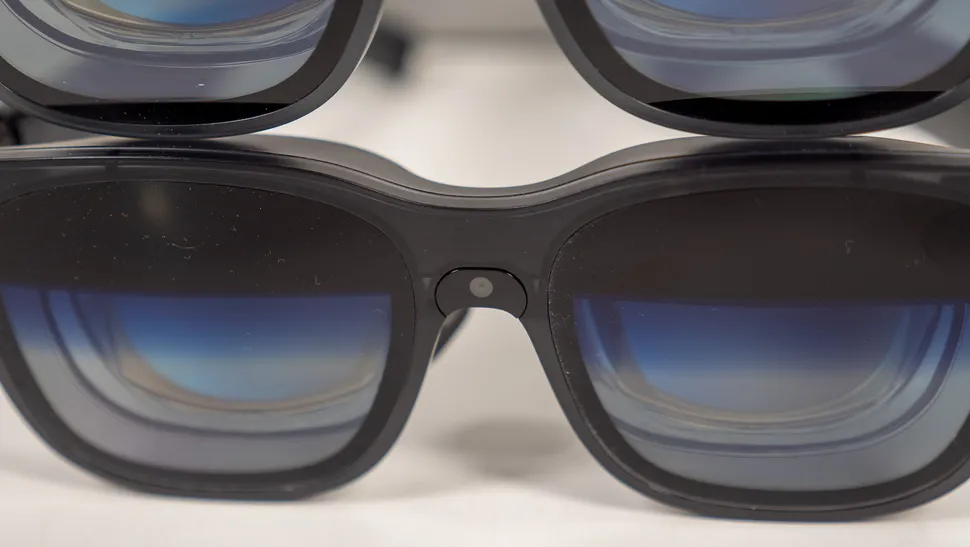
The AR glasses market heats up with legal fireworks as Xreal secures a preliminary injunction against Viture’s EU distributor in Germany, marking the industry’s first major patent clash over core optical technology. This temporary sales block targets Viture’s popular models amid accusations of infringing European Patent EP3754409B1, which covers augmented reality display systems. While Viture vehemently disputes the claims and vows aggressive counteraction, the ruling underscores escalating competition in a sector racing toward mainstream adoption.
Details of the German Court Ruling
Munich’s 1st Regional Court issued the injunction prohibiting Eden Future—Viture’s EU distributor—from offering, marketing, importing, or selling affected products in Germany. The order stems from Xreal’s September 2025 proceedings, with a November 13 decision upholding the preliminary measure after an earlier dismissal against Viture Inc. itself for procedural issues. Potentially impacted models include Viture Pro, Luma, and Luma Pro across nine EU nations: Germany, France, Italy, Spain, Poland, Netherlands, Ireland, Sweden, and Belgium.
Despite the ruling, Viture products remain listed and available on Amazon Germany and other European sites, creating marketplace confusion. This temporary status—pending final adjudication post-New Year—highlights enforcement gaps between court orders and retail realities. IDC Q3 2025 data reveals Viture’s U.S. sales leadership but global lag behind Xreal, fueling the patent aggressor’s confidence.
Viture’s Strong Rebuttal
Viture issued a comprehensive statement rejecting the claims as “entirely unfounded,” arguing the cited patent—newly issued without completing opposition—overlaps existing prior art they formally challenge. The company accuses Xreal of exploiting procedural timing while emphasizing the injunction applies solely to Viture Pro in Germany, where stock sold out anyway. All other products remain fully available Europe-wide, with no listings removed.
Viture highlights its legal countermeasures: patent opposition filings, injunction appeals, and separate Chinese proceedings against “false rumors.” Citing robust European market performance, the company frames Xreal’s actions as desperate responses to competitive pressure rather than legitimate IP defense. U.S. sales dominance data bolsters their position, portraying the dispute as temporary theater distracting from innovation priorities.
Patent Arsenal Disparity
Xreal wields substantial firepower with over 800 global patents, including 75+ in Europe and 50+ in the U.S., versus Viture’s modest portfolio of under 60 worldwide—zero granted in key Western markets, just six optical-related. This imbalance tilts battles toward established players, enabling aggressive enforcement against upstarts. The contested EP3754409B1 targets Viture’s optical display stack, core to AR glasses’ lightweight, high-resolution projection systems blending virtual overlays with real-world views.
Such disputes signal XR maturation: as shipments grow and prices drop, IP becomes battleground protecting billions in R&D. Xreal’s strategy mirrors smartphone wars, leveraging patent thickets to deter copycats while Viture counters through invalidation challenges and parallel litigation.
Market and Industry Ramifications
Consumers face short-term uncertainty—German buyers may encounter stock shortages or delistings, though cross-border Amazon purchases persist. Broader EU availability shields most shoppers, but prolonged fights could inflate prices through legal costs or supply disruptions. U.S. markets remain unaffected, where Viture leads despite global runner-up status.
This milestone elevates XR from gadget novelty to cutthroat enterprise. Winners need fortified portfolios alongside superior products; patent trolls loom as shipment forecasts predict 50 million annual units by 2030. Viture’s defiance—appeals, oppositions, counter-suits—demonstrates resilience, potentially rallying developer support against perceived bullying.
Strategic Lessons for XR Contenders
The clash accelerates patent races: startups must prioritize IP alongside hardware iteration, while incumbents balance enforcement against innovation optics. Collaborative standards could mitigate wars, but proprietary advantages drive differentiation in field-of-view, brightness, and form factors.
Viture’s multipronged response—legal aggression, market data flexing, availability assertions—models effective pushback. Xreal’s silence suggests courtroom confidence, betting injunctions erode competitor momentum. Resolution timelines stretch into 2026, with appeals possibly escalating to European Patent Office.
As AR glasses target productivity, navigation, and entertainment, this patent skirmish tests market resilience. Consumers benefit from competition spurring advances; manufacturers learn that technological leadership demands defensive arsenals. The German injunction represents opening salvos in XR’s patent arms race, where optical supremacy determines survivors.