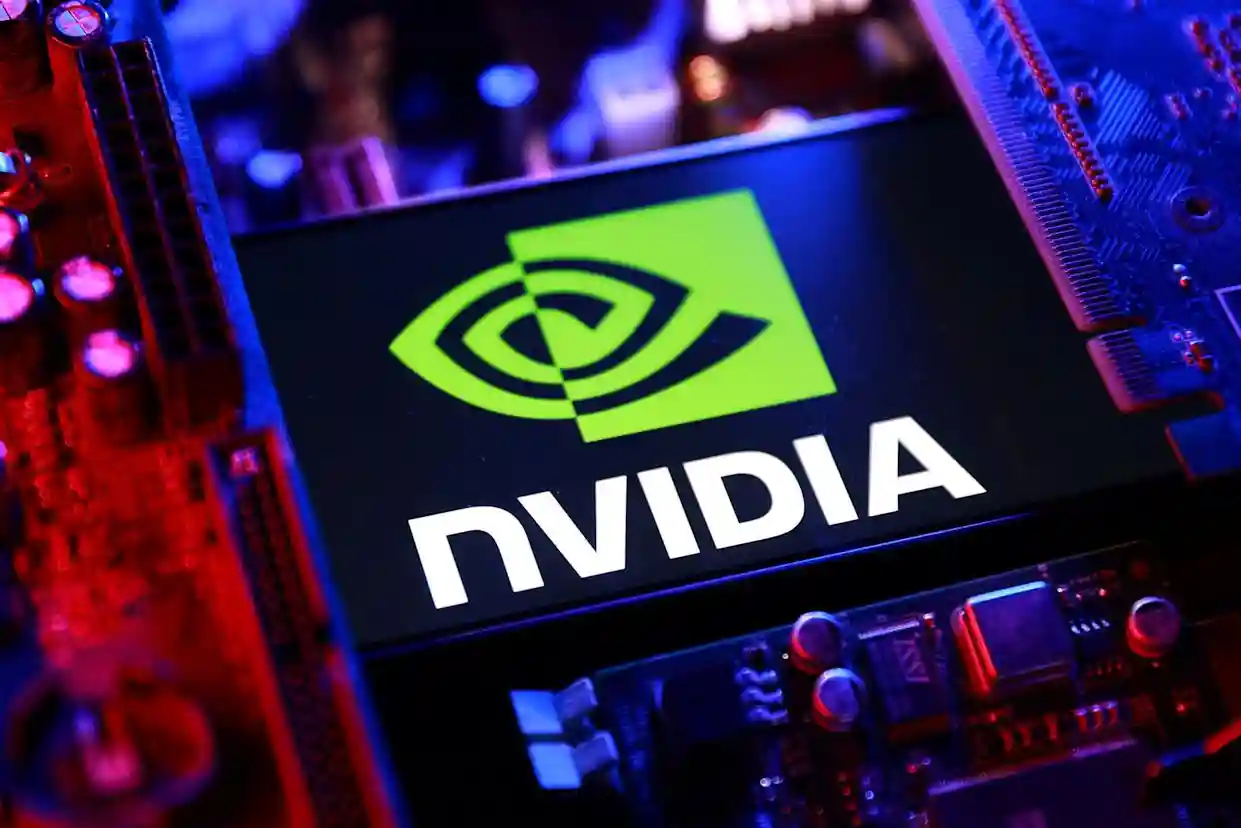
President Trump’s decision to lift export restrictions on Nvidia’s powerful H200 AI chips to China has ignited fierce debate among experts, lawmakers, and national security analysts. The H200—six times more capable than China’s current top chips and only moderately behind Nvidia’s flagship Blackwell—could dramatically accelerate Beijing’s AI ambitions, potentially handing them a critical edge in the global tech race. Critics warn this move undermines years of US export controls designed to preserve American technological supremacy.
The H200 Chip at the Center of Controversy
Nvidia’s H200 represents a sweet spot in AI compute power: substantially superior to Huawei’s offerings (estimated two years behind) yet exportable under previous rules. Trump reversed course after persuasion from Nvidia CEO Jensen Huang and advisor David Sacks, who argued that bans only empower Chinese rivals like Huawei with unchecked market dominance. Their logic: Allow Nvidia sales to maintain US market share, generate $10-15 billion in annual revenue for further R&D, while the US takes a 25% cut of proceeds.
Proponents claim this keeps China “addicted” to American silicon, funding Nvidia’s innovation edge. Detractors, including former national security advisor Jake Sullivan, call it “nuts,” arguing China buys today to reverse-engineer tomorrow. “We’re handing away our advantage,” Sullivan stated, noting Beijing’s explicit goal of semiconductor independence.
Expert Criticisms Mount from All Sides
Non-partisan analysts at the Council on Foreign Relations deliver stark warnings. Zongyuan Zoe Liu cautions Trump is “undoing” first-term export curbs, signaling US weakness when China seeks strategic autonomy. Rush Doshi labels it “decisive in the AI race,” predicting Chinese AI dominance since compute remains America’s key moat. Michael Horowitz notes immediate benefits to China’s data centers and frontier models, potentially tripling 2026 compute capacity.
The Economist deems the strategy “flawed,” risking reverse-engineering windfalls for firms like Moore Threads, whose stock surged post-announcement. Bipartisan lawmakers echo alarms: Rep. John Moolenaar (R) predicts military surveillance boosts and tech theft; Senate Democrats decry “national security for sale,” enabling lethal weapons and cyberattacks.
Revenue-Sharing Plan Raises Legal Red Flags
| Stakeholder | Position | Key Concern |
|---|---|---|
| Nvidia/Huang | Support | Lost China revenue hurts US R&D |
| Jake Sullivan | Oppose | Directly aids China’s AI catch-up |
| CFR Experts | Oppose | Reverse-engineering, signals weakness |
| US Lawmakers | Oppose | Military applications, tech theft |
The proposed 25% US sales cut—potentially billions—faces legality questions under export license laws. Trump claims undisclosed safeguards protect security, but opacity fuels skepticism. Nvidia’s new location-tracking tech, meant to prevent smuggling, ironically spooks Chinese buyers fearing remote kill-switches.
China’s Calculated Response
ByteDance, Tencent, and Alibaba express interest despite past government directives avoiding Nvidia over backdoor fears. Beijing convened emergency meetings, weighing short-term compute gains against long-term independence. Analysts predict China might reject H200s to demand Blackwell access, testing Trump’s resolve amid fragile US-China truces.
Market dynamics shift dramatically: Chinese firms now control 60% of domestic AI chips, up from near-zero US dominance years ago. H200 influx could spawn “AI Belt and Road” initiatives rivaling American cloud giants, per CFR’s Chris McGuire.
Strategic Implications for US Tech Leadership
- Compute Gap Closes: H200 floods enable DeepSeek and others to match US labs.
- Reverse-Engineering Accelerates: China dissects architecture for domestic replication.
- Ally Coordination Fractures: US reversal may prompt export control unraveling.
- Military Applications: Enhanced surveillance, cyber, and autonomous weapons.
- R&D Feedback Loop: Nvidia profits questioned if China exits dependency swiftly.
Navigating the Policy Fallout
- Monitor Congressional hearings on revenue-sharing legality.
- Track Chinese purchase decisions from ByteDance/Tencent meetings.
- Watch Nvidia’s Rubin chip launch as next export battleground.
- Assess ally responses—Japan, Netherlands may loosen ASML restrictions.
- Evaluate DOJ smuggling enforcement consistency post-approval.
Trump’s H200 gamble embodies high-stakes tech diplomacy: short-term revenue versus long-term supremacy. As China weighs temptation against autonomy, the US faces pivotal questions about weaponizing market access. Nvidia celebrates “thoughtful balance,” but experts fear this rocks the boat when steady course secured dominance. The AI race outcome may hinge on whether Beijing bites—or leverages for greater concessions.