The UK government has signaled it will investigate Rockstar Games’ controversial firing of 31 employees, amid widespread accusations of union-busting at the Grand Theft Auto developer’s Edinburgh studio. Prime Minister Keir Starmer described the situation as “deeply concerning” during parliamentary questioning, committing ministers to examine whether the dismissals violated employment protections for union organizers. This high-level scrutiny marks a significant escalation in a dispute that has galvanized game developers across multiple continents.
The Firings and Union Accusations
In October, Rockstar North terminated 31 staff members, all participants in a private Discord group discussing trade union activities. The company cited “gross misconduct” involving the alleged sharing of confidential information externally. However, the Independent Workers’ Union of Great Britain (IWGB) condemned the action as “the most blatant and ruthless act of union busting in the history of the games industry,” claiming the Discord chat focused solely on organizing efforts.
The fired workers, supported by IWGB, filed legal claims for unfair dismissal in November. Over 200 Rockstar North employees subsequently signed an open letter demanding reinstatement, emphasizing the sacked developers’ vital contributions to ongoing projects. Protests erupted outside the Edinburgh headquarters, with solidarity actions in Paris, London, and New York, highlighting international concern over labor practices in gaming.
Parliamentary Pressure Mounts
Edinburgh East and Musselburgh MP Chris Murray, who met with Rockstar representatives, raised the issue directly in parliament. He expressed serious doubts about the company’s process, noting a lack of clarity on specific misconduct allegations and insufficient adherence to UK employment law. Murray revealed Rockstar initially demanded MPs sign NDAs before granting access, only relenting after pushback.
During Wednesday’s session, Murray asked Starmer whether all companies must respect UK employment law and workers’ rights to unionize. The Prime Minister affirmed these principles, stating every worker deserves protection from retaliation for union membership. Starmer directed ministers to investigate the case specifically and update Murray, signaling potential government intervention.
Rockstar’s Defense Under Scrutiny
Rockstar maintains the firings stemmed from legitimate confidentiality breaches, not union activity. Yet anonymous statements from affected staff paint a different picture, describing the action as “vicious union busting” targeting crucial talent. The timing—immediately following visible organizing efforts—fuels skepticism about the company’s rationale.
This incident occurs amid broader tensions in the games industry, where studios face pressure to control costs while developers push for better conditions. Rockstar’s parent company, Take-Two Interactive, has navigated multiple labor disputes globally, making this UK case particularly visible.
Union Movements in Gaming
| Studio | Date | Action | Outcome |
|---|---|---|---|
| Rockstar North | Oct 2025 | 31 fired after Discord organizing | UK gov investigation, legal claims |
| Activision Blizzard | 2021-2024 | Multiple walkouts, lawsuits | Union recognition, settlements |
| Amazon Game Studios | 2022 | Clyde union vote | Successful unionization |
| Sasquatch Studio | 2024 | French union formation | Ongoing negotiations |
Implications for the Industry
Starmer’s response elevates this from a workplace grievance to a national labor issue, potentially setting precedents for tech and gaming sectors. UK employment law protects union activity under the Trade Union and Labour Relations Act, making retaliation illegal. If investigators substantiate union-busting claims, Rockstar could face reinstatement orders, back pay awards, and reputational damage.
For developers, the case underscores growing militancy. The 200+ staff letter demonstrates internal solidarity rare in crunch-prone studios. International protests suggest coordinated global organizing, pressuring multinational publishers like Take-Two to standardize labor practices.
Government’s Role and Next Steps
Ministers now face the task of reviewing Rockstar’s dismissal procedures, employee communications, and Discord content without breaching commercial confidentiality. Murray’s involvement ensures parliamentary oversight, while IWGB’s legal action proceeds through employment tribunals.
Rockstar may need to provide detailed misconduct evidence to defend its position. Failure to demonstrate legitimate cause could trigger regulatory action, including fines or mandated union access. The studio’s silence since November intensifies speculation about internal deliberations.
A Turning Point for Game Dev Labor
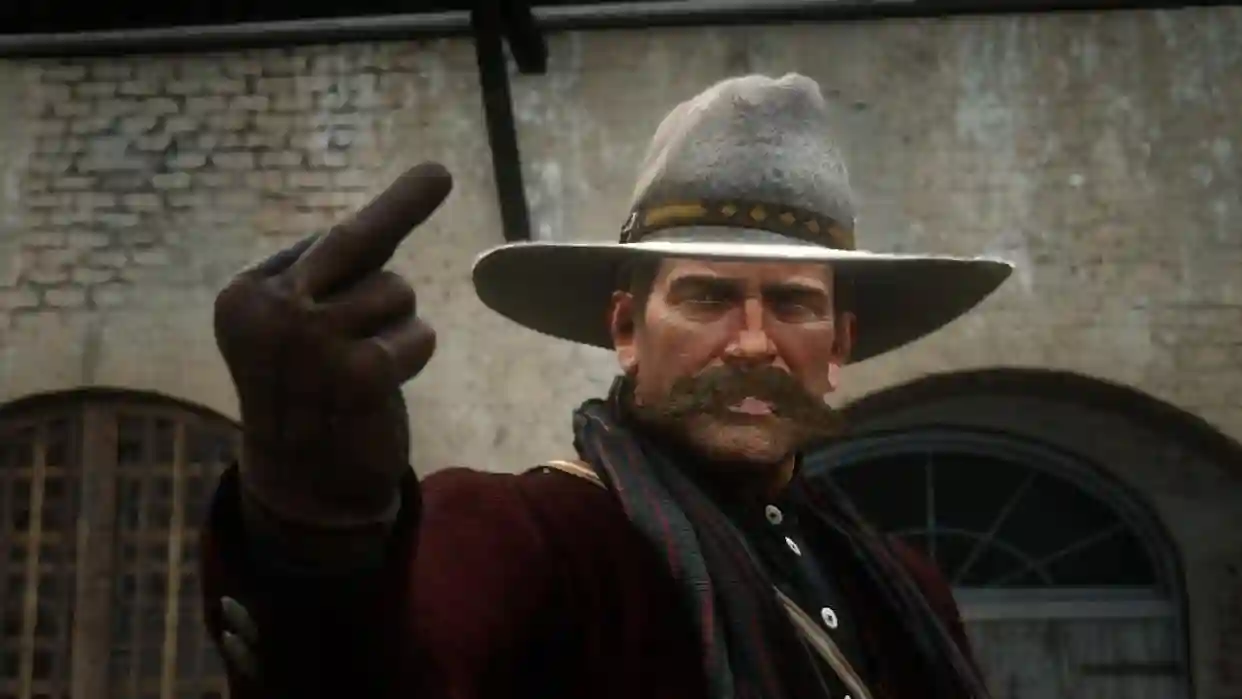
This confrontation tests whether gaming’s profit-driven model can accommodate union protections. Rockstar North, key to Grand Theft Auto and Red Dead Redemption, embodies the industry’s contradictions—massive commercial success alongside precarious employment. Developers argue their expertise merits voice in production decisions, especially amid layoffs sweeping the sector.
Starmer’s intervention validates these concerns, affirming union rights transcend profitability. As investigations unfold, the case could catalyze broader reforms, from collective bargaining mandates to whistleblower protections. For now, Rockstar faces unprecedented accountability, with UK lawmakers determined to ensure no developer pays the price for organizing.