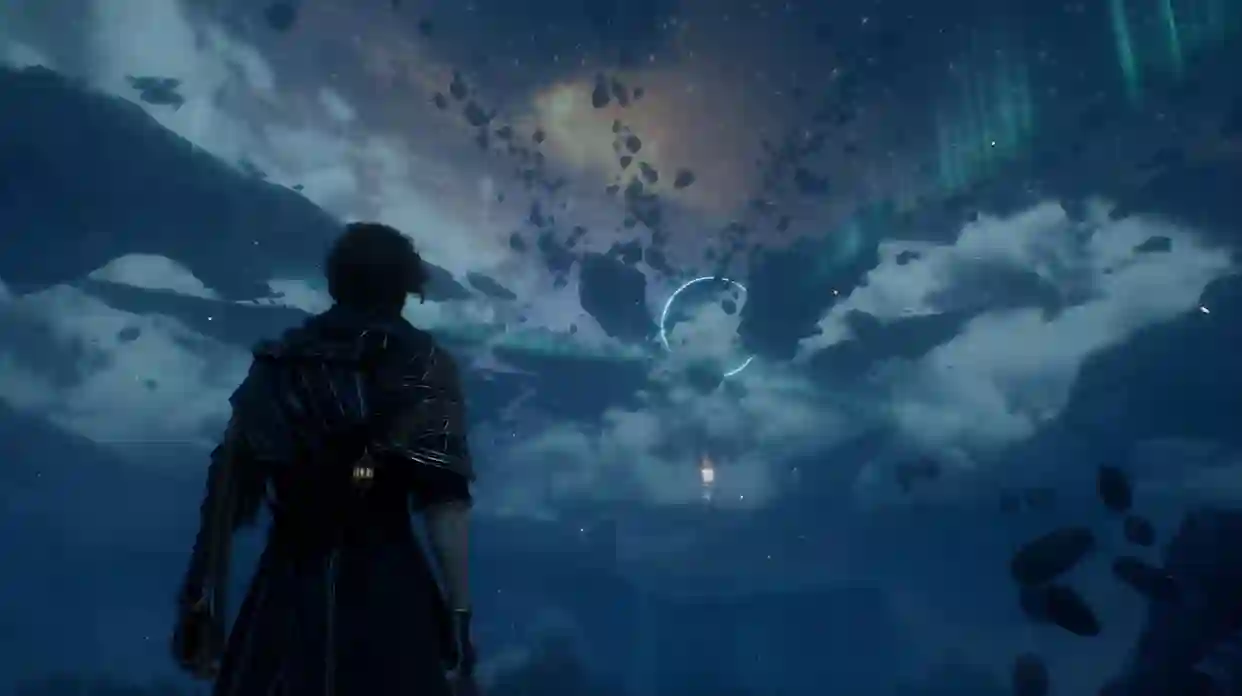
The Indie Game Awards has made headlines by revoking two prestigious trophies from the critically acclaimed Clair Obscur: Expedition 33, stripping it of Game of the Year and Debut Game honors due to the developer’s confirmed use of generative AI during production. This dramatic decision underscores the growing tensions within the gaming industry over AI’s role in creative processes, particularly in the indie sector where authenticity and human craftsmanship are prized above all. Sandfall Interactive, the small French studio behind the turn-based RPG sensation, admitted to employing AI-generated placeholder textures that inadvertently slipped through quality assurance and appeared in the final release, violating the awards’ strict zero-tolerance policy on generative AI.
The controversy erupted after months of whispers and online sleuthing, with eagle-eyed players spotting telltale AI artifacts in textures during gameplay. Sandfall maintained that these were temporary assets meant for early prototyping, fully intended for replacement by handcrafted art, but a few evaded the patch process. The Indie Game Awards’ FAQ leaves no ambiguity: any game incorporating generative AI in development is “strictly ineligible,” a rule designed to safeguard the indie ethos against tools that could flood markets with low-effort content. Organizers cited Sandfall’s own confirmation on the awards’ premiere day as the trigger for disqualification, noting that while the game remains exceptional and the assets were subsequently removed, rules are rules in this purist arena.
Submission Oversights and Organizational Lapses
Six One Indie, the event’s organizers, faced scrutiny for awarding the prizes initially last week despite prior public reports of AI usage dating back months. They claimed ignorance until December 18, the announcement day, insisting Sandfall had affirmed no AI involvement in its submission paperwork. A simple pre-event Google search might have surfaced Reddit threads and social media posts flagging the issue, highlighting potential gaps in due diligence for an awards body championing indie integrity. Nonetheless, the second-place finishers—Blue Prince for Game of the Year and Sorry We’re Closed for Debut Game—stepped up to claim the vacated laurels, rewarding other deserving titles in a year brimming with indie excellence.
Clair Obscur’s Triumph Amid the Storm
Despite this setback, Clair Obscur: Expedition 33 enjoyed a meteoric rise, dominating The Game Awards earlier in December with a sweep of categories including Game of the Year, alongside placements on numerous best-of-2025 lists. Sandfall revealed in October that the game had sold 5 million copies, a staggering feat for a debut studio’s passion project blending French artistry with intricate combat inspired by Persona and Final Fantasy. Its narrative of a doomed expedition against a godlike Paintress, powered by Unreal Engine 5 visuals, captivated players worldwide, proving commercial viability even as AI purists decry any algorithmic intrusion.
Broader Debates on AI in Game Development
This incident ignites fiercer debates on generative AI’s double-edged sword: a boon for resource-strapped indies accelerating iteration, yet a threat to artists’ livelihoods and award credibility. Proponents argue placeholder AI frees time for core creativity, as Sandfall intended, while detractors fear it erodes skills and invites plagiarism accusations from training data scraped without consent. The Indie Game Awards’ hardline stance contrasts with mainstream events like The Game Awards, which lack such bans, signaling a schism where indies police boundaries to preserve their niche against AAA budgets wielding AI en masse.
As Sandfall patches remnants and eyes sequels, the revocation serves as a cautionary tale: transparency trumps expediency in an industry hyper-vigilant about authenticity. Blue Prince’s puzzle-box mastery and Sorry We’re Closed’s horror ingenuity now shine brighter, validating voter wisdom. For Clair Obscur, sales soar undimmed, affirming player love over trophy drama. This saga propels vital conversations on ethics, innovation, and what defines “indie” in an AI-accelerated future, ensuring awards evolve alongside technology without compromising the human spark that fuels gaming’s soul.