Great video can be ruined in seconds by poor audio. You might capture the perfect reel, interview, or musical moment, only to discover later that wind noise, distortion, or hollow sound makes the clip unusable. For casual creators, this is disappointing. For professionals, it can be a complete dealbreaker. The good news is that mobile microphones have evolved rapidly, and in 2026 there are more high-quality, phone-friendly options than ever before.
Today’s mobile microphones are no longer just compromises for convenience. Many now rival traditional studio and broadcast gear, while remaining small enough to live in a backpack or even a pocket. Whether you are a content creator, journalist, podcaster, musician, or someone who simply wants clean audio from a phone, there is a microphone designed specifically for your workflow. Sound quality remains the top priority, but battery life, wireless reliability, ease of use, and versatility all matter just as much when recording on the go.
Best Wireless Microphones for Creators
Wireless lavalier systems have become the default choice for creators who appear on camera. They offer freedom of movement, quick setup, and consistent sound without cables getting in the way. These systems are especially popular for social media, interviews, travel content, and live events.
The DJI Mic 3 stands out as the best wireless microphone for most people. It improves on earlier generations with better sound quality, smarter noise reduction, and support for recording multiple subjects at once. The smaller transmitters are easy to clip onto clothing, while the charging case keeps everything organized and ready to go. With long battery life and adaptive gain modes, it suits both beginners and experienced creators. The main drawback is the removal of the wired lav input, which may matter to users who rely on external microphones.
The RØDE Wireless GO (Gen 3) is a strong runner-up, offering professional sound, onboard recording, and broad device compatibility at a lower price point. It lacks Bluetooth but integrates seamlessly with other RØDE products, making it a smart choice for creators already invested in that ecosystem. Its colorful design options are also appealing for creators who care about visual branding.
For those on a tight budget, the BOYA Mini 2 delivers impressive value. Despite its low price, it offers usable noise cancellation, app-based controls, and respectable range. While it cannot match premium systems in reliability or build quality, it is more than capable for everyday content creation.
Best Wired Lavalier Microphones
Wired lavalier microphones remain popular for their simplicity and reliability. They require no batteries and eliminate concerns about wireless interference. The Sennheiser Pro XS Lav with USB-C is the best choice for most users who prefer a wired setup. It delivers clean, neutral audio and connects directly to modern phones and computers without adapters.
The PowerDeWise Lavalier Mic is a standout budget option. Despite its low cost, it includes useful accessories and delivers sound quality that far exceeds expectations. The only real limitation is the need for a USB-C adapter when used with newer phones.
Best Shotgun Microphones for Mobile Use
Shotgun microphones are ideal for vloggers, filmmakers, and anyone who wants focused audio while keeping the mic out of frame. The Rode VideoMic NTG is the most versatile option, offering both USB and analog connections, onboard controls, and excellent sound in a wide range of environments. It works equally well with phones, cameras, and computers, making it a true multi-purpose microphone.
For creators on a budget, the Deity V-Mic D4 provides strong directional audio in a compact form. Its additional 3.5mm input allows creative flexibility, such as combining ambient sound with voice, which is rare at this price point.
Best Mobile Podcast and Voice Recording Microphones
Podcasting on a phone is more practical than ever, especially with USB microphones designed for spoken word. The Shure MV7+ is the best option for most people, offering broadcast-quality sound and excellent rejection of background noise. Its dynamic design makes it especially suitable for recording in untreated rooms, hotel spaces, or busy environments.
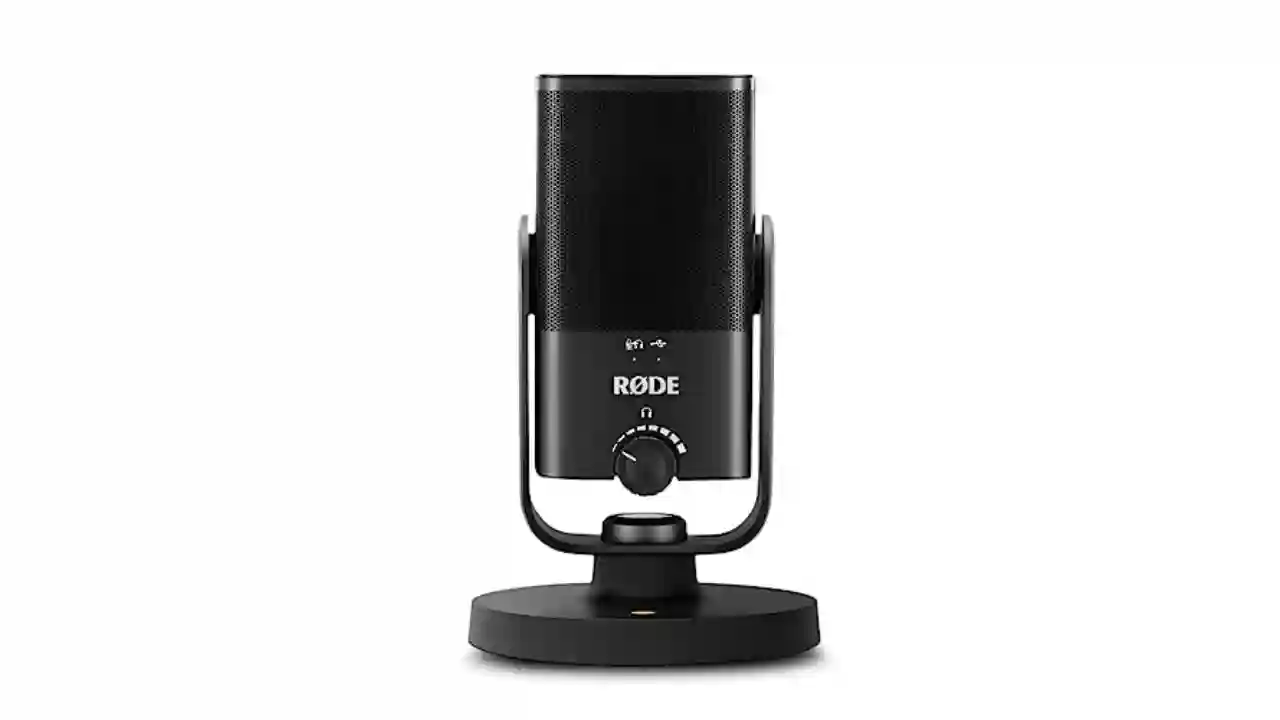
If you want something smaller and more affordable, the RØDE NT-USB Mini is a reliable alternative. It is compact, durable, and easy to transport, though its condenser capsule means it will pick up more room noise than the Shure.
Specialized Mobile Microphones
Musicians will appreciate the flexibility of the Tula Mic, which combines onboard recording, instrument support, and a compact design. It allows ideas to be captured instantly, even without a phone nearby, making it ideal for songwriting and practice sessions.
For professional reporters, the RØDE Interview Pro offers a classic handheld design with modern wireless features. Its onboard storage and timecode support make it a powerful tool for serious field work.
Field recordists should look to the Shure MoveMic 88+, which solves common placement problems with a wireless design and multiple polar patterns. It excels at capturing everything from subtle nature sounds to immersive stereo environments.
How We Test Mobile Microphones
Testing mobile microphones requires real-world use rather than lab-only measurements. Each microphone is recorded in treated rooms, untreated spaces, and outdoor environments to evaluate clarity, noise handling, and consistency. Wireless systems are tested for range stability and battery life, while podcast microphones are evaluated for self-noise and performance at varying distances.
Comparisons are made against established reference microphones to ensure fair evaluation. The goal is always the same: determine whether a microphone sounds great, connects reliably to a phone, and offers good value for its intended purpose. Different users have different needs and budgets, and the best mobile microphone is ultimately the one that fits your workflow without getting in the way of creativity.