
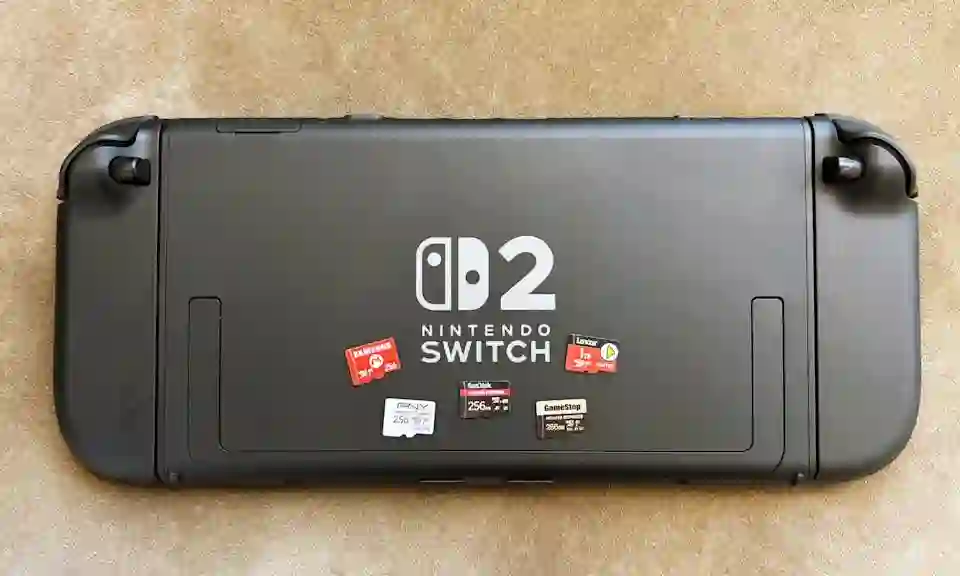
Selecting the right microSD card is a critical decision for expanding the storage of modern devices, from gaming handhelds and action cameras to drones and smartphones. While many cards on the market meet basic functionality, significant differences in speed, reliability, and value separate the average from the exceptional. As we move into 2026, the landscape is defined by two key tiers: highly capable and affordable UHS-I cards for general use, and the emerging, ultra-fast microSD Express standard, which is currently essential only for the Nintendo Switch 2. This guide distills extensive testing and market research to highlight the cards that deliver the best performance for your investment, ensuring your device operates smoothly whether you’re recording 4K video, loading expansive game libraries, or transferring large files.
Lexar Professional Silver Plus: The All-Around Champion
For the vast majority of users, the Lexar Professional Silver Plus represents the ideal balance of speed, durability, and cost. This UHS-I card consistently outperformed competitors in our sequential read and write benchmarks, often exceeding its advertised speeds when paired with a compatible reader. It carries all the essential ratings—U3, V30, A2—guaranteeing smooth 4K video recording and efficient application performance. Beyond raw speed, it is built to withstand harsh conditions with an IPX7 waterproof rating and is backed by a lifetime limited warranty. Available in capacities from 128GB to 1TB, it has consistently been priced aggressively, often undercutting slower alternatives. For expanding a Steam Deck, GoPro, or any device that doesn’t require the cutting-edge microSD Express interface, the Silver Plus delivers exceptional value without compromise.
Samsung Pro Plus: A Strong and Reliable Runner-Up
The Samsung Pro Plus remains a top-tier choice, particularly when market fluctuations place it at a compelling price point. While its sequential write speeds trail the Lexar Silver Plus, its performance is still robust, easily handling demanding tasks like high-bitrate video recording. It excels in random read and write operations, making it an excellent companion for gaming devices where accessing numerous small files is common. Available in capacities up to 1TB and backed by a ten-year warranty, it is a product of proven reliability from a trusted brand. Consumers should ensure they are purchasing the latest model with 180MB/s read speeds, as older variants may still be in circulation. When priced competitively, the Pro Plus is a worthwhile alternative to our top pick.
Samsung Evo Select: Budget-Conscious Expansion
For users whose primary need is affordable storage expansion rather than maximum performance, the Samsung Evo Select presents a viable option. It is a clear step down in sequential write speed and is not recommended for serious photography or videography. However, its sequential and random read speeds are sufficient for general file storage, media playback, and less demanding applications. Its greatest asset is its frequent and deep discounting, making high capacities like 512GB and 1TB accessible at very low cost-per-gigabyte ratios. For archiving files or adding bulk space to a device where instant loading is not critical, the Evo Select delivers acceptable functionality from a reputable brand without straining the wallet.
The microSD Express Landscape for Nintendo Switch 2
The Nintendo Switch 2’s exclusive use of the microSD Express standard has created a unique and currently expensive niche. These cards offer transformative speeds, with sequential reads nearing 900MB/s, but they are only necessary for this single, popular device. Our testing revealed that in actual gameplay, loading time differences between various Express cards are minimal, often just a few seconds apart. The more noticeable gap appears when transferring large game files between the console’s internal storage and the card. Therefore, the purchasing decision should primarily hinge on capacity and price rather than chasing marginal speed advantages. Given the spotty stock and high prices, we recommend prospective buyers prioritize getting at least 256GB of storage from any reputable brand—be it SanDisk, Lexar, Samsung, or PNY—and consider waiting for prices to fall as production scales up.
Key Considerations When Purchasing a microSD Card
Understanding a few core specifications is essential for making an informed purchase. Capacity needs should be your first consideration; 128GB or 256GB are typical sweet spots, while 512GB and 1TB offer better value for heavy users. Speed classes are your guarantee of minimum performance: look for the V30, U3, and A2 ratings as a baseline for smooth 4K video and responsive app performance. The bus interface is equally important; UHS-I cards satisfy most needs, while the faster UHS-II and microSD Express standards command premium prices and require compatible hardware. Always purchase from authorized, reputable retailers to avoid counterfeit products, and consider that you may need a specific card reader to achieve a card’s maximum advertised speeds. A robust warranty is also a key indicator of a manufacturer’s confidence in their product’s longevity.