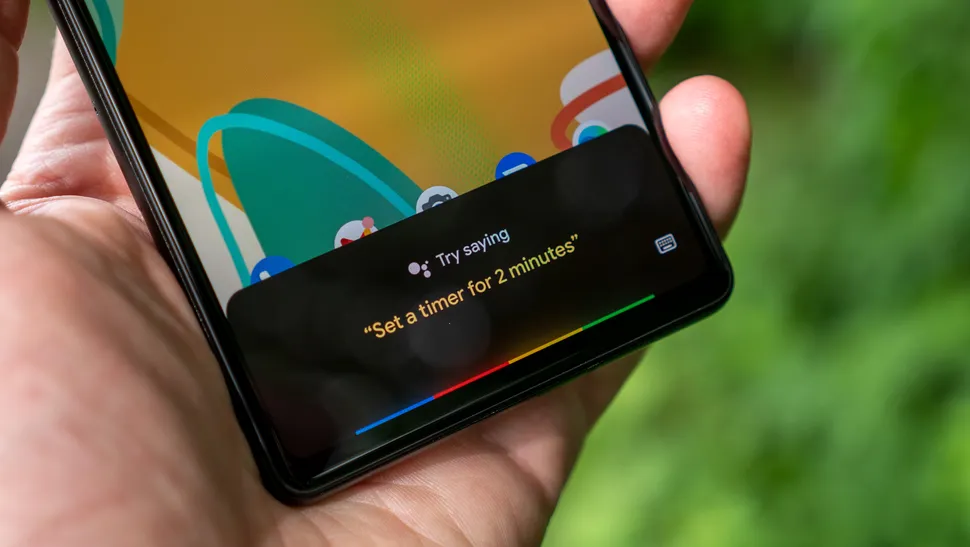
Google’s ambitious plan to fully replace its longstanding Google Assistant with Gemini across mobile devices faces a strategic delay, ensuring the familiar voice companion endures into 2026 rather than vanishing by year’s end. This timeline adjustment prioritizes seamless user migration amid the decade-long Assistant legacy that revolutionized smart interactions since its 2016 debut. By extending support, Google balances innovation momentum with reliability, avoiding disruptive cutoffs that could alienate millions reliant on established routines.
Background on the Original Transition Plan
Announced in March 2025, Google’s roadmap targeted Assistant’s complete sunset from Android devices and Play Store listings by December 31, ushering in “Hey Gemini” ubiquity. The shift promised advanced AI capabilities—contextual understanding, multimodal processing, personalized insights—unattainable by the decade-old Assistant architecture. Early rollouts integrated Gemini into Assistant interfaces, blending old commands with new intelligence while preserving voice familiarity.
This evolution mirrored broader industry consolidation: Siri enhancements, Alexa rebrands, and Cortana retirements reflect voice AI maturation demanding unified platforms. Google’s dual-assistant era created redundancy, confusing users toggling between “OK Google” reliability and Gemini experimentation. The forced convergence aimed to streamline development, channeling resources toward frontier models rather than legacy maintenance.
Reasons Behind the Timeline Extension
Google’s community update cites “seamless transition” needs, hinting at technical hurdles in scaling Gemini’s complexity across billions of devices. Assistant’s battle-tested infrastructure handles basic tasks—alarms, navigation, smart home control—with unmatched stability; premature replacement risks widespread frustration during holidays or peak usage. Edge cases like offline functionality, regional accents, and device fragmentation demand rigorous validation absent in rushed deployments.
User feedback likely influenced recalibration: early Gemini integrations surfaced quirks in routine queries, eroding trust among Assistant loyalists. Enterprise integrations, automotive systems, and accessibility features tied to Assistant require methodical migration paths. Pushing into 2026—Assistant’s tenth anniversary—allows phased rollouts, A/B testing, and fallback mechanisms preserving continuity.
Gemini’s Superior Capabilities
Gemini elevates assistance beyond scripted responses, leveraging multimodal reasoning for image analysis, code generation, and predictive workflows. Personalization deepens through cross-app memory, anticipating needs like calendar conflicts or recipe substitutions. On-device processing enhances privacy, executing complex tasks without cloud roundtrips—crucial for Wear OS watches and Nest hubs.
2025 updates expanded Gemini’s footprint: Pixel Watch integration enables wrist-based queries, while Home editions power smart displays with proactive suggestions. The transition promises unified intelligence across ecosystem touchpoints, eliminating silos separating phone, watch, and speaker experiences. Voice naturalness improves through advanced synthesis, rivaling human conversational flow.
User Impact and Migration Strategy
Delay benefits casual users avoiding disruption during routine reliance—commutes, reminders, music control—while power users experiment voluntarily. Google pledges continued Assistant updates alongside Gemini expansion, potentially hybrid modes blending both temporarily. Detailed guidance arrives “in coming months,” likely including setup wizards, command mappings, and personality customization preserving beloved quirks.
Third-party developers gain breathing room adapting skills from Assistant APIs to Gemini endpoints. Automotive integrations like Android Auto evolve gradually, preventing in-car distractions during handoffs. The extension underscores Google’s enterprise caution: billions in ecosystem investments demand flawless execution over hasty overhauls.
Broader AI Assistant Landscape
This recalibration reflects maturing voice AI realities—hype meets deployment friction. Competitors face similar tensions: Apple’s Intelligence delays, Amazon’s Alexa redesigns grapple with legacy entrenchment versus generative leaps. Google’s measured approach contrasts aggressive pivots elsewhere, prioritizing retention amid ChatGPT, Grok, and Claude challengers.
2026 rollout coincides with Gemini 3 advancements, potentially introducing agentic behaviors—autonomous task execution, cross-device orchestration. Marking Assistant’s decade, the transition celebrates evolution: from reactive queries to proactive companionship. Users retain choice through 2026, but Gemini’s sophistication foretells inevitable supremacy, redefining digital assistance for intelligence-first era.