
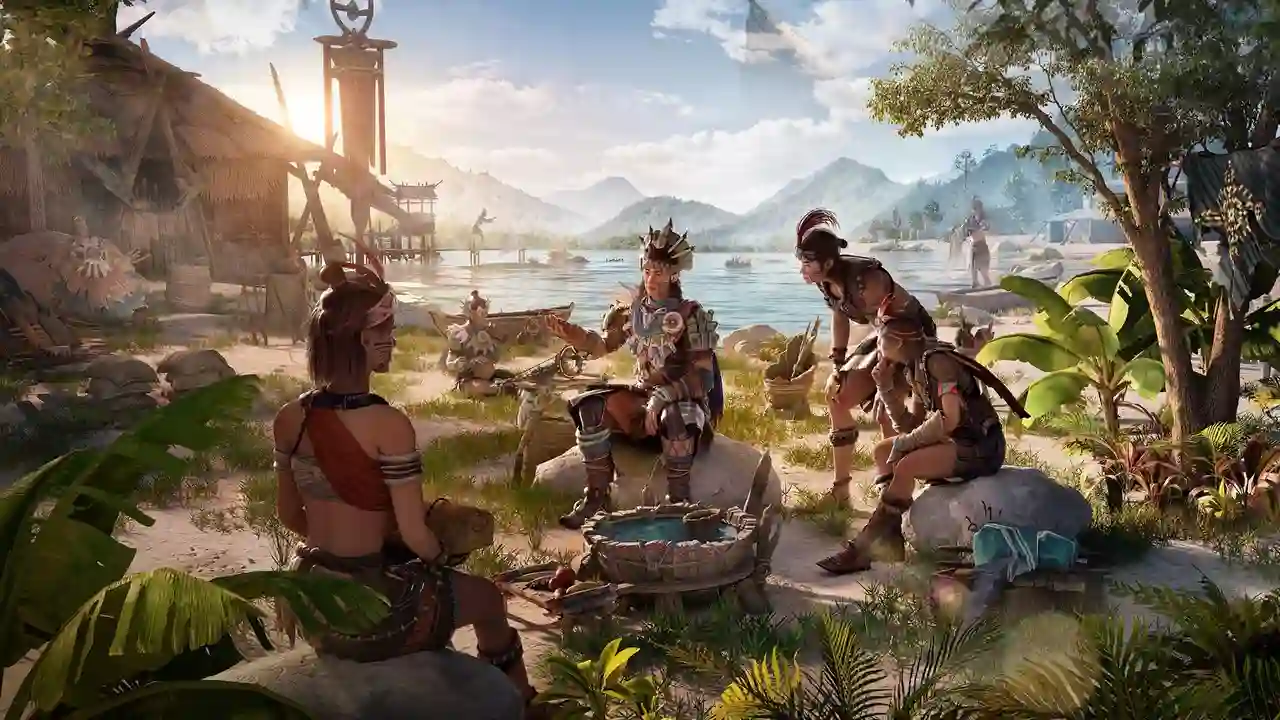
Sony and Tencent have resolved their high-profile copyright dispute over a game accused of closely mimicking the Horizon franchise, marking a quiet end to what could have been a landmark battle in gaming intellectual property law. The companies announced a confidential settlement, leading to the dismissal of Sony’s lawsuit filed earlier in 2025. With Light of Motiram now removed from major digital storefronts like Steam and Epic Games Store, the case underscores the growing tensions between global gaming giants over originality and inspiration in blockbuster titles.
The Origins of the Lawsuit
Sony Interactive Entertainment launched its legal action in July 2025, targeting Tencent’s upcoming title Light of Motiram as a blatant rip-off of Horizon Zero Dawn. The complaint detailed numerous similarities, from the core premise of a post-apocalyptic world where tribal humans battle robotic creatures, to character designs, environmental art, and even promotional imagery. Sony described the game as a “slavish clone,” arguing that Tencent had gone beyond mere genre homage into direct infringement of protected creative elements.
Tencent initially pushed back, defending the project as an original work while continuing public testing and marketing efforts. However, by early December, the Chinese tech powerhouse agreed to halt promotion and beta testing, signaling a shift toward negotiation. Court documents confirm that both parties reached an undisclosed agreement, prompting the voluntary dismissal under Rule 41(a)(1)(A)(ii). Neither side disclosed financial terms, but the swift removal of Light of Motiram from storefronts suggests concessions from Tencent.
Similarities That Sparked the Fire
At the heart of Sony’s claims were striking visual and thematic parallels. Horizon Zero Dawn, developed by Guerrilla Games, features Aloy navigating overgrown ruins filled with mechanical beasts resembling prehistoric animals. Light of Motiram echoed this with comparable landscapes, machine enemies, and protagonist archetypes wielding bows and spears against towering robotic foes. Marketing materials amplified the resemblances, using similar color palettes, lighting effects, and dramatic action poses that evoked Horizon’s cinematic trailers.
Sony extended its allegations to later entries like Horizon Forbidden West and the playful Lego Horizon Adventures, pointing to replicated UI elements, combat mechanics, and narrative motifs. Industry observers noted that while open-world action RPGs often share tropes—bow-based ranged attacks, crafting systems, tribal lore—Tencent’s execution crossed into territory that felt derivative rather than innovative.
Implications for Gaming IP Protection
This settlement highlights the challenges of enforcing copyrights in an era of global development and rapid iteration. Sony’s aggressive stance serves as a warning to studios emulating successful formulas, particularly those borrowing heavily from visual styles and world-building. Tencent, with its vast resources and partnerships across gaming, publishing, and tech, likely weighed the costs of prolonged litigation against the value of a clean exit.
For developers, the case reinforces the importance of original asset creation and legal reviews during pre-production. While inspiration remains fair game, direct asset replication or overly faithful recreations risk courtroom scrutiny. The confidential nature of the resolution leaves questions unanswered—did Tencent pay licensing fees, alter the game, or scrap it entirely?—but the outcome benefits Sony by protecting its lucrative Horizon brand ahead of future installments.
Tencent’s Strategic Retreat
Tencent’s decision to delist Light of Motiram reflects pragmatic business sense. As one of the world’s largest gaming entities, the company maintains stakes in Riot Games, Epic Games, and numerous mobile hits. A drawn-out U.S. lawsuit could have deterred partners and complicated international expansions. Instead, settling preserves Tencent’s reputation while allowing focus on less contentious projects.
The spokesperson’s joint statement emphasized mutual satisfaction: “SIE and Tencent are pleased to have reached a confidential resolution and will have no further public comment.” This diplomatic closure avoids escalation, potentially paving the way for future collaborations in areas like cloud gaming or esports.
Sony’s Defense of Its Crown Jewel
For Sony, Horizon represents a flagship franchise blending narrative depth with stunning visuals, generating billions through games, merchandise, and adaptations. Protecting it from perceived clones safeguards not just revenue but creative integrity. The quick resolution demonstrates Sony’s leverage in U.S. courts, where IP laws favor established rights holders.
| Aspect | Horizon Zero Dawn | Light of Motiram (Alleged) |
|---|---|---|
| Setting | Post-apocalyptic Earth with robotic wildlife | Overgrown ruins, machine beasts vs. humans |
| Protagonist | Red-haired archer Aloy | Similar tribal warrior design |
| Combat | Bow/spear vs. giant robots | Identical weapon styles and enemy types |
| Marketing | Cinematic machine battles | Visually echoed trailers |
The Broader Industry Ripple Effects
Beyond these two giants, the settlement sends ripples through studios worldwide. Chinese developers, increasingly eyeing Western markets, must navigate stricter IP boundaries. Asian markets have historically tolerated looser interpretations of originality, but global platforms demand compliance with U.S. and EU standards.
Independent creators also take note: while fan games thrive in niche communities, commercial releases mimicking AAA titles invite legal peril. Tools like AI-assisted asset generation further blur lines, potentially inviting more suits as detection improves.
Looking Ahead
With Light of Motiram shelved, attention shifts to Horizon’s future. Sony continues expanding the universe via sequels, spin-offs, and rumored live-action projects. Tencent, undeterred, pours resources into original IPs and partnerships like PUBG and League of Legends.
This chapter closes without public acrimony, but it establishes precedent: in gaming’s creative arena, imitation may flatter, yet crossing into replication courts consequences. As franchises grow more valuable, expect vigilant guardians like Sony to defend their visions fiercely, ensuring that inspiration evolves into innovation rather than imitation.