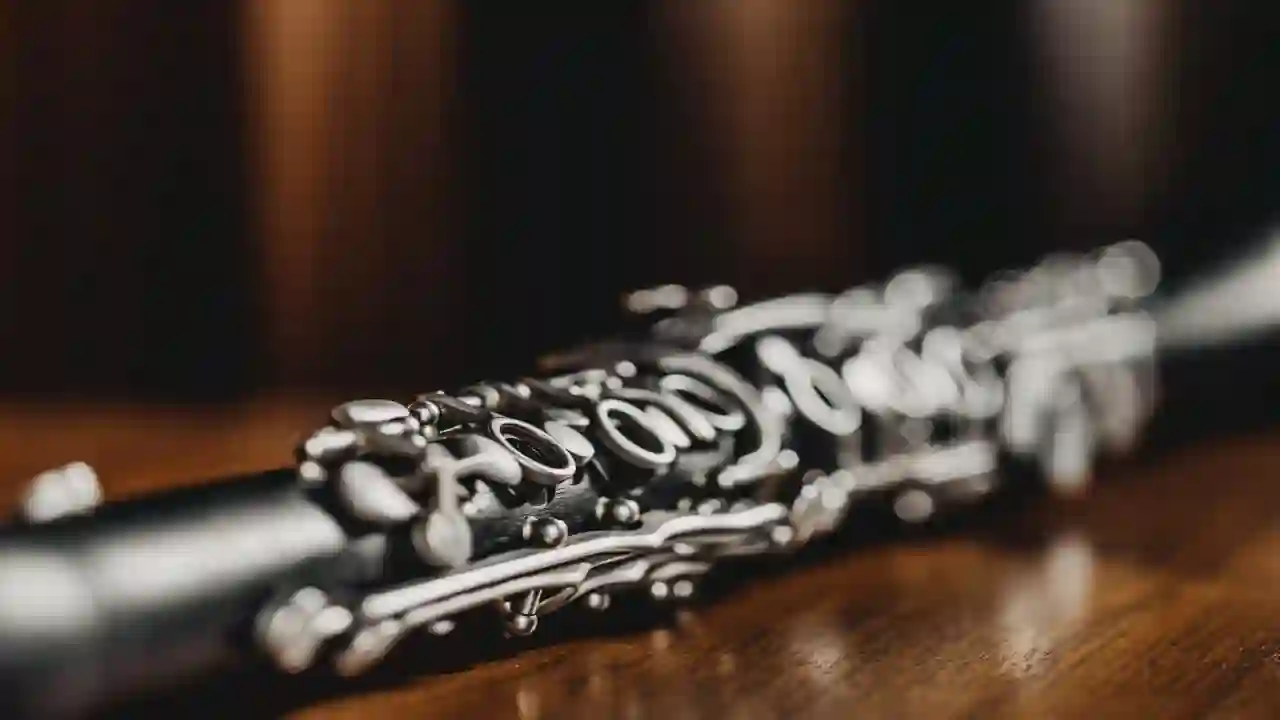
A lockdown at a Florida middle school last week reignited debate about the accuracy and ethics of artificial intelligence in school safety systems when an AI tool mistook a student’s clarinet for a firearm. The incident at Lawton Chiles Middle School once again underscored the growing tension between technological promises of security and the very real human consequences of misidentification.
The AI detection software, called ZeroEyes, is designed to identify weapons on school campuses using live camera feeds. However, when it triggered an alert of a potential gunman, officers rushed to the school expecting to confront an active shooter. According to the police report reviewed by Washington Post, officers were informed that “a man dressed in camouflage” was spotted with what “appeared to be a rifle.” The suspect turned out to be a student participating in a Christmas-themed dress-up day, holding a clarinet as part of his costume.
ZeroEyes’ cofounder, Sam Alaimo, defended the system’s response, claiming that the software acted correctly under a “better safe than sorry” approach. Company representatives reiterated that users—school administrators and security teams—prefer even the smallest doubt to trigger action rather than risk overlooking a genuine threat. The school, according to ZeroEyes, shared this sentiment, insisting that “they were pleased with the detection and response.”
Yet the larger implication of this incident is deeply concerning. Relying on AI systems that may confuse benign classroom items with deadly weapons creates a false sense of safety while increasing psychological stress on students and staff. Human reviewers were supposed to vet the alert, but the process still allowed an unnecessary lockdown to unfold.
The principal later asked parents to remind students not to mimic gestures resembling the handling of weapons. However, these cautions dismiss the fundamental flaw—AI’s inability to fully comprehend context. Previous cases have shown similar errors: one student arrested because AI mistook his Doritos bag for a gun, and others flagged for holding props or even walking through shadows misread as firearms. Each false alarm amplifies doubts about whether these technologies bring more harm than security.
### Cost and Comparison of AI Security Systems
The widespread interest in AI school surveillance systems has sparked both optimism and criticism, largely due to the significant investments involved. Districts across 48 states have adopted ZeroEyes to enhance their surveillance capabilities, with proponents claiming its rapid gun detection could save lives. Yet critics argue that in the absence of proven results, such spending diverts vital resources away from programs that directly support students.
Florida’s Seminole County Public Schools (SCPS) reportedly plans to expand its ZeroEyes coverage significantly, with a proposal seeking $500,000 for 850 additional cameras. Supporters argue that increased surveillance coverage equates to safer campuses, but evidence supporting that claim remains thin. SCPS has refused to disclose whether any real firearms have ever been caught by the system since its 2021 installation.
Experts argue that false positives can create two major dangers. First, overwhelming police responses to harmless situations could inadvertently escalate into hazardous encounters. Second, repeated false alarms risk desensitizing law enforcement, potentially dulling urgency during an actual threat. Beyond safety, the repeated lockdowns disrupt learning, induce panic, and damage students’ sense of security within their own schools.
### Broader Implications and Expert Concerns
School safety consultant Kenneth Trump and others categorize such technologies as “security theater”—an illusion of security that exploits fear rather than providing concrete solutions. They note that companies often market their products as life-saving tools without transparent data demonstrating tangible benefits. For instance, ZeroEyes touts over 1,000 weapon detections but does not disclose how many of these were confirmed as real.
Furthermore, the rapid growth of these companies suggests a profit-driven expansion more than a safety mission. ZeroEyes reported a 300 percent revenue increase between 2023 and 2024. These numbers reflect how fear of potential school shootings has become a powerful commercial asset in the educational technology sector.
Experts insist that genuine safety lies not only in technology but also in human-centered measures—like improving mental health services, conflict resolution programs, and trained school counselors. These methods, while less sensational or immediate than AI alerts, have a proven track record of preventing violence and improving student well-being.
### How Schools Can Responsibly Adopt AI Safety Systems
– Evaluate all AI vendors for transparency about false-positive rates and real detection accuracy.
– Train staff to manually verify flagged incidents before escalating to law enforcement.
– Implement independent audits to measure effectiveness and cost-efficiency.
– Prioritize student privacy protections to prevent invasive surveillance practices.
– Balance AI budgets with parallel mental health and safety initiatives.
### Conclusion
The clarinet incident in Florida is not an isolated mistake—it is a cautionary tale of overreliance on technology to solve complex human issues. While AI detection systems like ZeroEyes promise proactive defense against school shootings, their errors introduce new risks, financial burdens, and emotional strain. Until these systems demonstrate consistent reliability, schools may need to reconsider whether the illusion of safety is worth the very real price of fear and confusion.