ReStory invites players to run a nostalgic Tokyo electronics repair shop set in the mid-2000s, fixing iconic gadgets while building heartfelt customer connections. This upcoming indie from Mandragora blends cozy simulation with emotional storytelling, contrasting sharply with grittier repair sims like Kaizen. Currently in playtesting on Steam with a 2026 release planned, ReStory captures Y2K tech culture through hands-on tinkering and slice-of-life drama.
Iconic Gadgets Bring Back Y2K Nostalgia
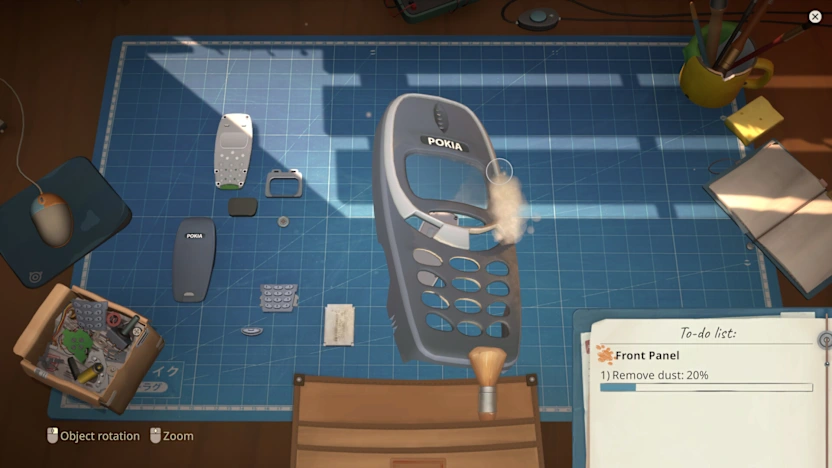
The trailer showcases lovingly recreated devices: Tamagotchi-like virtual pets demanding pixel-perfect screen repairs, indestructible Nokia bricks with snake game glitches, PSP handhelds needing laser recalibration, and Walkman cassette decks with sticky mechanisms. Each repair mini-game teaches real techniques—cleaning ribbon cables, replacing capacitors, polishing housings—while unlocking customer backstories tied to their cherished tech.
Progression unlocks rarer finds: iPod click wheels, Game Boy Advance SPs, early digital cameras. Shop upgrades expand workbench space, acquire specialized tools, and display repaired curios as conversation starters. Seasonal events bring gadget rushes—back-to-school Game Boys, holiday MP3 player surges.
Customer Stories Drive Emotional Depth
Beyond mechanical fixes, ReStory emphasizes human connections. A salaryman’s Walkman holds mixtapes from lost love; a teen’s Tamagotchi survived family tragedy; an elderly customer’s Nokia connects to distant grandchildren. Repair quality and conversation choices influence endings—perfect fixes strengthen bonds; rushed jobs strain relationships.
Dialogue trees blend Japanese small-talk etiquette with universal repair shop banter. Mini-quests emerge organically: source rare parts through neighborhood networks, recommend accessories, follow up on customer life events. Reputation system attracts influencers, collectors, and celebrities seeking discreet vintage servicing.
Cozy Gameplay Contrasts Kaizen’s Grit
| Aspect | ReStory | Kaizen |
|---|---|---|
| Tone | Heartwarming cozy | Dark industrial |
| Setting | Tokyo neighborhood | Dystopian factory |
| Gadgets | Consumer nostalgia | Broken machinery |
| Customers | Emotional arcs | Desperate workers |
Authentic Mid-2000s Tokyo Atmosphere
Mandragora captures early smartphone transition era: flip phones dominate, iPods symbolize cool, arcades buzz nearby. Shop radio plays J-pop hits and enka ballads; seasonal festivals bring costume repairs and festival photo booth fixes. Neighborhood progression unlocks ramen stands, manga cafes, karaoke bars for expanded stories.
Dynamic day-night cycle affects business: salarymen rush evening repairs, students hit after-school hours, weekend collectors browse display cases. Weather impacts foot traffic—rainy days boost indoor shelter seekers sharing gadget war stories.
Mastering Repair Mini-Games
- Select gadget from customer intake counter; diagnose via visual/auditory cues.
- Gather tools from organized workbench (upgrades unlock precision kits).
- Execute multi-step repairs: disassembly, cleaning, part replacement, reassembly.
- Test functionality through era-specific mini-games (Snake, virtual pet feeding).
- Polish exterior, apply protective stickers, return to beaming customer.
- Log repair in digital notebook for sequel callbacks and reputation boosts.
Playtesting and 2026 Roadmap
Steam playtests welcome tinkerers to shape core loop—balance repair complexity versus cozy pacing, refine customer dialogue trees, vote on additional gadgets. Mandragora commits to post-launch expansions: international shop branches ( Akihabara, LA’s Japan Town), multiplayer co-op repairs, mobile port for portable nostalgia.
ReStory fills cozy sim niche with tech-specific charm, teaching repair skills while evoking universal attachment to personal devices. Unlike preservationist museums, it celebrates functionality—bringing dead batteries back to life mirrors human second chances. For millennials reliving youth and Gen Z discovering retro tech, Mandragora delivers pixel-perfect nostalgia therapy, one fixed headphone jack at a time.