
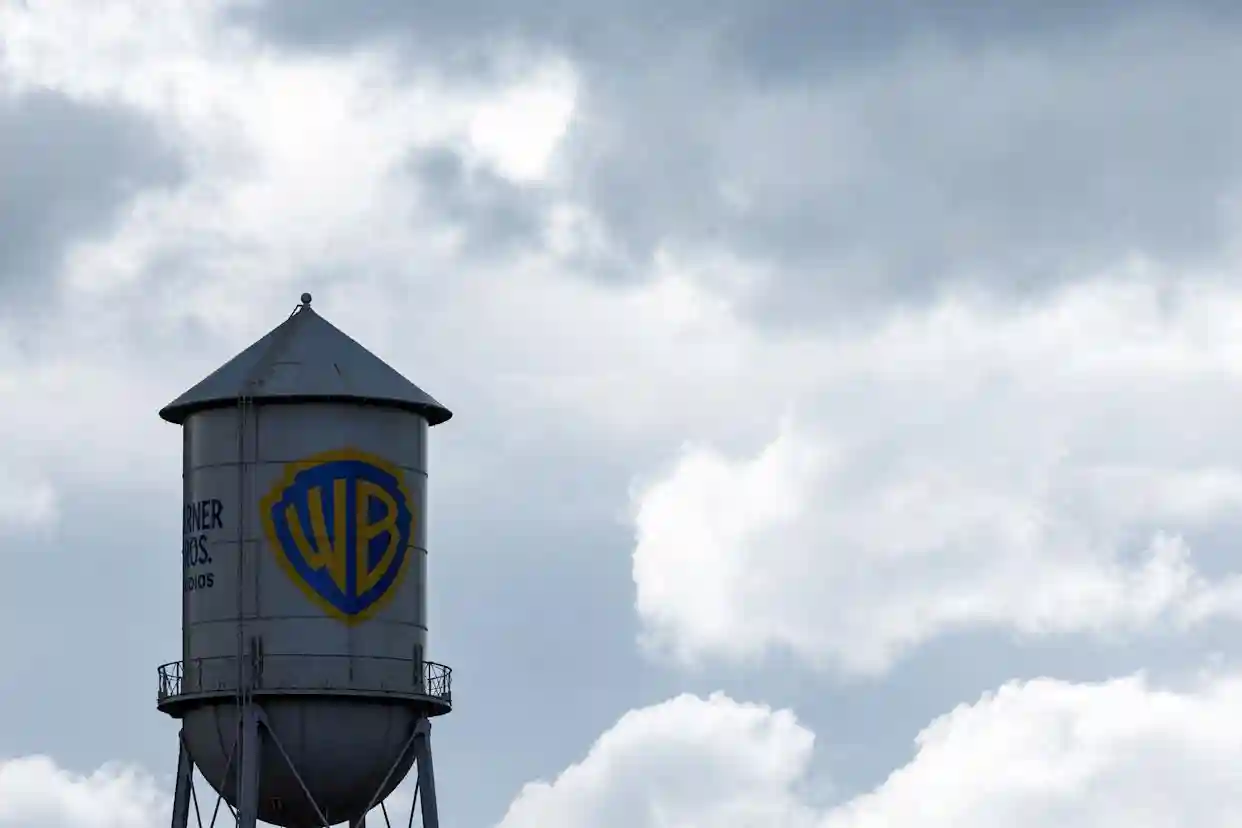
Paramount has escalated Hollywood’s corporate battlefield with a dramatic $108.4 billion all-cash hostile takeover offer for Warner Bros. Discovery (WBD), directly challenging Netflix’s recently accepted $82.7 billion deal. Valued at $30 per share, the bid targets all of WBD — including its soon-to-be-spun-off cable networks — and expires January 8, bypassing WBD’s board to appeal straight to shareholders frustrated with the Netflix agreement. This aggressive move arrives just days after WBD unanimously endorsed Netflix’s $27.75 per share proposal, positioning Paramount as the disruptor in a high-stakes merger frenzy.
The Paramount offer dwarfs Netflix’s in scope and premium, representing a 139% markup over WBD’s undisturbed September stock price. While Netflix targets only WBD’s streaming (HBO Max) and studios division, Paramount seeks the complete portfolio, absorbing the debt-laden Global Networks cable assets that WBD planned to separate by late 2026.
Key Differences in the Competing Bids
| Aspect | Netflix Offer | Paramount Offer |
|---|---|---|
| Value | $82.7 billion | $108.4 billion |
| Per Share | $27.75 ($23.25 cash + $4.50 stock) | $30 all-cash |
| Scope | Streaming + Studios only | All of WBD (incl. cable) |
| Timeline | Post-2026 split | Immediate tender offer |
| Financing | Netflix equity/debt | $40.7B Ellison family + banks |
Paramount argues WBD overvalues the struggling cable side, burdened by $34.5 billion in gross debt that would transfer to Discovery Global.
Financing Backed by Ellison Empire and Global Players
Paramount’s bid boasts robust commitments: $40.7 billion from CEO David Ellison’s family (backed by Oracle co-founder Larry Ellison) and RedBird Capital, plus $54 billion in debt from Bank of America, Citi and Apollo. Additional supporters include Jared Kushner’s Affinity Partners and sovereign wealth funds from Saudi Arabia, Qatar and Abu Dhabi. Notably absent: Tencent, which backed prior offers.
This financial firepower underscores Paramount’s determination post its $8 billion Skydance acquisition earlier this year. The all-cash structure appeals to shareholders seeking certainty amid volatile media stocks.
Paramount Slams WBD’s Sale Process
In a scathing letter to WBD CEO David Zaslav, Paramount accused management of ignoring six proposals over 12 weeks while favoring Netflix. “WBD never engaged meaningfully with these proposals which we believe deliver the best outcome for shareholders,” the company stated, questioning the “fairness and adequacy” of the process.
Paramount positions its bid as superior, claiming less regulatory risk than Netflix’s merger — which combines streaming giants and faces antitrust scrutiny globally. Executives cite Paramount’s smaller scale and Trump administration ties, especially after navigating its own merger approval.
President Trump’s recent comments amplify doubts: “Netflix’s bid has got to go through a process… it is a big market share. It could be a problem.” This political angle bolsters Paramount’s narrative of smoother clearance.
WBD and Netflix Push Back
WBD acknowledged the bid but reaffirmed its Netflix recommendation, promising a formal response by December 19. “Shareholders should not take any action at this time,” the company urged, signaling internal deliberations.
Netflix co-CEO Ted Sarandos dismissed the challenge: “Paramount’s offer was entirely expected. We have a deal done… great for shareholders, consumers and jobs. We’re super confident we’ll get it across the line.” The streamer emphasizes execution certainty over Paramount’s debt-heavy proposal.
Strategic Stakes for Hollywood Consolidation
A Paramount-WBD merger would create a colossus blending CBS, Paramount+, HBO Max, Warner studios, CNN and Discovery channels — rivaling Disney in scope but burdened by legacy cable declines. Netflix seeks premium content (HBO libraries, DC films) to fuel subscriber growth without cable drag.
Shareholder math favors Paramount’s premium, but debt assumptions and regulatory paths complicate acceptance. WBD’s $34.5 billion leverage amplifies risks, potentially diluting value in Global Networks.
Timeline and Next Moves
– December 19: WBD’s formal recommendation due.
– January 8: Paramount tender offer expires.
– Q3 2026: Planned WBD split (if Netflix prevails).
Wall Street watches closely: Paramount stock surged on announcement, while WBD dipped amid uncertainty. Analysts split on outcomes — some see Paramount’s cash trumping Netflix’s stock component; others favor the cleaner streaming carve-out.
Broader Industry Ramifications
This saga accelerates media consolidation amid cord-cutting and streaming wars. Success for either bidder reshapes content licensing, theatrical windows and global rights battles. Paramount eyes HBO Max integration into Paramount+; Netflix bolsters originals with Warner IP.
Political undercurrents loom large: Ellison-Trump ties versus Netflix’s Sarandos lobbying. Antitrust enforcers face precedent-setting reviews, balancing innovation against market power.
For investors, the premium chase highlights media’s distressed valuations. Cable’s sunset forces reinvention — whether through full mergers or strategic splits. As bids evolve, Hollywood’s future hangs on shareholder votes, regulatory nods and boardroom maneuvers.