
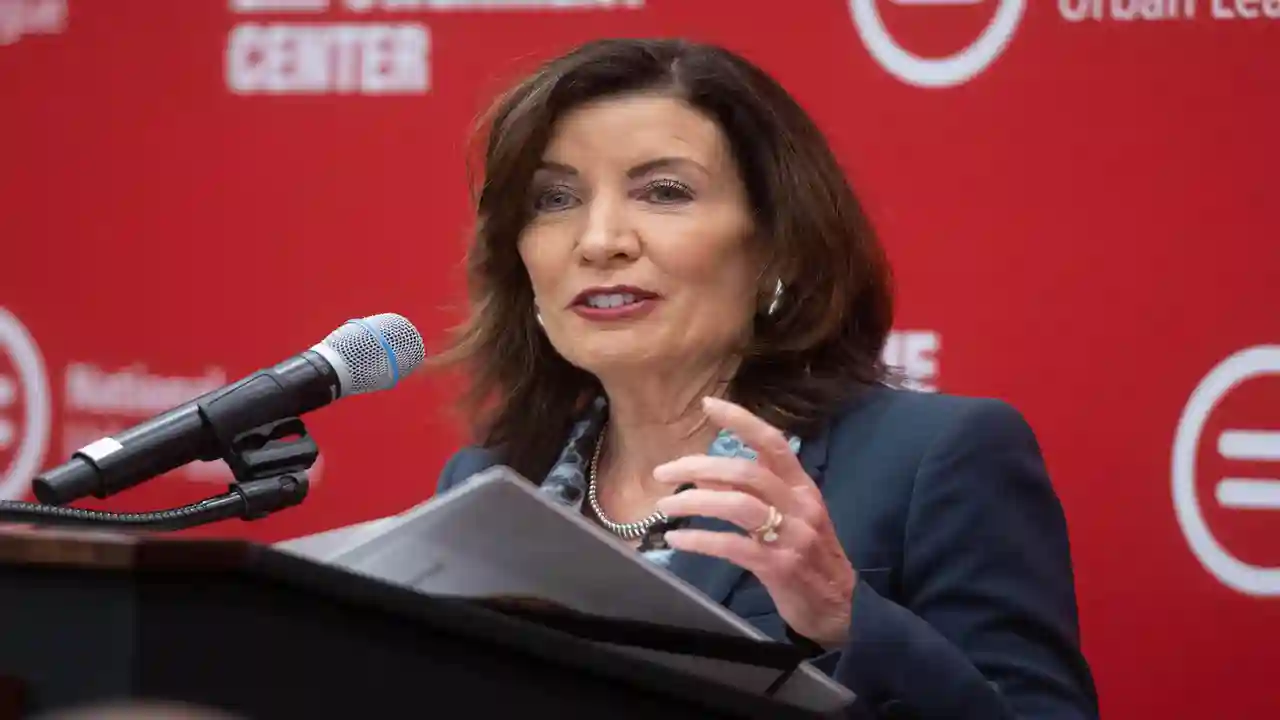
New York State Governor Kathy Hochul has signed two landmark bills regulating AI in entertainment, mandating disclosure of AI-generated performers in advertisements and requiring posthumous consent for commercial use of a person’s likeness. These measures establish transparency standards amid rising deepfake concerns, protecting artists while adapting to generative technology’s rapid evolution.
Key Provisions of the New Laws
Assembly Bill A8887B (S.8420-A) targets advertising, compelling producers to clearly identify AI-synthetic performers in any promotional content. This addresses deceptive deepfakes mimicking celebrities to endorse products, ensuring consumers recognize artificial endorsements.
Companion bill S.8391 safeguards deceased individuals’ rights, demanding explicit approval from heirs or executors before exploiting names, images, or likenesses commercially. Governor Hochul emphasized: “We are setting a clear standard that keeps pace with technology, while protecting artists and consumers long after the credits roll.”
Context from SAG-AFTRA Strike
The legislation builds on 2023 SAG-AFTRA contract gains, where actors secured protections against unauthorized digital replicas:
– Explicit consent required for replica creation
– Per-use approval and pre-negotiated compensation
– Union oversight of AI training data
New York’s rules extend these workplace safeguards to advertising and posthumous exploitation, filling gaps in state law.
State vs Federal AI Regulation Clash
New York’s proactive stance contrasts federal pushback:
| Jurisdiction | Approach | Key Features |
|---|---|---|
| New York | Strict disclosure | AI performer labeling, posthumous consent |
| California | Deepfake bans | Political ads, election protections |
| Federal (proposed) | Preemption attempts | 10-year state ban in budget drafts |
Tech advocates, including White House Advisor David Sacks, pursue executive orders blocking state laws. President Trump’s announced AI order signals potential moratorium favoring industry innovation over localized rules.
Industry Impact Analysis
Advertisers face compliance burdens:
– Mandatory disclaimers in video/audio/text ads
– Heir notification processes for deceased talent
– Potential fines for non-disclosure
Benefits include consumer trust restoration and ethical deepfake deterrence. Studios gain clarity on replica usage, reducing litigation risks.
Creators celebrate protections against unauthorized likeness theft, echoing SAG-AFTRA’s “consent at every step” principle.
Broader National AI Legislation Trends
New York joins 15+ states with 2025 AI bills:
– Tennessee: “Elvis Act” protects voice/image rights
– Texas: Deepfake election ad prohibitions
– Illinois: Biometric data safeguards
Federal gridlock empowers states as laboratories of democracy, testing disclosure models amid congressional inaction.
Challenges and Enforcement Questions
Implementation hurdles loom:
– Detection technology for subtle AI blending
– International jurisdiction for global campaigns
– First Amendment challenges to disclosure mandates
Attorney General oversight ensures compliance, with civil penalties incentivizing adherence. Tech firms may lobby for exemptions, citing innovation burdens.
Global Context and Future Outlook
Europe’s AI Act imposes risk-based tiers; China’s mandates watermarking. US state patchwork foreshadows federal compromise or continued fragmentation.
Trump administration’s pro-innovation stance may favor voluntary guidelines over mandates, testing New York’s durability. Success could inspire national standards balancing creativity with consumer protection.
These laws pioneer AI accountability in entertainment’s heartland—New York’s production hub. By requiring transparency and consent, the state asserts human agency over synthetic mimicry, setting precedent as deepfakes infiltrate commerce and culture.