Netflix’s staggering $80 billion acquisition bid for Warner Bros. positions the streaming titan to absorb Warner Bros. Games, home to blockbuster franchises like Mortal Kombat, Hogwarts Legacy, and Batman: Arkham. Though gaming represents a minor slice of the deal compared to HBO and DC film rights, it delivers instant access to proven revenue engines. Hogwarts Legacy alone sold over 30 million copies in 2023, outpacing many theatrical releases.
Premier Franchises Netflix Would Control
Warner Bros. Games boasts a diverse portfolio primed for streaming synergy. Hogwarts Legacy’s sequel at Avalanche Software promises Harry Potter universe expansion, potentially tying into HBO’s upcoming series reboot. TT Games’ Lego Star Wars: The Skywalker Saga proved Lego titles’ enduring appeal, with Lego Batman: The Legacy of the Dark Knight slated for 2026 in an Arkham-inspired open world.
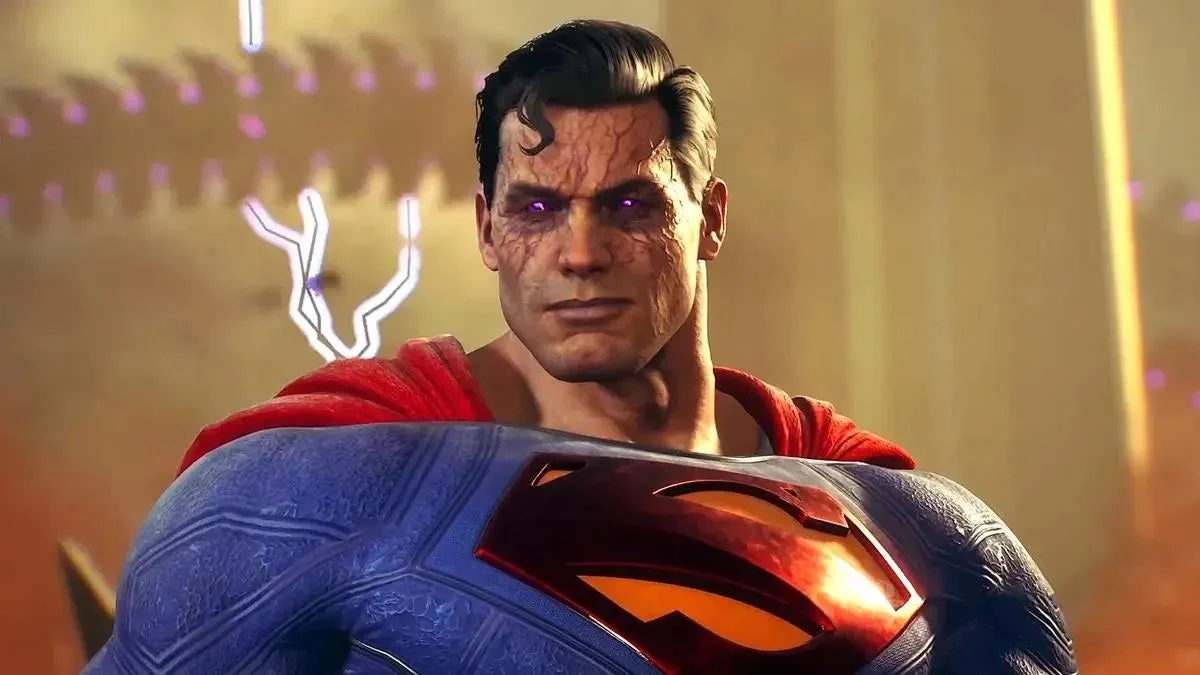
Mortal Kombat endures as a fighting game staple, with NetherRealm Studios shifting from Mortal Kombat 1 DLC to its next project—likely Injustice 3 featuring a villainous Superman. These IPs carry massive cultural cachet and proven monetization through sequels, DLC, and merchandise.
Rocksteady Studios’ Rocky Road Back to Arkham
Rocksteady Studios, creators of Batman: Arkham City and Arkham Knight, faces redemption after Suicide Squad: Kill the Justice League’s catastrophic $200 million loss. Leadership pushed the live-service shooter despite internal doubts, tarnishing the studio’s reputation. Recent reports indicate a return to single-player Arkham roots, though new development cycles demand years and escalating budgets.
The studio’s pivot underscores AAA gaming’s high-risk environment, where one flop erases decades of goodwill. Netflix inherits this talent pool alongside fragile morale, testing its ability to nurture premium development.
Warner Bros. Games’ Recent Bloodbath
Warner Bros. Discovery’s cost-cutting spree decimated the division. Player First Games (MultiVersus), WB San Diego (free-to-play AAA), and Monolith Productions (Wonder Woman adaptation, ex-Shadow of Mordor devs) suffered mass layoffs or closures. Monolith lost key leadership after pivoting from original IP to licensed fare.
Publishing head David Haddad exited after a decade amid these failures. CEO David Zaslav’s erratic oversight—premature project reveals during earnings calls—exacerbated chaos without strategic vision beyond stock boosts.
Netflix’s Proven Gaming Struggles
Netflix’s gaming foray crumbled despite aggressive investments. Acquisitions like Night School Studio (Oxenfree), Spry Fox (Cozy Grove), and AAA outfit Team Blue (Overwatch/Halo vets) yielded low engagement despite bundling Hades and GTA Trilogy with subscriptions. The company quietly shuttered Team Blue, abandoned indies, and sold Spry Fox after three years—though Spirit Crossing survives independently.
Player counts barely registered amid mobile app overload. Netflix now pivots to low-risk party games and quick licensed tie-ins for Squid Game or Bridgerton, abandoning AAA ambitions.
Uncertain Future for Acquired Assets
Warner Bros. Games fills Netflix’s voids: established IPs, proven studios, blockbuster potential. Yet Netflix’s conference call relegated games to a footnote slide, signaling low priority. Co-CEOs Ted Sarandos and Greg Peters ignored gaming specifics despite Hogwarts Legacy’s dominance.
Possible outcomes range from strategic neglect to opportunistic synergy—like Lego Stranger Things anthologies. AAA scale clashes with Netflix’s mobile-first retreat, risking further studio attrition.
Industry Consolidation’s Bigger Picture
Massive mergers rarely deliver promised efficiencies amid bidding wars and media upheaval. Warner Bros. Games joins consolidation wave driven by monopoly pricing pursuits. Alternatives like Microsoft (layoffs, price hikes), Saudi investors, or fragmented networks offer scant reassurance for creative stability.
Strategic Recommendations for Netflix
– Prioritize single-player sequels over live-service experiments.
– Integrate Warner IPs with streaming originals for cross-promotion.
– Retain Rocksteady/ NetherRealm autonomy with clear long-term roadmaps.
– Leverage Hogwarts/Mortal Kombat for subscription retention via exclusives.
– Avoid further studio closures; invest in morale post-layoffs.
What Happens Next
Regulatory approval remains uncertain amid antitrust scrutiny. Success hinges on Netflix elevating gaming beyond afterthought status. Failure repeats industry pattern: tech giants overpay, mismanage, then divest.
Warner Bros. Games holds untapped potential to bridge Netflix’s content moats. The question: will streaming prioritize pixels alongside plots, or relegate games to perpetual irrelevance?