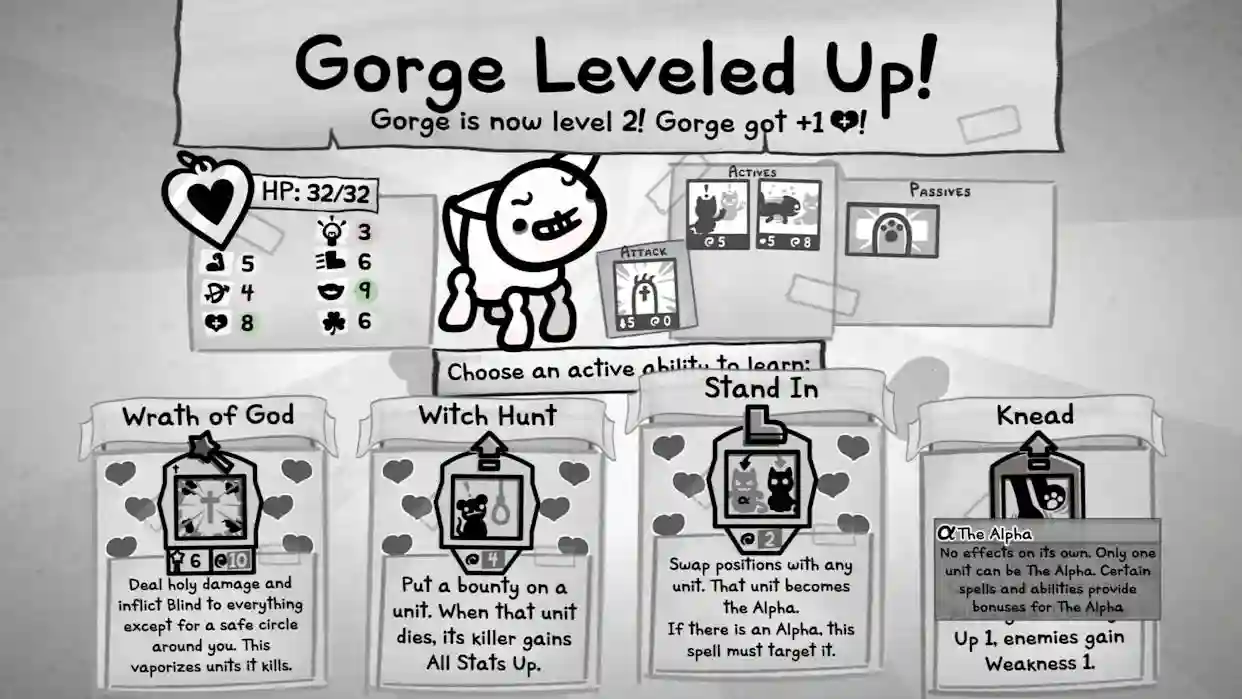
The road to Mewgenics has been much longer than anyone, including its creator, originally imagined. First teased back in 2012 as a quirky side project, the game repeatedly slipped into and out of active development while Edmund McMillen shipped other major titles. Now, Mewgenics is positioned as his next big release, blending his signature dark humor and systemic chaos with turn-based combat and an almost absurd level of replayability.
A decade-long development saga
Mewgenics began life as a smaller experiment, but its ambitions expanded over time. McMillen shelved and revived the project multiple times while focusing on other work, including launching Super Meat Boy Forever and continuing to support The Binding of Isaac. Each return to Mewgenics brought new mechanics, systems and content, gradually transforming it from a weird prototype into a fully featured RPG.
The most recent delay nudged its PC launch from a vague “this year” window to a specific date: February 10. For a game announced in 2012, that small shift barely registers compared to the broader journey, but it signals that development is finally in its polishing phase rather than constant reinvention.
What kind of game is Mewgenics?
On paper, Mewgenics is a turn-based RPG about breeding, training and deploying battle cats. In practice, it is a dense mesh of systems: genetics, mutations, party composition, tactical positioning and roguelike structure. Players collect and combine cats with different traits, creating bizarre and powerful lineages that can dramatically alter the flow of each run.
Combat emphasizes careful planning and synergies over pure stats. Environmental hazards, status effects and emergent interactions echo the controlled chaos fans know from The Binding of Isaac. Where Isaac focused on a single character’s build across randomized dungeons, Mewgenics asks you to think like a deranged strategist managing an ever-mutating squad.
Replayability baked in from the start
McMillen has already logged more than 300 hours across just two saves and admits he has only fully completed the game once on those files. That kind of personal playtime from the creator is a strong signal of depth and variability. Procedural generation, trait-heavy breeding, and branching outcomes appear designed to keep each campaign distinct.
The structure encourages experimentation rather than perfectionism. You are meant to try strange cat combinations, embrace failure, and discover broken setups organically. Long-term progression systems and unlockable content likely provide meta-goals that reward repeated runs even after you reach the ending.
DLC and long-term plans
Even before launch, McMillen is already thinking beyond the base game. He has openly stated that DLC concepts are lined up, suggesting Mewgenics is built as a platform for ongoing expansion rather than a one-and-done release. That approach mirrors the lifecycle of The Binding of Isaac, which grew substantially through large, transformative expansions.
Future add-ons could include new cat types, environments, enemy factions, story events, or additional mechanical layers tied to breeding and mutation. Given McMillen’s track record, fans can likely expect DLC that meaningfully reshapes the experience rather than just cosmetic fluff.
Platform roadmap and release timing
At launch, Mewgenics will be available on PC via Steam, with console versions planned but not imminent. McMillen has indicated that ports will come later, likely sometime after the initial release, which gives the team time to stabilize the game, patch early issues, and possibly integrate feedback before tackling additional platforms.
For console players, that means patience will be required—but the delay may pay off in smoother, more optimized builds that benefit from the PC version’s early-life tuning.
Position in McMillen’s body of work
Mewgenics sits at the crossroads of McMillen’s greatest strengths: tight mechanical design, darkly comedic themes, and systems that invite obsessive min-maxing. Fans of The Binding of Isaac and Super Meat Boy will recognize his fingerprints in the game’s risk-reward loops, grim-cute aesthetic, and love of pushing players to adapt under pressure.
Where Isaac explored guilt, faith and body horror through randomized shooters, Mewgenics appears set to explore control, legacy and mutation through strategy and breeding. It feels less like a side project finally wrapping up and more like a new flagship title—one that has quietly absorbed over a decade of lessons from his previous hits.
If the finished game lives up to its creator’s own 300-hour investment, February 10 will not just be the end of a long wait, but the beginning of an equally long obsession for players.