
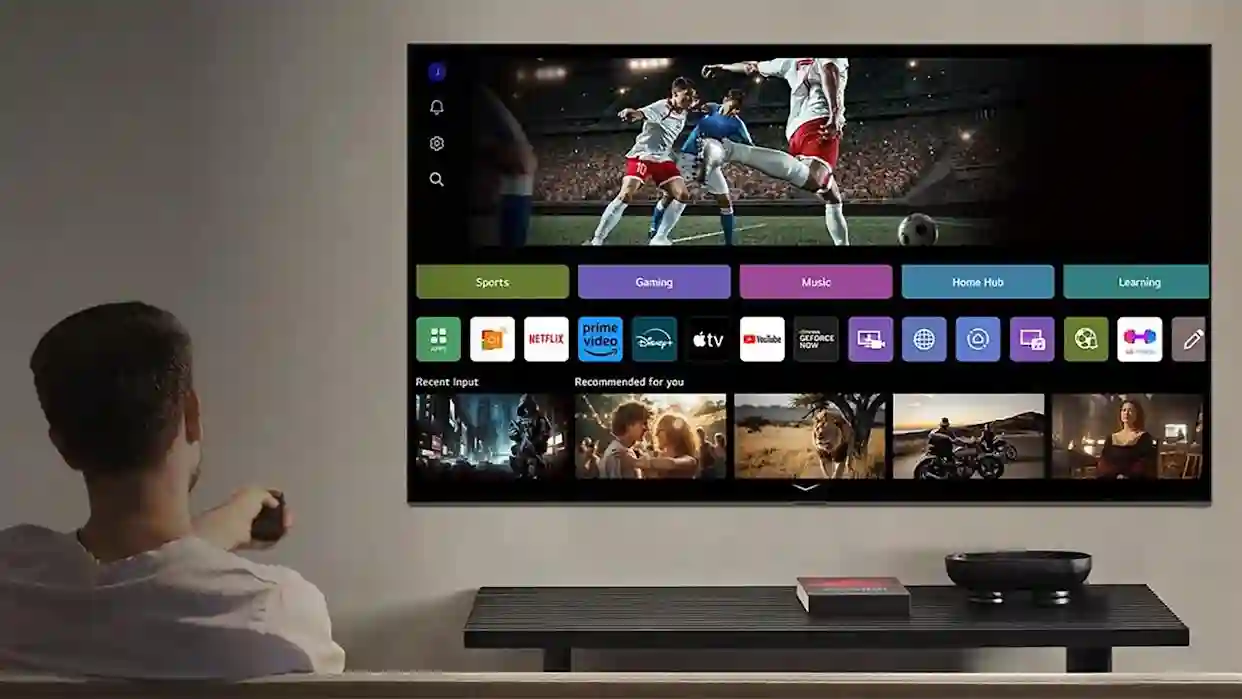
LG has announced it will debut its first Micro RGB television at CES 2026, joining a small but growing group of manufacturers experimenting with this cutting-edge display technology. The new LG Micro RGB evo represents a bold step forward in premium home entertainment, offering advancements in color accuracy, brightness control, and visual depth. While pricing details remain under wraps, the technology’s exclusive nature and recent industry trends suggest the television will be positioned firmly in the luxury segment. With screen sizes ranging from 75 to 100 inches, LG aims to make Micro RGB more accessible than its larger competitors while still delivering exceptional picture quality.
What is Micro RGB Technology?
Micro RGB is an emerging display technology that fundamentally reimagines how televisions produce color and light. Unlike traditional LED-backlit screens that rely on white LEDs filtered through color layers, Micro RGB uses individually controlled red, green, and blue Micro LEDs as the backlight source. This approach enables each zone to emit precise hues independently, unlocking a much wider color gamut and far greater accuracy than conventional systems.
The technology sits strategically between two dominant screen types: OLED and mini-LED. OLED displays are renowned for their pixel-level control, delivering perfect blacks and infinite contrast ratios since each pixel generates its own light. However, OLED panels can struggle with peak brightness and long-term burn-in risks. On the other end, mini-LED screens use thousands of small LEDs as backlights, improving contrast over standard LEDs but still relying on filtering to produce colors. Micro RGB bridges this gap, offering superior color precision compared to mini-LED while achieving brighter output than OLED without sacrificing depth or vibrancy.
Technical Specifications and Performance
LG’s Micro RGB evo boasts impressive technical credentials. According to the company’s press release, the television has been certified by Intertek for 100 percent color gamut coverage across three critical standards: BT.2020, DCI-P3, and Adobe RGB. BT.2020 represents the widest color space currently defined for ultra-high-definition television, making it essential for future-proofing content compatibility. DCI-P3 is the industry standard for digital cinema projection, while Adobe RGB is widely used in professional photography and design work. Achieving full coverage across all three ensures the display can handle virtually any high-quality content thrown at it.
The television also features over a thousand dimming zones, allowing for fine-tuned brightness control across the screen. This zonal precision reduces blooming—the halo effect around bright objects on dark backgrounds—and enhances HDR performance. Additionally, LG has integrated an upgraded AI-powered upscaling engine, which intelligently enhances lower-resolution content to match the panel’s native capabilities. This feature becomes increasingly valuable as users continue to watch a mix of standard-definition, HD, and 4K content on premium displays.
Size Options and Market Positioning
LG will offer the Micro RGB evo in three sizes: 75 inches, 86 inches, and 100 inches. This range is notably more compact than Samsung’s debut Micro RGB model announced earlier this year, which clocked in at a massive 115 inches and carried a staggering price tag of $29,999. By offering smaller screen sizes, LG appears to be targeting consumers who want cutting-edge picture quality without needing a dedicated home theater space or commercial-scale installation.
However, “smaller” is a relative term in this context—even the 75-inch version is substantially larger than most living room televisions. The pricing for LG’s models has not yet been announced, but given the exclusivity and production costs associated with Micro RGB technology, industry analysts expect the sets to remain firmly in the ultra-premium category. Early adopters and home theater enthusiasts will likely be the primary audience, at least until manufacturing scales up and prices gradually decline.
How Micro RGB Compares to Competing Technologies
| Feature | Micro RGB | OLED | Mini-LED |
|---|---|---|---|
| Backlight Source | Individual RGB Micro LEDs | Self-emissive pixels | Thousands of white mini LEDs |
| Color Accuracy | Extremely wide gamut, natural hues | Excellent but limited by organic materials | Good but filtered through layers |
| Peak Brightness | Very high | Moderate | High |
| Contrast Ratio | Outstanding with local dimming | Infinite (true blacks) | Very good with zone control |
| Burn-In Risk | Minimal | Moderate over time | None |
| Price Range | Ultra-premium | Premium to high-end | Mid to high-end |
This comparison highlights Micro RGB’s unique advantages—it combines the color precision and contrast of OLED with the brightness and longevity of LED-based systems. For users seeking the absolute best in picture quality, Micro RGB represents a compelling middle ground.
The Future of Premium Television Displays
LG’s entry into the Micro RGB market signals growing confidence in the technology’s potential. While only a handful of manufacturers currently produce Micro RGB televisions, the trend is expected to accelerate as production methods improve and component costs decrease. Samsung’s early adoption at the ultra-luxury end established the technology’s viability, but LG’s slightly more accessible sizing strategy could broaden its appeal.
As consumer expectations for home entertainment continue to rise—driven by 8K content, advanced HDR formats, and immersive gaming—the demand for displays that can deliver flawless color, brightness, and contrast will only intensify. Micro RGB stands poised to become a defining feature of next-generation premium televisions, offering a tangible upgrade over existing standards while avoiding some of the compromises inherent in OLED or mini-LED alone.
What to Expect at CES 2026
CES has long been the stage where television manufacturers showcase their most ambitious innovations, and LG’s Micro RGB evo will undoubtedly be a centerpiece of its booth. Attendees can expect live demonstrations highlighting the television’s color reproduction, HDR performance, and upscaling capabilities. Given the competitive nature of the premium TV market, LG will also likely emphasize design, smart features, and ecosystem integration to differentiate its offering from rivals like Samsung and Sony.
While exact pricing and availability remain uncertain, the official unveiling at CES 2026 should provide clarity on how LG plans to position this groundbreaking product. For now, the LG Micro RGB evo stands as a tantalizing glimpse into the future of home entertainment—a future where color, brightness, and contrast converge to create an unparalleled viewing experience.