
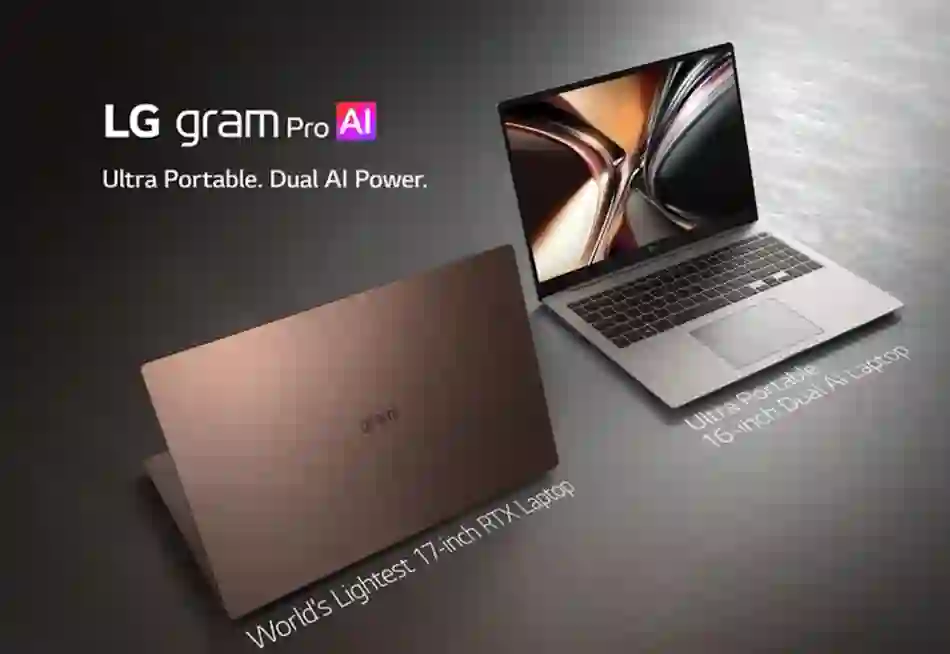
LG continues to push the boundaries of portable computing with the announcement of its latest Gram series laptops, unveiled just ahead of CES 2026. Known for prioritizing featherweight designs without sacrificing screen real estate, the manufacturer has introduced a significant material innovation to achieve its latest breakthrough. The new lineup is headlined by the introduction of “Aerominum,” a proprietary alloy developed specifically to address the perennial trade-off between weight and durability in consumer electronics. This announcement cements LG’s position as a leader in the ultra-portable category, promising devices that are the “lightest in their class” while retaining the premium feel users expect from high-end hardware.
The Science Behind Aerominum
The defining feature of this refresh is undoubtedly the new chassis material. LG has coined the term “Aerominum” to describe a specialized composite that borrows engineering principles from the aerospace industry. While traditional magnesium alloys have long been the standard for lightweight laptops, they often suffer from a plasticky texture or excessive flex under pressure. Aerominum aims to solve these issues by significantly reducing the overall weight of the chassis while reinforcing its structural integrity. According to LG, this material allows the new Gram laptops to achieve a level of rigidity that was previously impossible at such low weights.
Beyond its structural benefits, Aerominum also offers aesthetic and practical advantages. The material is designed to provide a “sleek metallic finish” that feels cool to the touch, distinguishing it from the coated finishes often found on magnesium bodies. Furthermore, LG claims that this new alloy offers superior scratch resistance, ensuring the laptop maintains its pristine appearance even after being tossed into backpacks and carried on daily commutes. To validate these claims, the new models have been subjected to rigorous testing to meet military-grade durability standards (MIL-STD-810H), ensuring they can withstand drops, vibrations, and extreme temperature fluctuations despite their delicate appearance.
AI Integration and Copilot+ Functionality
The branding for these new machines—”Gram AI”—signals a deep integration of artificial intelligence directly into the hardware. These laptops are certified as Microsoft Copilot+ PCs, meaning they meet specific hardware requirements to run advanced AI features locally. This is facilitated by the inclusion of Neural Processing Units (NPus) capable of handling complex machine learning tasks without relying on cloud processing. This shift toward on-device AI ensures lower latency, greater privacy, and the ability to perform tasks like real-time language translation, advanced image editing, and intelligent battery management even without an active internet connection.
LG is not relying solely on Microsoft’s ecosystem, however. The company has integrated its own proprietary AI system designed to optimize system performance based on user behavior. This software layer works in the background to allocate resources efficiently, ensuring that the laptop delivers maximum power for demanding creative workflows while conserving energy during basic browsing or video playback. This dual-pronged approach to AI—combining Microsoft’s broad platform tools with LG’s specific hardware tuning—aims to create a seamless and responsive user experience that adapts to the individual’s needs over time.
Cross-Device Connectivity with LG Link
In an era where users juggle multiple screens, ecosystem integration is a critical selling point. The new Gram series features “LG Link,” a connectivity suite designed to break down the barriers between devices. This technology facilitates effortless file sharing and screen mirroring across a wide range of hardware. Unlike proprietary “walled gardens” that restrict connectivity to a single brand, LG Link is built to work with smartphones, webOS-powered devices, televisions, standalone monitors, and projectors. This interoperability allows a creative professional to draft a design on their Gram laptop and instantly cast it to an LG OLED TV for a client presentation, or mirror their phone screen to the laptop for easy text management, streamlining the workflow for power users.
Hardware Specifications and Display Options
The refreshed lineup launches with two flagship models, each targeting a specific type of user. The LG gram Pro 17 is the powerhouse of the pair, featuring a massive 17-inch WQXGA LCD screen. Despite its expansive display, LG marketing materials refer to it as the “world’s lightest 17-inch laptop,” a title made possible by the new Aerominum chassis. Under the hood, it is equipped with the latest NVIDIA GeForce RTX 5050 GPU, making it a viable option for video editors, 3D designers, and light gamers who need portability without abandoning graphical performance.
For users who prioritize visual fidelity over raw screen size, the LG gram Pro 16 offers a stunning alternative. This model features a high-contrast OLED display, delivering the deep blacks and vibrant colors that the technology is famous for. Powered by the latest Intel Core Ultra processors, the 16-inch variant strikes a balance between battery efficiency and processing power. While pricing and specific availability dates have yet to be confirmed, these devices represent a significant step forward for the Gram line, combining next-generation materials with future-proof AI capabilities.