
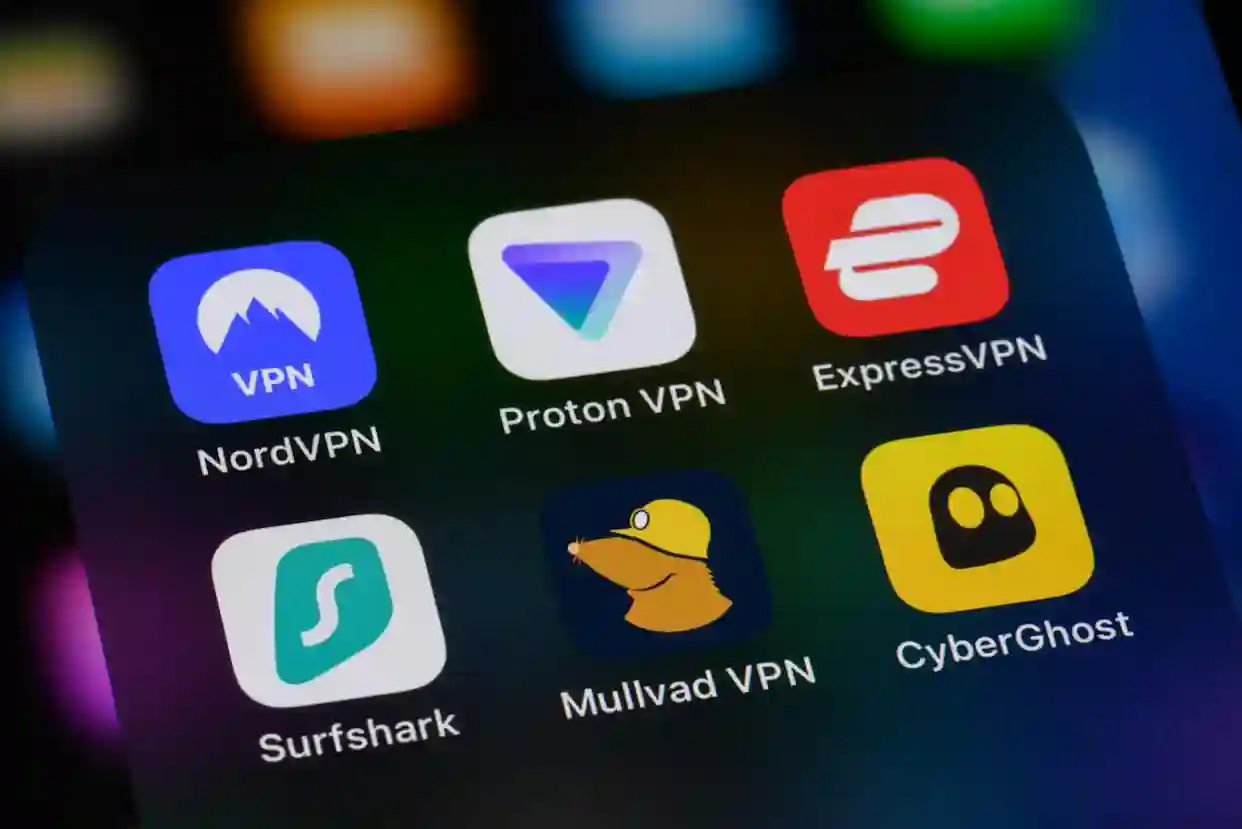
Virtual Private Networks (VPNs) have become essential tools for online privacy, enabling users to mask their digital footprints while accessing geo-restricted content. These services reroute internet traffic through encrypted tunnels, shielding activities from ISPs, advertisers, and potential surveillance. Beyond basic anonymity, VPNs unlock global streaming libraries and bypass regional firewalls, making them indispensable for modern digital life. Understanding their mechanics empowers informed selection amid marketing hype and free alternatives.
Core VPN Architecture
A VPN creates a secure conduit between your device and the internet, comprising client software and remote servers. The client establishes encrypted connections to VPN servers worldwide, forwarding all outbound traffic through this pathway. Incoming data follows the reverse route, ensuring no direct communication occurs between your device and final destinations.
This intermediary model conceals your real IP address—the unique identifier broadcast to every website visited. ISPs observe only encrypted connections to VPN servers, rendering browsing histories unsellable to data brokers. Websites perceive requests originating from server locations, facilitating location spoofing for Netflix region unlocks or censored news access.
Data Transmission Process
Internet communication relies on TCP/IP protocols fragmenting information into packets routed independently for efficiency. Without VPNs, these packets travel directly from modem to ISP to destination servers. VPNs intercept this flow during modem-to-ISP handoff, encapsulating packets within encrypted wrappers containing server routing instructions.
Servers decrypt inner payloads, forwarding legitimate requests while discarding identifiable metadata. Return traffic undergoes identical re-encryption before client-side decryption and reassembly. This double-encryption layer—outer for transit, inner for content—prevents eavesdropping, though minimal speed penalties accompany overhead (premium providers minimize via optimized protocols).
Encryption Protocols Demystified
VPN efficacy hinges on protocols orchestrating secure handshakes and data flows. OpenVPN dominates with TLS-secured asymmetric key exchange establishing session parameters, transitioning to efficient AES-256 symmetric encryption for bulk transfer. WireGuard offers streamlined alternatives with ChaCha20 ciphering and minimal codebase enhancing auditability.
IKEv2 excels in mobile reconnection stability, while proprietary implementations like ExpressVPN’s Lightway prioritize speed. “Military-grade” descriptors universally reference AES-256, standard across banking and government—symmetric strength demands secure key generation via initial asymmetric ceremonies preventing interception.
Asymmetric cryptography employs public-private key pairs: public encrypts, private decrypts. TLS handshakes verify endpoint identities through certificate authorities, confirming matched capabilities before symmetric handover. Resource-intensive math confines asymmetry to authentication, reserving symmetric ciphers for throughput.
Practical Benefits and Limitations
Anonymity shields ISP logging and regional throttling, protecting activists and casual browsers alike. Geo-unlocking accesses BBC iPlayer from abroad or US Netflix catalogs overseas, though services increasingly deploy VPN detection countermeasures.
Limitations persist: VPNs encrypt transit, not endpoint activity—HTTPS handles site security; plaintext social posts remain visible. Speed degradation varies by protocol distance; nearby servers minimize latency. Free tiers often log data or inject ads, compromising privacy promises.
| Protocol | Strengths | Weaknesses | Best Use |
|---|---|---|---|
| OpenVPN | Universal compatibility, proven security | Higher overhead | Desktop reliability |
| WireGuard | Lightning speed, small codebase | Newer (less tested) | Mobile/streaming |
| IKEv2 | Fast reconnection | Platform limitations | Public Wi-Fi |
Complete Usage Workflow
Activation follows straightforward sequence:
– Install reputable client software
– Select optimal server (speed vs. location)
– Initiate TLS handshake authenticating endpoints
– Exchange symmetric keys establishing tunnel
– Route browser/modern app traffic through VPN
– Monitor connection status; enable kill-switch preventing leaks
Advanced configurations split-tunnel specific applications while auto-connecting others. Obfuscation modes disguise VPN traffic evading firewalls.
Selection Criteria Beyond Hype
Technical literacy pierces vendor claims. Prioritize no-logging policies independently audited, jurisdiction-independent operations (avoid Five Eyes nations), and transparent ownership. WireGuard/OpenVPN support signals modernity; kill-switches prevent IP exposure during drops.
Benchmark real-world speeds via Ookla tests; verify streaming compatibility through service-specific servers. Multi-year plans yield discounts absent free trials’ hidden costs.
Cybersecurity Ecosystem Integration
VPNs complement layered defenses: password managers thwart credential stuffing, two-factor authentication blocks account takeovers, firmware updates patch exploits. Social engineering awareness counters phishing independent of technical shields.
For travelers, VPNs neutralize hotel Wi-Fi risks; remote workers secure corporate access sans office VPN mandates. Privacy-conscious users pair with tracker blockers like uBlock Origin maximizing protection.
Mastering VPN mechanics transforms consumers into discerning selectors, optimizing privacy without performance sacrifice. From casual streaming to principled activism, informed usage unlocks internet’s full potential securely.