
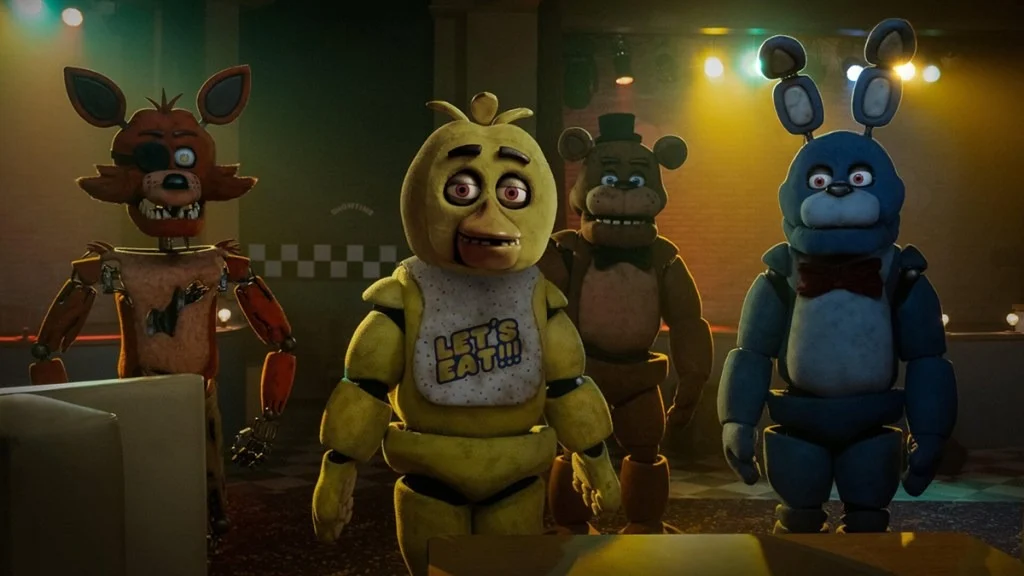
Five Nights at Freddy’s 2 arrives in theaters amid scathing reviews, cementing its place among 2025’s most reviled films. The sequel to the 2023 box office smash expands the animatronic horror universe with deeper lore and new terrors, yet critics decry it as a soulless cash grab. Sitting at a dismal 12% on Rotten Tomatoes, it underperforms even the original’s lackluster 33% score.
From Box Office Hit to Critical Disaster
The first Five Nights at Freddy’s film capitalized on franchise fandom, raking in massive profits despite critical disdain. Universal and Blumhouse banked on fan service, Easter eggs, and PG-13 chills to drive audiences. The sequel doubles down on convoluted backstory while amplifying animatronic antics, targeting obsessive teen viewers over general appeal.
Critics argue this approach alienates broader audiences. The film’s reliance on niche references rewards superfans but leaves casual viewers bewildered and bored. Box office success seems inevitable given the IP’s rabid following, yet artistic bankruptcy dominates discourse.
Brutal Critic Quotes Expose the Rot
Reviewers unleash withering assessments across publications.
Clunky execution plagues the production, trading tension for lore dumps that smother scares. One critic labels it “overstuffed and strangely lifeless,” highlighting brand maintenance over genuine horror. Another condemns its “sole imperative” as boring audiences to death, underscoring narrative inertia.
Fan-focused design draws particular ire. Descriptions paint a “stitched-together sequel with few scares and even fewer surprises,” prioritizing Easter eggs over storytelling. Blumhouse faces accusations of cynicism, treating fans like “mindless children” in a blatant cash grab.
Worse Than 2025’s Infamous Turkey
Five Nights at Freddy’s 2 doesn’t just fail—it plummets below the year’s nadir. Its 12% Rotten Tomatoes score eclipses several high-profile disasters, marking it as a benchmark for ineptitude.
Star Trek: Section 31, the forgotten franchise misfire, fares better despite universal panning. Jack Black’s Minecraft adaptation, derided as a kids’ movie catastrophe, holds a higher rating amid its garish spectacle. Disney’s Snow White remake, lambasted for soulless CGI and tonal whiplash, still outscores the animatronic sequel.
Even Borderlands, Eli Roth’s adaptation trainwreck at 10%, trails slightly behind. Freddy’s 2 clings to a razor-thin edge over that debacle, offering dubious bragging rights in flop hierarchies.
Why the Sequel Fails Where the Original Scraped By
The original succeeded through novelty and low expectations, delivering fan service amid barebones plotting. Its sequel amplifies flaws without correction—bloated runtime, incoherent mythology, lifeless jumpscares. Animatronics shine visually but lack menace, reduced to plot devices in a lore-heavy slog.
Directorial choices prioritize quantity over quality, stuffing screens with creatures at expense of pacing. PG-13 constraints neuter horror potential, yielding tepid thrills unfit for adults or scares. Franchise expansion feels obligatory rather than inspired, eroding goodwill from the debut.
Commercial Viability vs. Critical Collapse
Die-hard fans will flock regardless, ensuring profitability. Merchandise, TikTok recreations, and YouTube breakdowns fuel cultural momentum. Universal anticipates repeat box office magic, leveraging IP loyalty over review consensus.
Yet reputational damage mounts. Sequels risk franchise fatigue when quality plummets. Future entries face uphill battles justifying existence beyond profit motives. Blumhouse’s horror empire weathers blows, but repeated missteps erode credibility.
2025 Flop Rankings: Where Freddy’s 2 Stands
– Five Nights at Freddy’s 2: 12% – Animatronic lore overload kills scares.
– Borderlands: 10% – Eli Roth’s adaptation apocalypse.
– Snow White: Higher than Freddy’s – Disney’s live-action misfire.
– Minecraft: Outscores sequel – Jack Black’s blocky blunder.
– Star Trek: Section 31: Beats Freddy’s – Forgotten franchise folly.
Lessons for Horror Sequels
Five Nights at Freddy’s 2 exemplifies sequel pitfalls: fan pandering over universal appeal, lore expansion without narrative discipline. Successful horror franchises balance accessibility with depth—M3GAN, Smile series thrive through character-driven terror.
Blumhouse must recalibrate for entry three, emphasizing standalone thrills over mythology. Universal’s IP strategy demands quality control to sustain long-term viability. Fans deserve better than cynical repeats; horror demands evolution, not regurgitation.
Skip theaters unless deep lore beckons. Casual viewers find superior chills elsewhere this holiday season.