
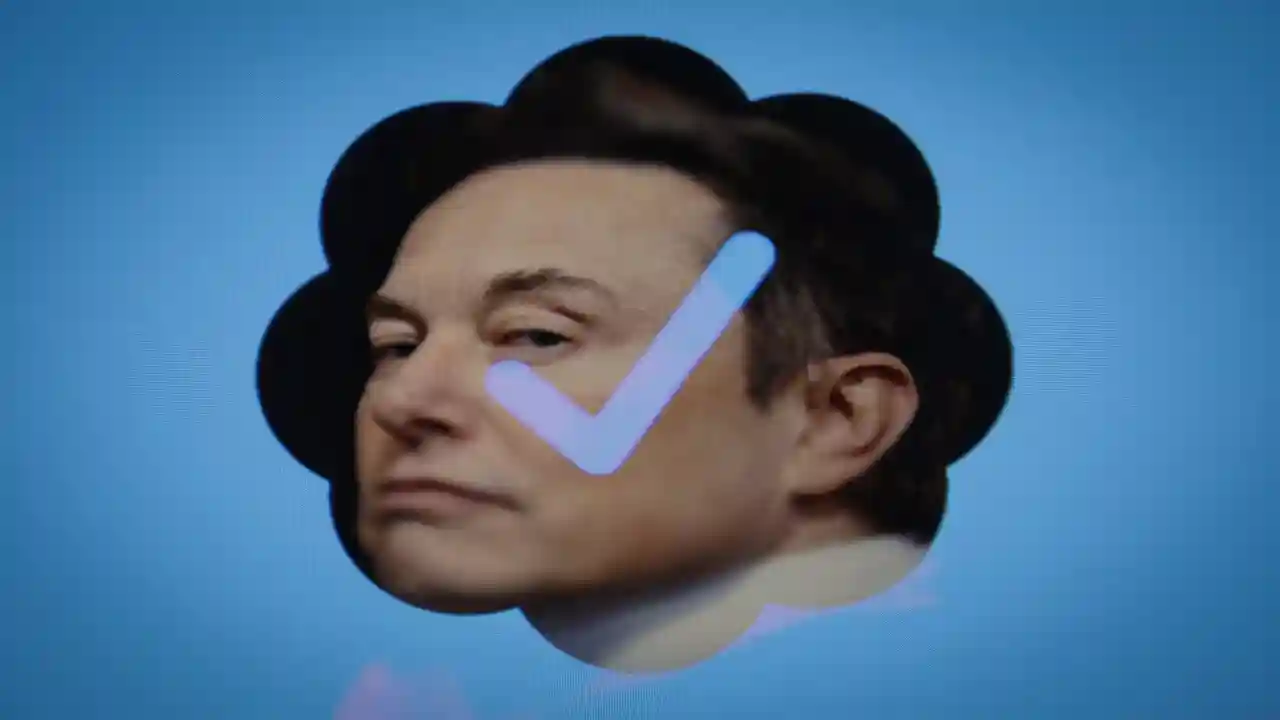
Elon Musk’s X has become the inaugural recipient of a fine under the European Union’s Digital Services Act, slapped with nearly $140 million by the European Commission for multiple compliance failures. The penalty, announced on Friday, stems from deceptive verification practices and inadequate transparency in advertising and data access, with risks of additional periodic payments if issues persist. This landmark enforcement signals the EU’s determination to regulate large online platforms amid ongoing investigations into X.
The largest portion of the fine traces back to X’s 2022 overhaul of its blue checkmark system, where Musk shifted from identity verification for notable users to a paid subscription model at about $8 monthly. This change triggered a surge in imposter accounts mimicking celebrities, officials, and brands, deceiving users and enabling scams. The Commission ruled that X’s continued promotion of paid checkmarks as “verification” violates DSA rules, as no genuine verification occurs, exposing users to fraud and manipulation.
Bot Detection and Recent Controversies
Ironically, the blue check alterations have complicated bot identification, countering Musk’s stated mission to eradicate spam upon acquiring Twitter. Recent platform tweaks inadvertently revealed that prominent MAGA influencers operate from regions like Eastern Europe, Thailand, Nigeria, and Bangladesh, often tied to scams. While DSA does not require user verification, it bans false claims of such, giving X 60 days to detail corrective actions.
Ad Repository and Research Access Shortfalls
X also drew penalties for opacity in its ad repository, mandated by DSA to expose ad details for detecting scams, disinformation, and coordinated operations. Researchers encountered excessive processing delays and missing critical data, including ad content, topics, and sponsoring entities, hindering scrutiny of election-related misinformation. Similarly, X failed to grant timely access to public platform data, echoing Musk’s 2023 decision to end free data access, which deterred over 100 researchers from studies on hate speech, child safety, and misinformation due to litigation fears. X has 90 days to outline fixes for these transparency lapses.
Political Backlash and Legal Pushback
Musk has stayed silent, but Vice President JD Vance decried the fine as EU censorship targeting American firms, urging support for free speech. Musk amplified calls for U.S. legislation like the Wyoming Granite Act, enabling X to countersue the Commission in federal court for triple damages and injunctions. The Commission anticipated litigation, fortifying its case over two years, with tech chief Henna Virkkunen defending the “modest, proportionate” penalty as user protection, not censorship.
Broader Implications and U.S. Involvement
Trump administration figures, including Commerce Secretary Howard Lutnick, leverage steel tariffs to pressure EU tech regulation reforms. This fine tests DSA enforcement resilience against transatlantic challenges, potentially setting precedents for platforms like TikTok under scrutiny. Success in litigation could embolden U.S. tech resistance, but EU confidence suggests a protracted battle. For X users, promised remedies may alter verification and transparency, impacting trust and research amid geopolitical tensions. The outcome will shape global digital regulation, balancing innovation with accountability in the post-DSA era.