
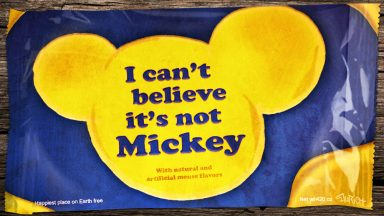
The escalating battle between entertainment giants and tech companies over copyrighted material in artificial intelligence has reached a new flashpoint. Disney, the world’s leading entertainment conglomerate, has reportedly issued a cease-and-desist notice to Google, accusing it of massive copyright infringement through its AI tools.
Disney’s Legal Strike Against Google
According to internal communications, Disney claims Google’s generative AI systems have been trained using an extensive collection of Disney-owned works. This includes imagery, film footage, and characters that are unmistakably identifiable within Google’s image and video outputs. The entertainment powerhouse alleges these AI tools can easily reproduce iconic figures such as Mickey Mouse, Deadpool, and Simba from *The Lion King*, among others—actions Disney considers direct copyright violations.
The legal demand calls for Google to immediately halt the use of any Disney-associated material in its AI datasets and to implement technical safeguards that block users from producing Disney-owned characters in generated outputs. Given Disney’s long record of aggressively defending its intellectual property, this move underscores the company’s strategy to maintain control over its vast portfolio in the digital era.
Google’s Response and the Core Dispute
In response, Google has offered a brief but measured statement emphasizing its collaborative history with Disney. The company asserts that it trains its AI models primarily on publicly available data and has introduced advanced copyright controls like “Google-Extended” and “Content ID” for YouTube. These tools, according to Google, allow rights holders to manage how their materials are used.
Yet, this raises a fundamental question: if copyrighted content is freely accessible across the internet, can AI companies be held solely responsible for incorporating it into model training? That grey area lies at the center of the looming legal storm.
The Broader AI Copyright Battlefield
Disney’s action joins a growing list of legal skirmishes between content owners and technology firms. Media organizations such as The New York Times and Getty Images have filed lawsuits targeting similar practices involving unauthorized data scraping. Each case challenges the same issue—how generative AI interacts with existing copyright frameworks that were never designed for machines capable of “learning” creative styles.
Earlier this year, Disney also threatened legal action against Character.AI, a startup that allowed users to chat with digital recreations of famous Disney characters. The result was swift removal of all Disney material from that platform—a glimpse into how vigorously Disney polices its content boundaries.
Disney and OpenAI: A Strategic Alliance
Interestingly, while Disney is taking a hard stance against Google, it is simultaneously expanding its strategic relationship with OpenAI. The company recently invested $1 billion into the AI leader and finalized a three-year licensing deal that officially permits the use of over 200 Disney characters in OpenAI’s Sora video app. This partnership marks one of the first major entertainment-licensed collaborations in the AI field.
This cooperation fundamentally contrasts with Google’s current approach, which continues to draw from vast web data without formal licensing agreements. The different philosophies highlight two distinct paths for AI companies: pay for official rights or argue that data use constitutes fair use under evolving laws.
Comparison of AI Company Approaches to Copyright
| Company | Copyright Approach | Relationship with Disney | Current Legal Risk |
|---|---|---|---|
| Uses broadly available web data; relies on automated filters like Content ID | Strained—facing cease-and-desist notice | High | |
| OpenAI | Partners with content holders via direct licensing agreements | Strong—$1B collaboration and character licensing deal | Low |
| Character.AI | Removed copyrighted material following legal threats | None—compliant after dispute | Moderate |
Potential Impact on the AI Industry
These ongoing disputes may fundamentally reshape how AI companies operate. A scenario could emerge where the AI landscape mirrors today’s fragmented streaming market. Instead of Netflix, Disney+, or Max serving different shows, users might encounter “AI silos” where access to characters depends on licensing arrangements. For example, those seeking to generate content featuring Moana might turn to OpenAI, while DC characters could appear only in tools partnered with Warner Bros.
How AI Firms Might Adapt
To navigate these escalating copyright challenges, AI firms may follow a few key steps:
– Audit training datasets and remove any unlicensed media.
– Establish official licensing contracts with major content owners.
– Strengthen content identification and filtering systems.
– Implement region-based compliance measures tied to local copyright law.
– Offer transparency dashboards showing data provenance to build trust.
A Turning Point for Digital Creativity
The Disney–Google conflict encapsulates the broader dilemma of the AI era: balancing innovation with the rights of creators. As generative models grow more powerful, lawmakers, companies, and artists are grappling with how to preserve creativity without undermining intellectual property protections. Whether Disney’s legal action results in a settlement, partnership, or courtroom showdown, one thing is clear—AI’s “wild west” days of unregulated data use may soon be over.