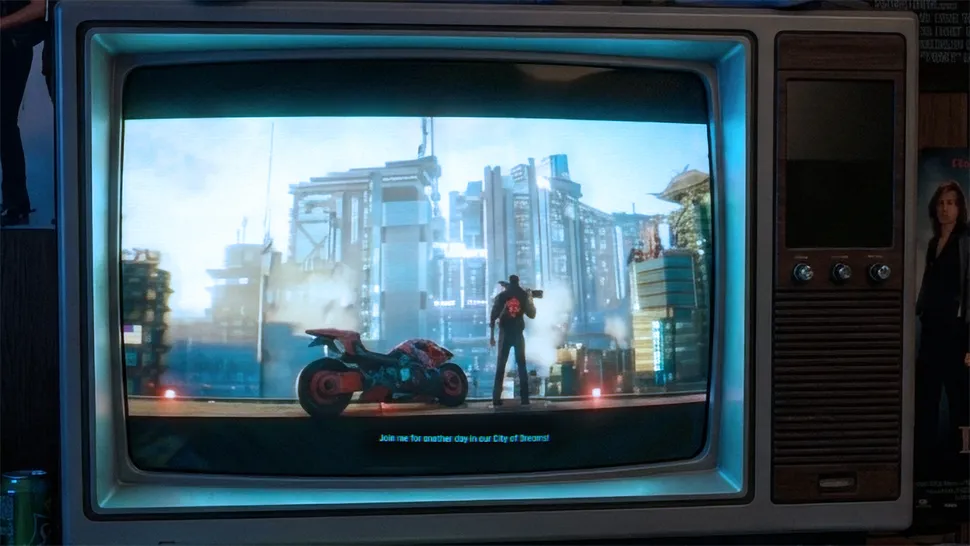
A fascinating nostalgia wave is sweeping through the PC gaming community, with Cyberpunk 2077 serving as the unlikely canvas for remarkably authentic VHS and CRT filters. While Night City gleams with neon-drenched 2077 futurism, creative modders are deliberately degrading its pristine visuals to recreate the warm, imperfect glow of 1980s cathode ray tube televisions and analog tape degradation. This counterintuitive trend reveals deeper yearnings for analog imperfection amid digital perfection.
The Appeal of Digital Nostalgia
VHS and CRT filters transcend mere graphical gimmicks, tapping into profound sensory memories for gamers who grew up with bulky televisions and rental tapes. Unlike Instagram-style retro filters emphasizing exaggerated distortion, these gaming shaders prioritize technical accuracy—replicating scanlines, phosphor glow, geometric distortion, and tape tracking artifacts with meticulous detail. The result transforms hyper-detailed modern titles into convincing period pieces that transport players back decades.
Cyberpunk 2077 proves particularly compelling for this treatment. Its rich neon aesthetic and dense urban environments mimic the visual complexity of era-appropriate movies while providing ample dynamic content for filter effects to shine. Fast-moving traffic, flickering holograms, and reflective surfaces become perfect showcases for authentic chroma ghosting, color bleeding, and scanline flicker that defined analog video.
Tulired’s Impressive Cyberpunk VHS Recreation
Reddit user Tulired’s work stands out for its research-driven approach, spending days studying actual VHS tape characteristics before crafting a ReShade preset specifically for Cyberpunk 2077. Unlike generic retro filters, Tulired’s creation emphasizes realistic tape wear patterns, subtle tracking instability, and period-correct color response rather than cartoonish degradation. The effect proves so convincing that it reportedly evokes physical memories of rewinding rental tapes for many viewers.
While Tulired’s full preset awaits post-holiday release, its preview videos demonstrate sophisticated techniques like dynamic noise patterns matching tape speed, realistic head switching artifacts, and even simulated cassette counter flicker. This level of authenticity elevates the filter from novelty to legitimate artistic statement, prompting discussions about preservation of analog aesthetics in digital spaces.
ShaderGlass: Instant Retro Gaming Access
For immediate gratification, ShaderGlass offers a remarkably accessible entry point into retro screen emulation. This lightweight Windows application overlays dozens of meticulously researched CRT and VHS shaders atop any game or video without requiring game modifications or complex configuration. Users simply download the latest release, launch their game in windowed mode, and drag the transparent ShaderGlass overlay into position.
ShaderGlass’s standout feature allows complete mouse passthrough, enabling full game control while maintaining the nostalgic overlay. Community favorites like pal-r57shell deliver authentic PAL television emulation complete with chroma artifacts and geometric distortion, while NTSC-focused filters like newpixie-crt and crt-guest-advanced-ntsc perfectly capture American broadcast characteristics. Fine-tuning options adjust pixel size for readability, frame slicing for motion ghosting, and curvature for authentic screen geometry.
Perfect Filter Combinations for Different Tastes
Regional authenticity proves crucial for convincing results. European gamers favoring PAL formatting gravitate toward r57shell shaders with their characteristic color fringing and 50Hz flicker, while North American users prefer NTSC-optimized filters capturing 60Hz scanline behavior and brighter saturation. Cyberpunk 2077 benefits particularly well from 2x pixel scaling that maintains readability while preserving authentic low-resolution charm.
Frame rate slicing creates the signature motion smearing of interlaced video, particularly visible during Night City’s frenetic vehicle chases and combat sequences. Higher base frame rates ensure playable performance despite emulation overhead, while adjustable brightness and contrast settings match individual television memories. The result transforms modern 4K gaming rigs into convincing period displays without sacrificing responsiveness.
Versatility Across Gaming Platforms
ShaderGlass extends beyond desktop Cyberpunk 2077, working flawlessly with Windows handheld gaming PCs like ROG Ally and Lenovo Legion Go. While controller navigation through shader menus requires brief touch interaction, the core overlay functionality remains seamless. Emulated retro gaming proves particularly compelling on portable devices, recreating Game Boy Advance or PlayStation 1 sessions as if played on original pocket LCDs or miniature CRTs.
Linux users on Steam Deck face limitations without native builds, though Proton compatibility offers potential workarounds for Windows-exclusive titles. The application’s lightweight footprint ensures minimal performance impact even on lower-powered handhelds, making authentic retro aesthetics accessible regardless of display technology.
Cultural Significance of Retro Recreation
This VHS revival reflects broader cultural fascination with analog imperfection amid digital homogeneity. Modern games strive for photorealism and frame rate perfection, yet players increasingly seek sensory variety through deliberate visual degradation. CRT emulation preserves irreplaceable television characteristics—subpixel phosphor layout, ambient light bloom, and geometric imperfections—that LCDs can never replicate.
Beyond aesthetics, these filters serve preservation purposes by maintaining visual language of analog gaming eras. Sega Genesis players relive exact television conditions of 1990s childhoods, while modern titles gain artistic reinterpretation through period-appropriate presentation. Tulired’s work elevates this trend toward high-fidelity historical accuracy, potentially influencing future shader development across gaming platforms.
Future of Nostalgic Gaming Aesthetics
As authentic hardware becomes scarce, software emulation grows increasingly vital for preserving gaming heritage. ShaderGlass democratizes access while Tulired’s presets push technical boundaries, suggesting rich future development. Native game support for retro display modes, dynamic shader marketplaces, and even VR CRT room-scale environments represent natural evolution points.
For now, Cyberpunk 2077 through VHS filter proves gaming’s remarkable versatility—capable of depicting 2077 dystopia while simultaneously recreating 1987 television reality. Players experience dual temporal layers, appreciating Night City’s futuristic splendor through authentic analog limitations that defined earlier entertainment eras. This intersection of cutting-edge technology and historical reverence reveals gaming’s unique capacity to bridge temporal boundaries.