
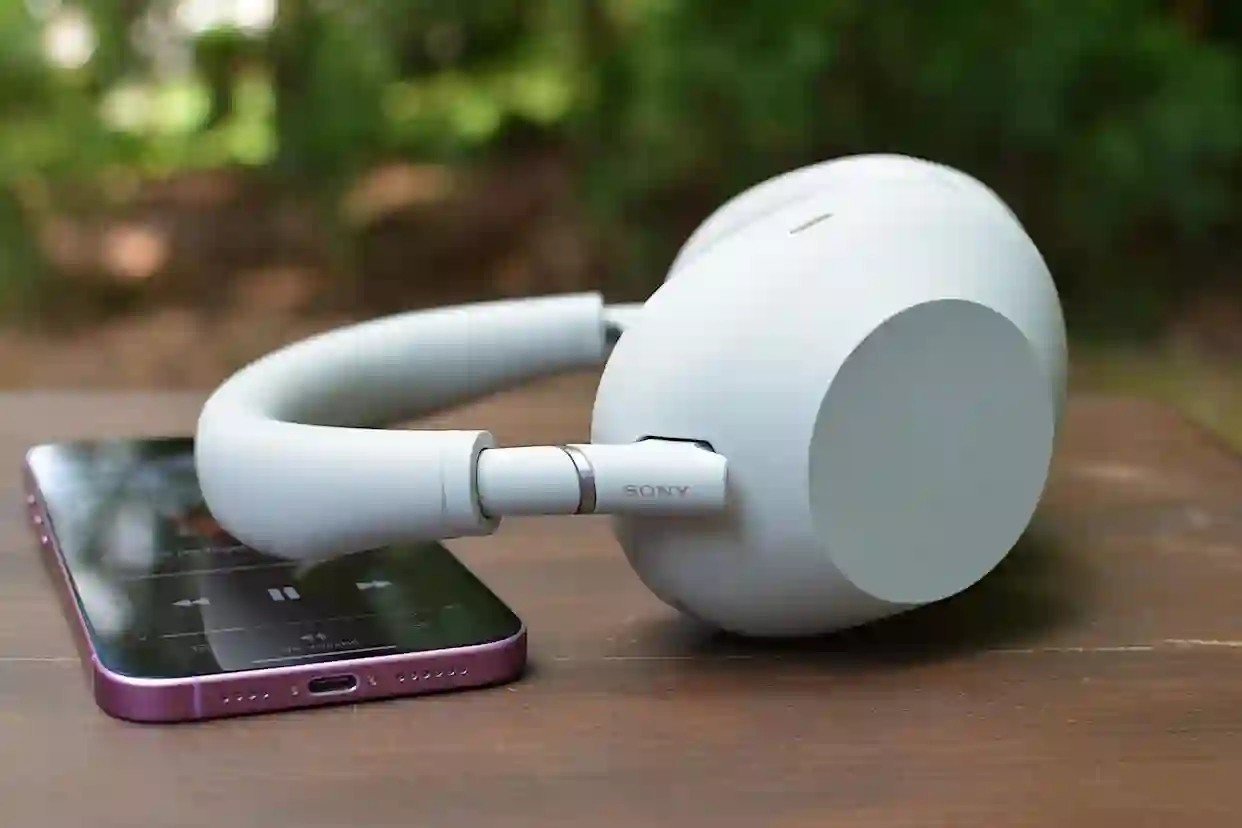
Apple’s forthcoming iOS 26.3 update heralds a subtle yet significant shift in device interoperability, introducing proximity pairing and notification support for third-party accessories exclusively within the European Union to align with the Digital Markets Act (DMA). This compliance measure streamlines connections for non-Apple gear like Sony headphones or Wear OS smartwatches, enabling AirPods-style one-tap pairing by simply holding compatible devices near an iPhone or iPad. While billed as enhancing user choice, the region-locked rollout underscores Apple’s measured response to regulatory pressures, balancing ecosystem openness with its tightly controlled hardware synergy.
Proximity pairing leverages NFC for effortless Bluetooth initiation, bypassing cumbersome settings menus that plague cross-brand setups today. Users bring earbuds or trackers close to their iOS device, triggering a seamless animation and single confirmation—mirroring Apple’s proprietary magic but extended to rivals. Notifications represent the bolder leap: third-party watches gain iPhone message previews, quick replies, and alerts previously reserved for Apple Watch, though limited to one paired device at a time. Activating this on a Galaxy Watch, for instance, silences Apple Watch buzzes, preventing duplicate pings in mixed setups.
EU’s DMA Vision Takes Shape
European officials celebrate this as fostering innovation, with spokespeople highlighting opportunities for developers to craft interconnected products benefiting citizens through a vibrant digital marketplace. Full rollout targets 2026, aligning with DMA milestones demanding gatekeepers like Apple dismantle app store monopolies and enable rival payments. Proximity features demand manufacturer buy-in—Sony, Google, or Garmin must integrate iOS protocols—potentially spurring a wave of hybrid accessories optimized for both ecosystems, eroding Apple’s walled garden brick by brick.
Apple’s Minimalist Compliance Strategy
True to form, Apple delivers bare-minimum concessions, often cloaked in privacy rhetoric. No seamless multi-device switching accompanies pairing, curtailing the fluid handoff hallmarking AirPods across iPhone, Mac, and HomePod. Notifications lack rich complications or health data syncing, preserving Apple Watch’s moat for fitness and complications. This echoes prior DMA moves: EU-only sideloading, alternative browsers, and browser choice screens, while global users see unaltered experiences. Controversially, features like iPhone mirroring vanish in Europe to sidestep Android parity obligations, a tactic critics decry as punitive compliance.
Implications for Users and Rivals
For EU iPhone owners, iOS 26.3 unlocks practical hybridity: pair Bose QuietComforts effortlessly for superior noise cancellation, or glance at WhatsApp on a Pixel Watch during runs. Wear OS gains legitimacy against Apple Watch, though battery drain from constant polling may temper enthusiasm. Accessory makers race to certify, potentially birthing a new standard where iOS notifications flow universally, pressuring Apple to match Android’s openness elsewhere.
Globally, the update signals DMA’s ripple effects: US and Asia watch antitrust suits invoking Europe’s playbook, demanding similar concessions. Apple’s fortress crumbles selectively—third-party pairing today, perhaps USB-C controllers tomorrow—yet core services like iMessage encryption and App Store curation endure. This calibrated openness sustains premium pricing while averting outright rebellion, positioning iOS as compliant yet commanding. As 2026 unfolds, proximity pairing may normalize cross-platform bliss, quietly reshaping loyalty in a multi-vendor reality long denied by siloed titans.