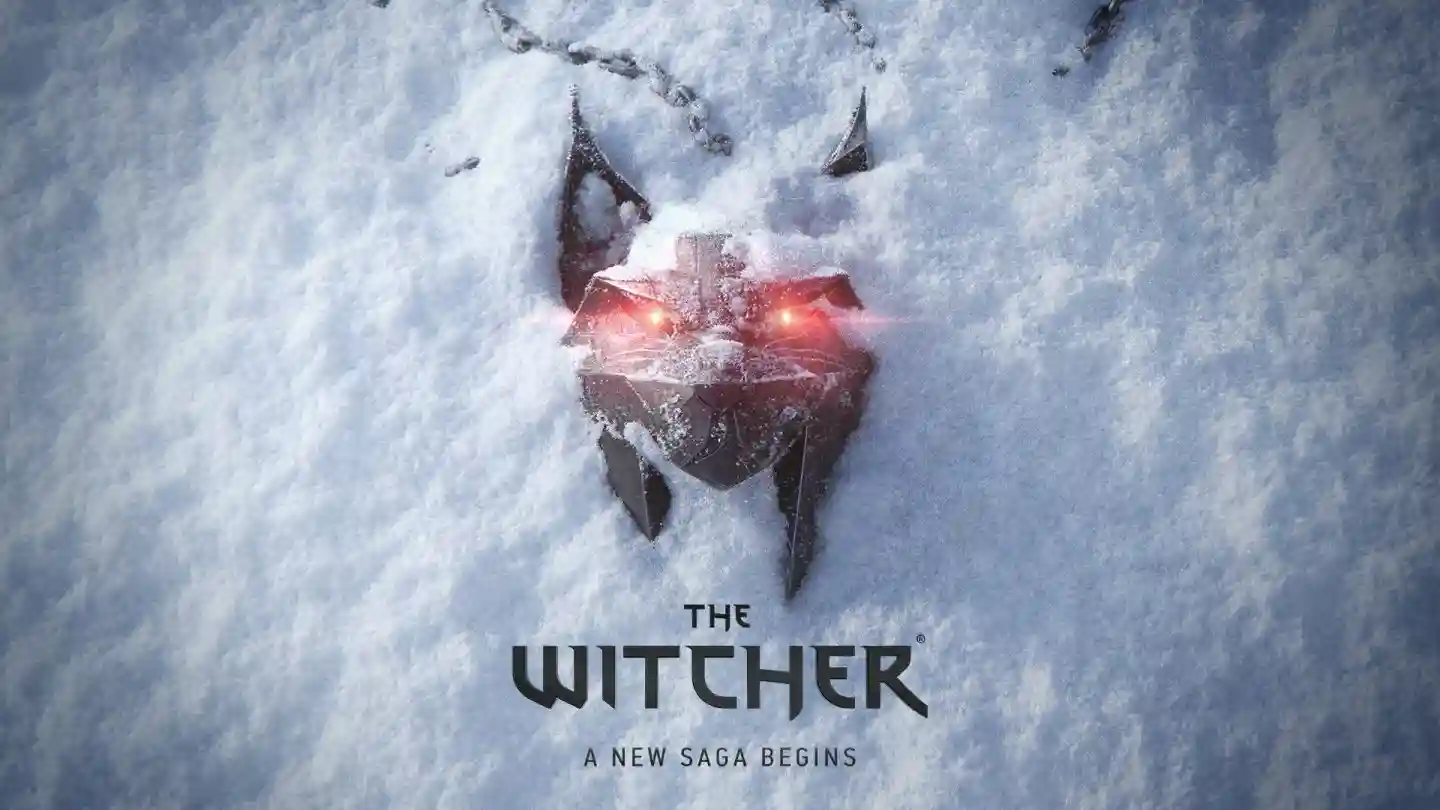
CD Projekt Red reaffirms its bold commitment to deliver three full-scale Witcher sequels within a six-year span starting from The Witcher 4’s launch, leveraging the shift to Unreal Engine 5 for accelerated development efficiency. Over a decade since The Witcher 3: Wild Hunt’s 2015 masterpiece status, and nearly four years post the new saga announcement, VP of Business Development Michał Nowakowski highlighted in the Q3 2025 earnings call how Epic’s engine advancements enable shorter cycles between titles. This strategy addresses past delays, like the eight-year gap from The Witcher (2007) to its acclaimed successor, while navigating a packed pipeline including Cyberpunk 2077’s sequel.
Unreal Engine Transition Fuels Faster Releases
The 2022 pivot from CDPR’s proprietary REDengine to Unreal Engine 5 promises elevated predictability, efficiency, and access to state-of-the-art tools, crucial after Cyberpunk 2077’s notorious console launch woes blamed on REDengine’s in-game streaming flaws. Nowakowski expressed satisfaction with Unreal’s evolution for massive open-world RPGs like The Witcher 4, stating the studio aims for reduced development times across the trilogy: shorter intervals between TW4-TW5 and TW5-TW6 to fit the six-year window. This marks a departure from historical timelines, positioning CDPR to reclaim momentum in the premium RPG space.
Development Scale and Project Polaris Progress
The Witcher 4, codenamed Project Polaris, boasts a robust team of 447 active developers, up from 150+ in pre-production stages back in 2022 when the trilogy pledge was formalized. A summer 2025 tech demo showcased at Epic’s State of Unreal on PS5 hardware demonstrated stunning visuals—though labeled non-gameplay—with live-controlled sequences hinting at photorealistic environments, dynamic lighting, and fluid animations tailored for next-gen consoles. CDPR confirmed no 2026 launch for Polaris, pushing the full trilogy’s completion further into the late 2020s, yet the engine’s modularity could streamline asset reuse and iteration for sequels.
Multiproject Juggling Challenges
CDPR’s sprawling portfolio strains resources across simultaneous endeavors: Cyberpunk 2077 sequel (Project Orion) with a 135-person team expanding to over 300 by 2027; multiplayer Witcher spinoff Project Sirius led by The Molasses Flood; a ground-up remake of the original 2007 Witcher; and enigmatic Project Hadar. From just 250 employees at The Witcher 3’s launch, the studio has grown substantially but faced 9% layoffs in 2023 amid shifting priorities, underscoring the risks of such aggressive parallelism. Balancing these while hitting trilogy deadlines demands precise resource allocation and Unreal Engine mastery.
Technical Hurdles and Future-Proofing Needs
Even with Unreal Engine 5’s prowess, technology crafted for The Witcher 4 risks obsolescence by The Witcher 6’s horizon, as next-gen consoles and GPUs evolve rapidly—Epic teases Unreal Engine 6 previews in 2-3 years. CDPR must future-proof assets, shaders, and systems for hardware leaps, potentially requiring mid-trilogy updates that could compress already tight schedules. The tech demo’s high-fidelity rendering signals strong foundations, but scaling open-world complexity across three titles in six years remains unprecedented for AAA RPGs of this caliber.
Strategic Implications for CDPR’s RPG Dominance
This accelerated trilogy blueprint revitalizes CDPR’s Witcher franchise as a cornerstone amid diversified ventures, capitalizing on Unreal’s ecosystem for plugin integrations, multiplayer scalability, and cross-platform parity. Success hinges on lessons from Cyberpunk’s redemption arc, where post-launch updates restored faith through Phantom Liberty’s triumph. Stakeholders eye Q3 2025 earnings optimism as validation, with Polaris milestones potentially accelerating investor confidence and talent retention.
CD Projekt Red’s six-year Witcher trifecta vow embodies calculated ambition, harnessing Unreal Engine to compress decades-spanning epics into a modern cadence. From Polaris’ visual splendor to sequel pipelines, execution will redefine studio benchmarks in open-world storytelling. Fans await whether this engine leap bridges the decade-long drought, restoring Geralt’s saga to annual contention.