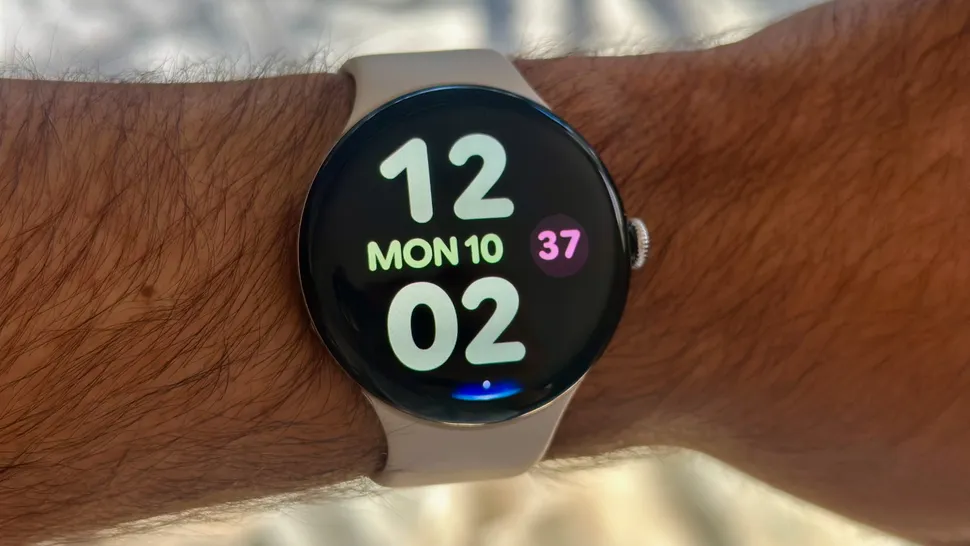
Wear OS 6 promised a smoother, more refined smartwatch experience for Pixel Watch and Galaxy Watch users, but a frustrating bug is instead turning custom watch faces into a nightmare. Owners report that third-party watch faces are freezing during Always-On Display transitions, creating a distracting “ghosting” effect where the active face and dimmed display overlap awkwardly. This widespread issue is affecting both Google and Samsung’s latest devices, turning a quality-of-life update into a major headache for customization enthusiasts.
The Ghosting Problem Explained
The bug manifests when your wrist drops and the watch attempts to switch from the full interactive watch face to its Always-On Display (AOD) version. Normally, this transition is seamless—a smooth fade that conserves battery while keeping essential information visible. With Wear OS 6, however, third-party watch faces get stuck halfway through the process, leaving users staring at a messy overlay of numbers, hands, and complications.
This “ghosting” effect looks like a transparent version of the active watch face lingering over the AOD layer, creating visual clutter that makes it difficult to read time, notifications, or fitness data at a glance. The problem persists until the user manually interacts with the watch or waits for the screen to timeout completely, which defeats the purpose of AOD entirely.
Affected Devices and Scope
The issue spans across the Wear OS ecosystem, impacting both Pixel Watch users and Samsung Galaxy Watch owners. Recent models like the Pixel Watch 4, Galaxy Watch 8, and Galaxy Watch Ultra are all reporting the same symptoms. This broad compatibility problem suggests it’s not a hardware limitation but rather a platform-level flaw introduced in Wear OS 6.
Importantly, the bug specifically targets downloaded third-party watch faces from the Google Play Store. Stock watch faces pre-installed by Google and Samsung continue to function normally, indicating the issue lies with how Wear OS 6 handles external watch face APIs and rendering during AOD transitions. Users who rely on custom designs for personalization—whether for unique aesthetics, complications, or battery optimization—are hit hardest.
Root Cause: API Changes Gone Wrong
Wear OS 6 introduced several under-the-hood improvements aimed at enhancing AOD performance and battery efficiency. Among these were updated APIs for watch face developers to better manage rendering states between active and dimmed displays. While these changes work flawlessly for first-party faces, they’ve broken compatibility with many existing third-party watch faces built on older frameworks.
Developers report that the new rendering pipeline expects different data structures and timing for AOD handoffs, causing the system to freeze when processing legacy watch face code. This isn’t a simple visual glitch but a deeper compatibility issue that requires either a platform patch or widespread developer updates—both of which could take time to roll out.
User Workarounds and Community Response
Frustrated users have flooded Google and Samsung community forums with reports, screenshots, and videos demonstrating the problem. Temporary workarounds include switching back to stock watch faces or disabling AOD entirely, though both sacrifice the customization and convenience many users love about Wear OS. Some have experimented with developer options to force compatibility modes, but these solutions are unreliable and may impact battery life or stability.
The smartwatch community has been vocal about their disappointment, especially since Wear OS 6 was positioned as a “quiet” update focused on polish rather than flashy new features. Many had hoped for a more mature platform that respected existing customization options, not one that rendered them unusable.
Google and Samsung’s Next Steps
Both Google and Samsung appear aware of the issue, with bug reports already filed through official channels. Given the platform-wide scope, the fix will likely come via a Wear OS 6 point release or device-specific firmware update. In the meantime, Google may push guidance to watch face developers on adapting to the new APIs, though this won’t help users with older, unmaintained faces.
For now, the recommendation remains straightforward: stick to stock watch faces until a patch arrives. Owners should monitor system update notifications closely and avoid installing new third-party faces until the issue is resolved. This bug serves as a reminder that even minor OS updates can have unintended consequences for the ecosystem they support.
Lessons for Wear OS’s Future
This incident highlights the delicate balance Wear OS must strike between innovation and backward compatibility. As the platform matures and attracts more third-party developers, Google faces growing pressure to maintain stability across a diverse range of hardware and software. The ghosting bug may be fixed relatively quickly, but it underscores the importance of thorough testing—especially for features as fundamental as AOD transitions.
For Pixel Watch and Galaxy Watch users, the silver lining is that Wear OS remains one of the most customizable smartwatch platforms available. Once resolved, this hiccup could pave the way for even better watch face experiences in future updates. Until then, patience will be key as Google works to restore the smooth, ghost-free experience users expect from their premium wearables.