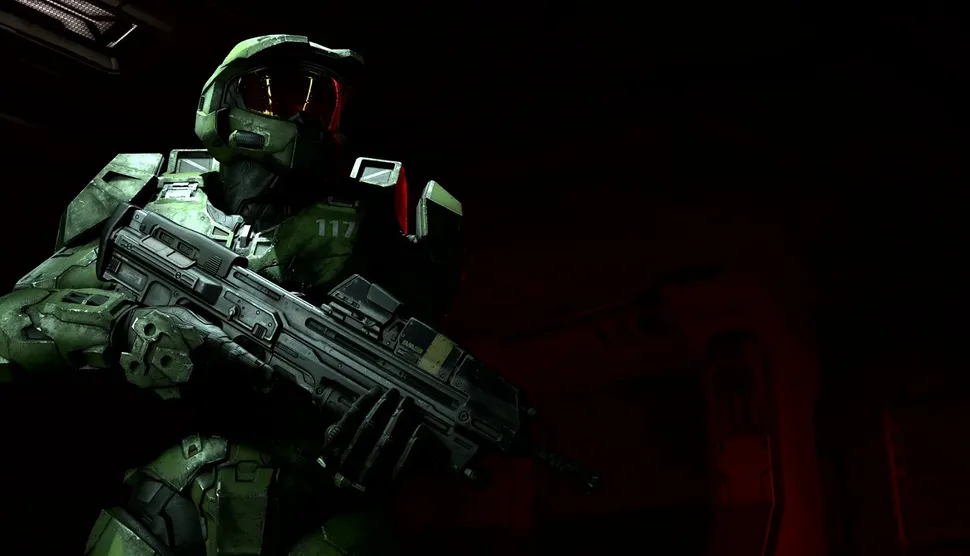
Halo Infinite’s campaign concluded with tantalizing open-ended threads, leaving fans eager for Master Chief’s next chapter amid the ruins of Zeta Halo and emerging cosmic threats. Instead of the anticipated sequel game or DLC expansion, 343 Industries—now Halo Studios—delivered this continuation through an unexpected medium: the novel Halo: Edge of Dawn. This bold narrative choice extends the franchise’s storytelling beyond interactive experiences, sparking debate about accessibility and the evolving role of transmedia in one of gaming’s most iconic sagas.
From Canceled DLC to Literary Sequel
Halo Infinite launched with grand ambitions as a decade-long live service platform, but development challenges led to scaled-back content and the eventual cancellation of planned campaign expansions. Reports confirmed substantial DLC work that would have directly followed the base story, only to be shelved amid shifting priorities and resource constraints. What remains is a critically redeemed multiplayer ecosystem that took years to mature, now complemented by this literary bridge to future installments.
Halo: Edge of Dawn, penned by veteran author Kelly Gay, picks up immediately post-campaign, delving into the mysterious Endless precursors, unveiling the Weapon AI’s true designation, and introducing Chief’s new companion in Cortana’s absence. Gay’s established pedigree within the universe—spanning multiple acclaimed novels—ensures continuity with the meticulous lore while expanding Zeta Halo’s secrets through intimate character perspectives unavailable in gameplay.
Patterns in Halo’s Transmedia Storytelling
This approach echoes longstanding Halo tradition, where expanded universe media fills narrative gaps between games. Halo 3: ODST’s Buck storyline continued in Halo: New Blood, detailing his Spartan-IV induction. Halo 5’s controversial arc fed directly into novels that realigned toward Infinite’s direction, bypassing unresolved threads for Spartan Locke and Blue Team. Halo 4 stood as the last tightly cohesive mainline game-to-game handoff, with subsequent entries demanding supplemental reading for full context.
The pattern disadvantages core gamers who skip books, fracturing narrative cohesion. Infinite’s ending—already dense with revelations—now requires literary homework for complete understanding, potentially alienating casual players. Halo Studios appears to embrace this multimedia ecosystem, leveraging novels for rapid story advancement while reserving games for setpiece spectacles and multiplayer.
Raising Stakes for Halo 7
Edge of Dawn’s developments pose critical questions for Halo 7’s structure. Will future games mandate book knowledge, risking player confusion, or engage in rare recap sequences to onboard audiences? Past titles avoided heavy retreading, trusting novels to handle side narratives while games propelled Chief’s arc. This evolution positions Halo as a book series punctuated by occasional interactive milestones, inverting traditional priorities.
Kelly Gay masterfully balances action with introspection, humanizing Chief amid existential threats and exploring AI ethics through the Weapon’s evolution. Expansive prose allows deeper dives into Forerunner architecture, Banished politics, and Endless mythology than gameplay pacing permits. For lore enthusiasts, it’s a treasure trove; for gameplay purists, a frustrating barrier to entry.
Community Reactions and Franchise Implications
Fan responses split predictably: book lovers celebrate enriched universe depth, while console-only players lament inaccessibility. Polls reveal confusion among gamers who skip novels, diminishing investment in overarching plots. This transmedia strategy maximizes storytelling bandwidth but fragments audience engagement, challenging Halo’s reputation as approachable blockbuster entertainment.
Halo Studios benefits from agile novel releases that maintain momentum between multi-year development cycles. Books test narrative directions, character arcs, and lore expansions with lower risk than full games. However, overreliance risks diluting the franchise’s interactive core, where Chief’s heroism shines through player agency rather than authored prose.
Future Directions for Halo Storytelling
As Halo Studios rebuilds post-layoffs under Microsoft oversight, balancing games, books, and potential TV/media synergies becomes paramount. Success hinges on accessible recaps, optional reading paths, and gameplay-first milestones that honor both audiences. Edge of Dawn proves the format’s viability for Chief’s saga, delivering cinematic scope through literary craft.
Ultimately, Halo thrives when uniting players through shared triumphs, not dividing them across media. Novels excel as companions, illuminating corners games can’t reach, but Chief’s odyssey belongs in players’ hands. Halo 7 must synthesize these threads into cohesive interactivity, ensuring the Master Chief’s legend endures accessibly across generations of fans.