
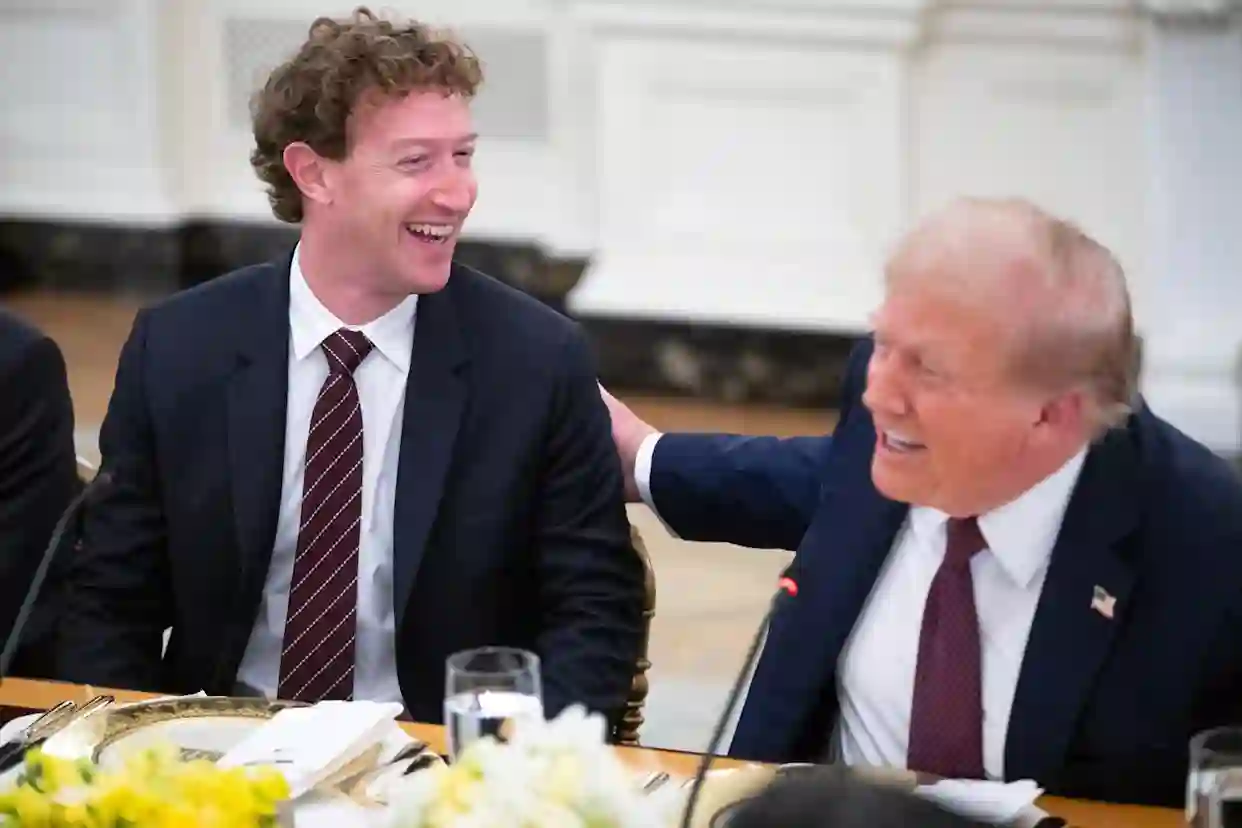
Mark Zuckerberg’s Chan Zuckerberg Initiative has quietly severed financial ties with FWD.us, the pro-immigration advocacy group he co-founded in 2013 amid fervent calls for citizenship pathways for talented immigrants. This marks the first year without CZI funding since inception, ending contributions that comprised over half of the group’s $400 million war chest. The move coincides with dramatic shifts in Meta’s policies aligning with the incoming Trump administration’s hardline stance, raising questions about principle versus pragmatism in Big Tech’s political navigation.
From Advocacy Champion to Silent Withdrawal
Zuckerberg launched FWD.us during the Obama era, framing immigration reform as “one of the biggest civil rights issues of our time” and vowing support for the “most talented and hardest-working people, no matter where they were born.” CZI’s chief of staff Jordan Fox resigned from the FWD.us board without replacement, severing all formal links. A CZI spokesperson framed the exit as a multi-year pivot toward “core work in science, education, and local communities,” claiming fulfilled “foundational funding” commitments while elevating the Biohub as primary philanthropy focus.
FWD.us president Todd Schulte struck a defiant tone, celebrating new donors offsetting the loss and recommitting to immigrant defense amid policy assaults. The timing—post-Zuckerberg’s meeting with Trump advisor Stephen Miller, architect of stringent deportation regimes—fuels perceptions of strategic realignment.
Meta’s Parallel Policy Overhaul
January brought sweeping Meta changes reading like a conservative manifesto: termination of diversity, equity, and inclusion programs; dismissal of third-party fact-checkers labeled “politically biased”; loosened restrictions on “insulting language” targeting immigration and LGBTQ+ topics; and addition of UFC CEO Dana White, vocal Trump supporter, to the board. Zuckerberg publicly praised the administration’s “proud” embrace of American tech dominance, expressing optimism for “progress and innovation.”
In New York Times interviews, he cited a “rapidly changing policy landscape” rendering group-advantaging initiatives potentially unlawful, necessitating institutional adjustments. CNBC earnings calls echoed enthusiasm for unlocked opportunities under new leadership, contrasting sharply with 2013 rhetoric heartbreakingly describing talented immigrant youth denied opportunities.
Pattern of Big Tech Adaptation
This episode exemplifies Silicon Valley’s broader accommodation to political realities. Post-election, executives from Apple to Amazon extended olive branches, securing regulatory breathing room amid antitrust battles. Zuckerberg’s evolution mirrors peers tempering progressive stances—once unassailable—against enforcement threats targeting H-1B visas crucial for tech talent pipelines.
Critics decry opportunism: lavish Obama-era advocacy evaporated as deportation machinery revved, with FWD.us’s bipartisan facade strained sans founding patron. Defenders invoke business imperatives—Meta’s 3 billion users demand global compliance amid volatile regimes.
| Era | Zuckerberg Position | Meta/FWD.us Action |
|---|---|---|
| 2013 (Obama) | Civil rights imperative | Co-founds FWD.us |
| 2025 (Trump 2.0) | Policy adaptation | Cuts funding, policy reversal |
Immigration Reform’s Uncertain Path
FWD.us confronts headwinds beyond funding: Trump’s mass deportation pledges clash with tech’s labor demands, pitting border security against innovation fuels. Miller’s influence—evident in Zuckerberg dialogues—signals visa scrutiny, potentially curbing skilled inflows powering Meta’s AI ambitions.
New donors sustain operations, but diminished clout hampers lobbying against criminal justice entanglements in immigration enforcement. Bipartisan reform dreams fade amid polarized Congress, leaving piecemeal executive actions as sole levers.
Philanthropy, Power, and Perception
Zuckerberg’s arc—from idealistic reformer to regulatory navigator—personifies tensions between conviction and consequence. CZI’s science pivot aligns with personal stakes: Priscilla Chan’s medical research empire demands stable funding streams untainted by partisan advocacy. Biohub’s tangible outputs eclipse abstract policy battles, though critics question selective altruism.
FWD.us endures, embodying immigrant resilience amid donor flux. Zuckerberg’s silence speaks volumes in polarized discourse, where past passion yields to present calculus. As 2025 unfolds, Big Tech’s fealty tests reveal not ideological bankruptcy but survival calculus in power’s shadow—principles bend where empires thrive.