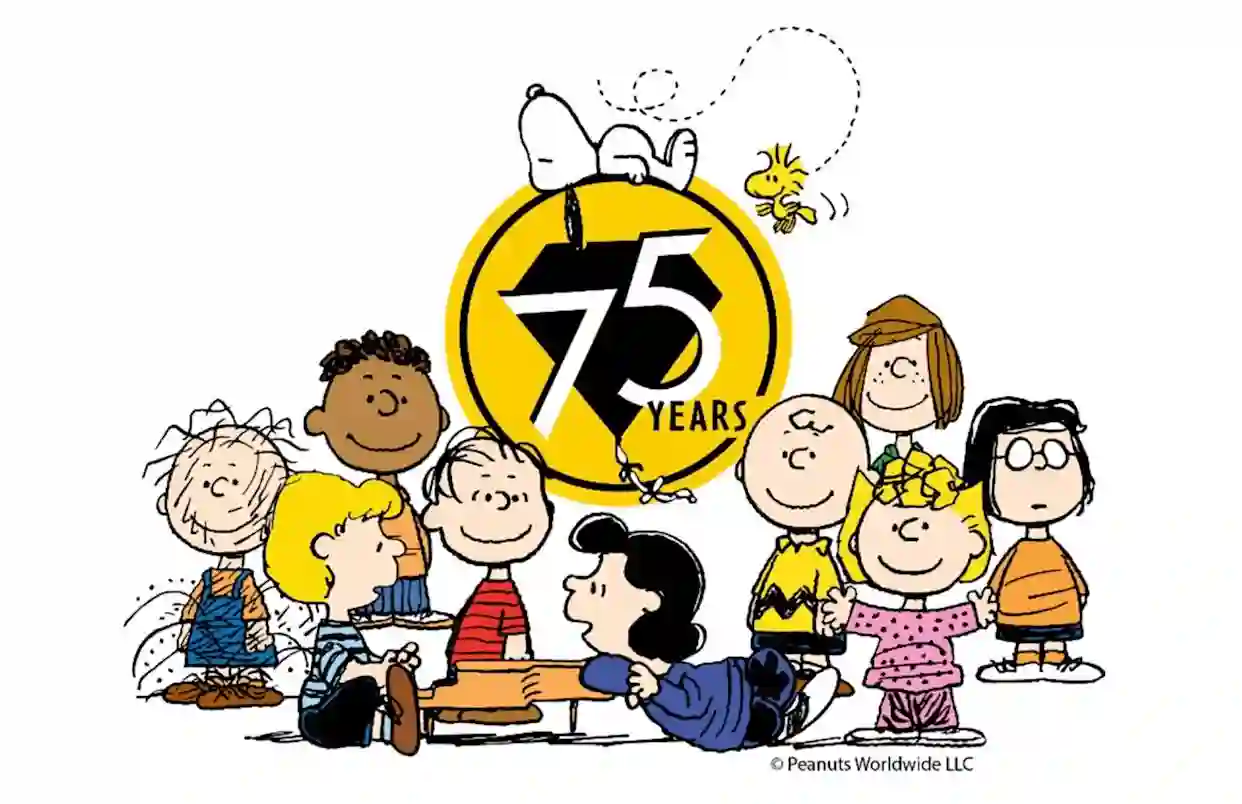
Sony has struck a landmark deal to significantly expand its ownership of the beloved Peanuts franchise, acquiring a 41 percent stake from Canadian studio WildBrain for approximately $460 million. This transaction builds on Sony’s existing 39 percent holding from 2018, elevating its control to 80 percent and positioning Peanuts as a consolidated subsidiary pending regulatory approvals. The Schulz family retains the remaining 20 percent, preserving their longstanding stewardship over Charles M. Schulz’s iconic creation that debuted in 1950 as a simple comic strip.
Peanuts has transcended its newspaper origins to become a global cultural phenomenon, generating billions through merchandise, television specials, feature films, and theme park attractions. Snoopy’s beagle escapades, Charlie Brown’s eternal optimism amid failure, and the profound simplicity of Linus’s security blanket have resonated across generations, embedding the characters in holiday traditions like the annual A Charlie Brown Christmas. Sony’s deepened investment signals aggressive expansion plans, leveraging the company’s vast entertainment ecosystem—including movies, music, gaming, and animation—to unlock new revenue streams from this evergreen IP.
Since entering the Peanuts partnership seven years ago, Sony has methodically grown the brand through strategic licensing and digital revivals. Recent hits include Apple TV+ musicals blending classic charm with modern production values, while merchandise spans high-end collectibles to everyday apparel. Sony Music Entertainment Japan CEO Shunsuke Muramatsu highlighted the synergy: the group’s global network will amplify Peanuts’ reach, potentially fueling theatrical reboots, PlayStation adaptations, or anime crossovers tailored for international markets. This acquisition aligns with Sony’s broader strategy of acquiring timeless IPs, mirroring purchases like Spider-Man rights that powered multiverse blockbusters.
The deal arrives amid a renaissance for classic cartoons, as nostalgia-driven content dominates streaming wars. Competitors like Disney dominate with Mickey and Winnie the Pooh, but Peanuts offers unique emotional depth—tackling loneliness, friendship, and mental health through childlike lenses that appeal to adults. Sony’s 80 percent control enables unified storytelling across mediums, from live-action hybrids to VR experiences where users befriend Woodstock. Financially, the franchise’s stability contrasts volatile tentpoles, providing reliable licensing income amid box office uncertainties.
### Peanuts Franchise Value Drivers
Peanuts’ enduring appeal stems from versatile characters ripe for reinvention.
### Strategic Acquisitions Comparison
Sony’s targeted buyout exemplifies efficient IP consolidation.
### Potential Peanuts Projects Under Sony
– Live-action/animation hybrid films starring adult Charlie Brown.
– PlayStation exclusive Snoopy adventure game with open-world flying.
– Anime series exploring Woodstock’s silent perspective.
– Expanded holiday specials with celebrity voice cameos.
– Global merchandise lines via Sony Pictures Consumer Products.
### Cultural and Commercial Impact
For fans, Sony’s stewardship promises respectful evolution rather than exploitation, honoring Schulz’s minimalist genius. The Schulz family’s continued involvement safeguards authenticity, vetoing dilutions that plagued lesser revivals. Economically, Peanuts could generate $1 billion annually across licensing, dwarfing initial investments.
This move fortifies Sony’s animation portfolio alongside Spider-Verse and recent Studio Ghibli deals, positioning it against Universal’s Minions empire. As streaming fragments audiences, owned IPs ensure evergreen content libraries. Peanuts’ universal themes—baseball woes, kite-eating trees, existential jazz—transcend eras, making it ideal for AI-enhanced personalization or metaverse integrations.
Ultimately, Sony’s bold stake cements Peanuts’ next 75 years. From comic panels to colossus, Charlie Brown’s good grief evolves into corporate triumph, proving timeless stories command premium valuations in entertainment’s IP arms race.