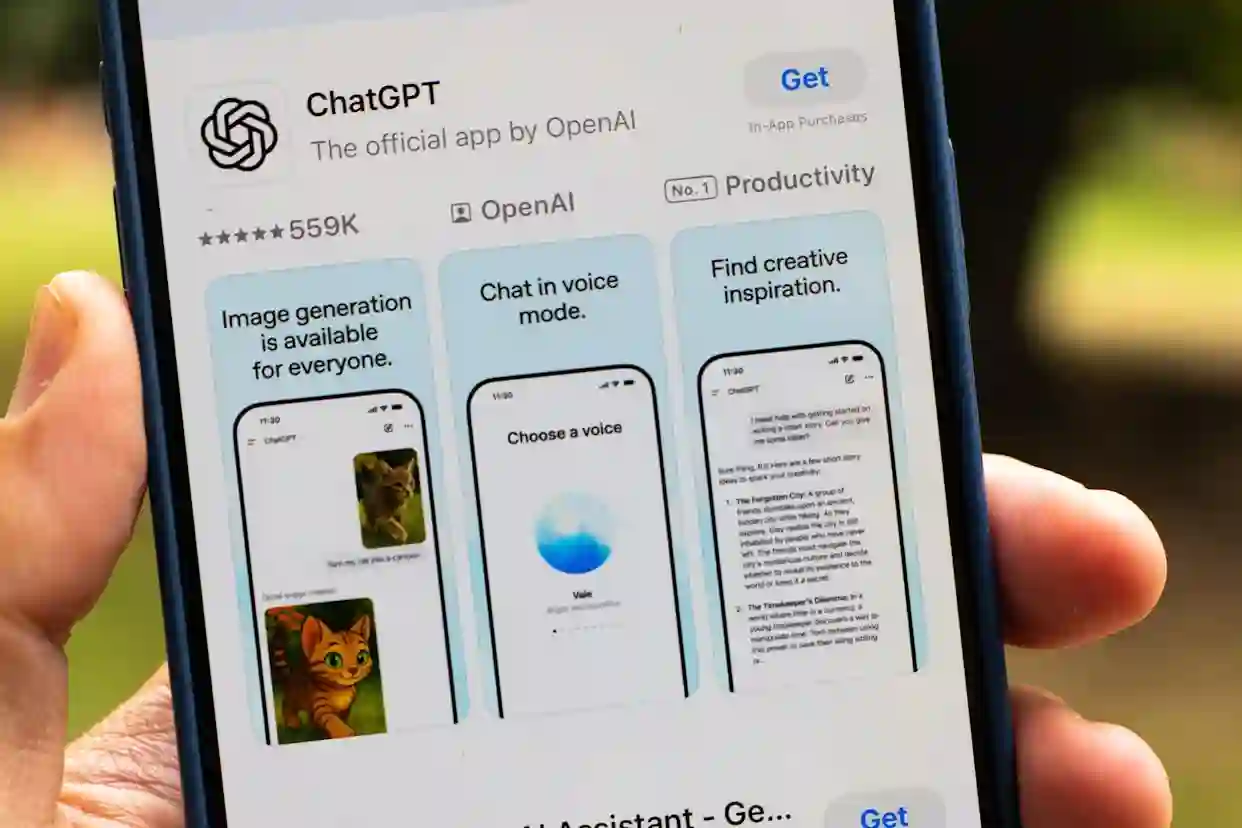
OpenAI has unveiled a transformative new feature for ChatGPT: an integrated app directory that turns the AI chatbot into a dynamic hub for third-party services. Available immediately on iOS, Android, and web platforms, this app store allows users to seamlessly connect everyday tools like Spotify, Dropbox, DoorDash, and Booking.com directly within conversations. By bridging ChatGPT’s conversational power with practical actions, OpenAI aims to evolve the tool from a simple responder into a proactive assistant that handles everything from music discovery to grocery ordering.
The app directory organizes integrations into intuitive categories—Feature, Lifestyle, and Productivity—making it easy to find relevant connections. Users simply select an app, tap “Connect,” authorize access, and begin interacting via natural language or @mentions. For instance, linking Dropbox enables summarizing reports, extracting insights from documents, or preparing briefing materials without leaving the chat. Spotify and the new Apple Music app let users search tracks, build playlists, and manage libraries conversationally, while DoorDash converts recipes or meal plans into instant shopping carts ready for checkout.
Developer Opportunities and Tools
Alongside the launch, OpenAI opened submissions for third-party developers to create and publish apps within ChatGPT. Comprehensive guidelines ensure quality, privacy, and seamless integration, backed by extensive resources including best practices, open-source example apps, a chat-native UI library, and a quickstart guide. This builds on the Apps SDK introduced in October, empowering creators to extend ChatGPT’s capabilities.
Monetization starts with external links to native apps or websites, though OpenAI hints at future in-platform options. Privacy remains paramount, with mandatory clear policies and user-controlled permissions. Connectors like Google Drive now unify under the “apps” banner, simplifying the ecosystem.
From Conversation to Action
This development fulfills CEO Sam Altman’s vision of ChatGPT as a versatile platform blending custom GPT bots with real-world utility. Apps act as natural conversation extensions, transforming ideas into tangible outcomes—outlining a presentation becomes a slide deck via integrated tools, or travel planning yields instant Booking.com reservations. The result is a fluid experience where users @mention services mid-chat, executing tasks without app-switching.
OpenAI envisions a thriving developer ecosystem where apps enhance daily workflows. Early examples demonstrate potential: music fans curate playlists via voice, professionals analyze files on-the-fly, and busy parents order groceries from recipe prompts. As submissions grow, ChatGPT could rival comprehensive super-apps like WeChat, centralizing services under AI orchestration.
Privacy and Ecosystem Balance
OpenAI prioritizes user trust with granular controls and transparent data policies. Apps require explicit consent, and developers must detail usage. This addresses concerns from past integrations, ensuring ChatGPT remains a safe conversational space. The model encourages competition—developers vie for visibility through quality and utility, fostering innovation without monopolizing features.
| Category | Example Apps | Key Functions |
|---|---|---|
| Productivity | Dropbox, Google Drive | Document analysis, summarization, insights |
| Lifestyle | DoorDash, Booking.com | Ordering, reservations, planning |
| Feature | Spotify, Apple Music | Playlists, searches, library management |
Strategic Implications for AI Platforms
The app store positions ChatGPT as more than a query engine—it’s an action-oriented interface competing with Siri, Google Assistant, and Alexa. By natively embedding services, OpenAI reduces reliance on external APIs while capturing value through ecosystem growth. Developers gain unprecedented AI distribution, potentially onboarding millions via ChatGPT’s user base.
Challenges remain: ensuring app reliability, preventing spam, and scaling support. Success hinges on curation—highlighting high-quality integrations while swiftly addressing issues. Privacy scrutiny will intensify as apps access personal data.
The Future of Conversational Commerce
OpenAI’s move heralds conversational commerce’s mainstream arrival. Users will orchestrate complex tasks through dialogue: “Plan my week—book flights via Booking, curate a workout playlist on Spotify, and order ingredients through DoorDash.” GPTs and apps converge, creating personalized digital assistants.
For developers, this democratizes AI integration—no need for standalone bots when ChatGPT handles orchestration. Businesses access conversational interfaces without building from scratch, accelerating adoption.
As the directory expands, expect rapid evolution. Vertical-specific apps for fitness tracking, financial planning, or professional tools could follow. OpenAI’s bet: seamless action transforms passive AI into indispensable daily companions, redefining human-computer interaction from questions to outcomes.