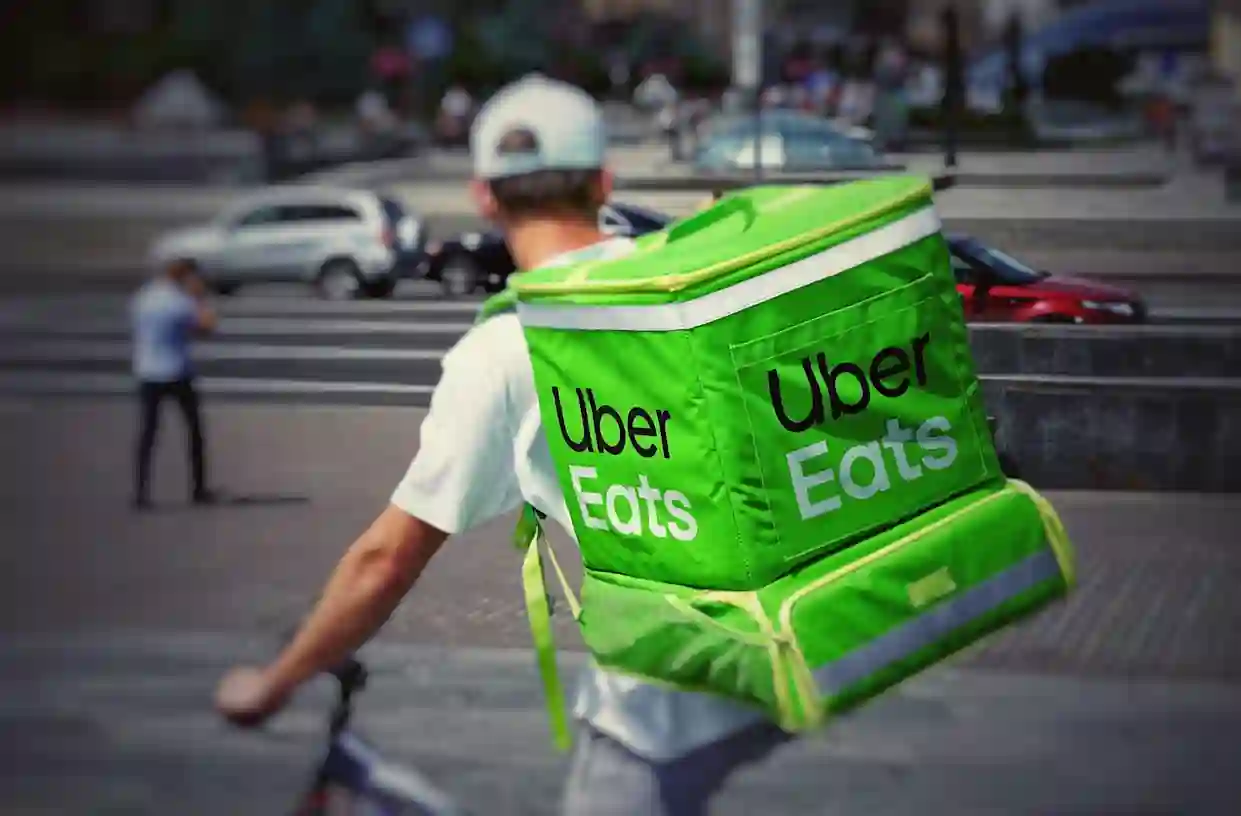
Uber and DoorDash, two of the largest players in app-based food delivery, have launched a joint legal challenge against a new law in New York City that encourages customers to tip delivery workers before completing their orders. The law, set to take effect next month, seeks to restore a practice that many advocates say helps stabilize income for delivery workers, while the companies argue it infringes on their constitutional rights and consumer experience.
The Legal Challenge
In a lawsuit filed in federal court, Uber and DoorDash claim that New York City’s rule forcing the inclusion of a tipping prompt at checkout violates their First Amendment rights. The companies argue that the policy amounts to compelled speech, forcing them to “deliver a government-mandated message” about tipping that could negatively impact how their platforms are perceived. They also contend that the regulation may worsen “tipping fatigue,” discouraging customers from completing transactions altogether.
According to the companies, requiring a suggested 10 percent tip at checkout—while still allowing customers to modify or remove the tip—interferes with the user experience that they have carefully designed over the years. Both argue that prompting users for gratuities too early could lead to fewer orders, decreased customer satisfaction, and reduced overall revenue.
Background: How NYC Got Here
The dispute traces back to 2023, when New York City enacted the nation’s first minimum pay rate for delivery workers—establishing a new baseline to ensure fair compensation for gig employees. In response, several delivery apps shifted the tipping option to after the transaction was completed, following the rideshare model used by Uber and Lyft. However, data soon revealed that this change led to a sharp drop in tipping rates. Customers, often distracted after their food arrived, were far less likely to return to the app just to leave a gratuity.
The new law aims to reverse that decline by reinstating the tip suggestion box at checkout, defaulting to a recommended tip of around 10 percent. While not mandatory, advocates believe the visual prompt significantly increases tipping rates, directly benefiting delivery workers who rely on gratuities to supplement their income.
Workers Push Back Against Gig Platforms
Worker advocacy organizations have strongly criticized Uber and DoorDash for opposing the new rule. Many see the lawsuit as another example of tech companies placing profits and user metrics above worker welfare. Ligia Guallpa, co-founder of the Workers Justice Project, condemned the tipping interface design as a deliberate move to “keep workers in poverty and make them depend on taking more orders” to meet basic living costs.
Delivery workers in New York City have long argued for more transparency and fairer pay structures. With approximately 80,000 full- and part-time couriers operating across the five boroughs, even small fluctuations in tipping behavior can have significant financial consequences. Data gathered by local labor groups shows that average tips declined substantially after the apps moved the suggestion field to post-purchase view, confirming that behavioral design choices directly affect workers’ income.
Economic Context: A Growing Industry
Despite these tensions, food delivery in New York has continued to thrive. Citywide spending on restaurant deliveries reached approximately $265 million in the first half of 2025, compared to just $183 million during the same period three years earlier. The convenience of on-demand dining remains irresistible to many city residents, even as service fees, surcharges, and delivery costs mount.
For frequent users, the frustration often lies not with tipping requests but with the growing maze of fees added to each bill. Items that used to cost $20 can easily balloon to $40 or more after service charges, convenience fees, and “regulatory recovery” costs. Critics argue that companies like Uber Eats and DoorDash have leaned on these hidden fees to offset rising costs while claiming that tipping mechanics are the real deterrent to consumers.
Political and Public Reactions
The law’s passage has also become a flashpoint in local politics. During the recent mayoral campaign, Mayor-elect Zohran Mamdani endorsed the tipping-at-checkout policy as part of his broader platform supporting gig economy workers. His opponent, former Governor Andrew Cuomo, who received $1 million in campaign donations from DoorDash, opposed the measure, citing concerns about regulatory overreach and potential impacts on small restaurants using delivery platforms.
Mamdani’s victory may have emboldened the City Council and labor advocates to take stronger action against gig companies operating in New York. The political climate increasingly favors policies designed to rebalance power between platforms and workers, with tipping reform serving as a symbolic test case for broader labor rights in the gig economy.
Free Speech vs. Fair Pay
At its core, this case pits corporate free-speech arguments against worker protection initiatives. Uber and DoorDash insist that forcing apps to present a government-endorsed tipping message infringes upon their editorial control and business model. The city, meanwhile, argues that the law merely restores transparency and consumer choice—allowing customers to decide when and how they express appreciation for labor.
Legal experts suggest that this lawsuit could set a precedent for future battles over interface design and behavioral nudges in digital platforms. If courts side with the companies, cities may face significant limits when attempting to regulate how apps influence consumer behavior. Conversely, if the city prevails, municipal governments may gain new tools to ensure fairness in emerging labor markets.
The Road Ahead
As the case unfolds, the outcome could ripple far beyond New York City. Other major U.S. cities—such as San Francisco, Chicago, and Seattle—have been closely watching how tipping regulations affect both worker income and platform accountability. A ruling in favor of NYC could encourage them to craft similar laws, while a victory for Uber and DoorDash might embolden tech platforms to challenge local oversight efforts elsewhere.
Whichever way the court decides, the lawsuit reflects a broader tension in the modern gig economy: technology companies continue to market convenience while struggling with the human costs of that convenience. For the hundreds of thousands of drivers and couriers who keep the system running, the push to move a small tipping box within an app could determine whether their work remains sustainable—or continues to depend on the goodwill of distracted, hungry customers.