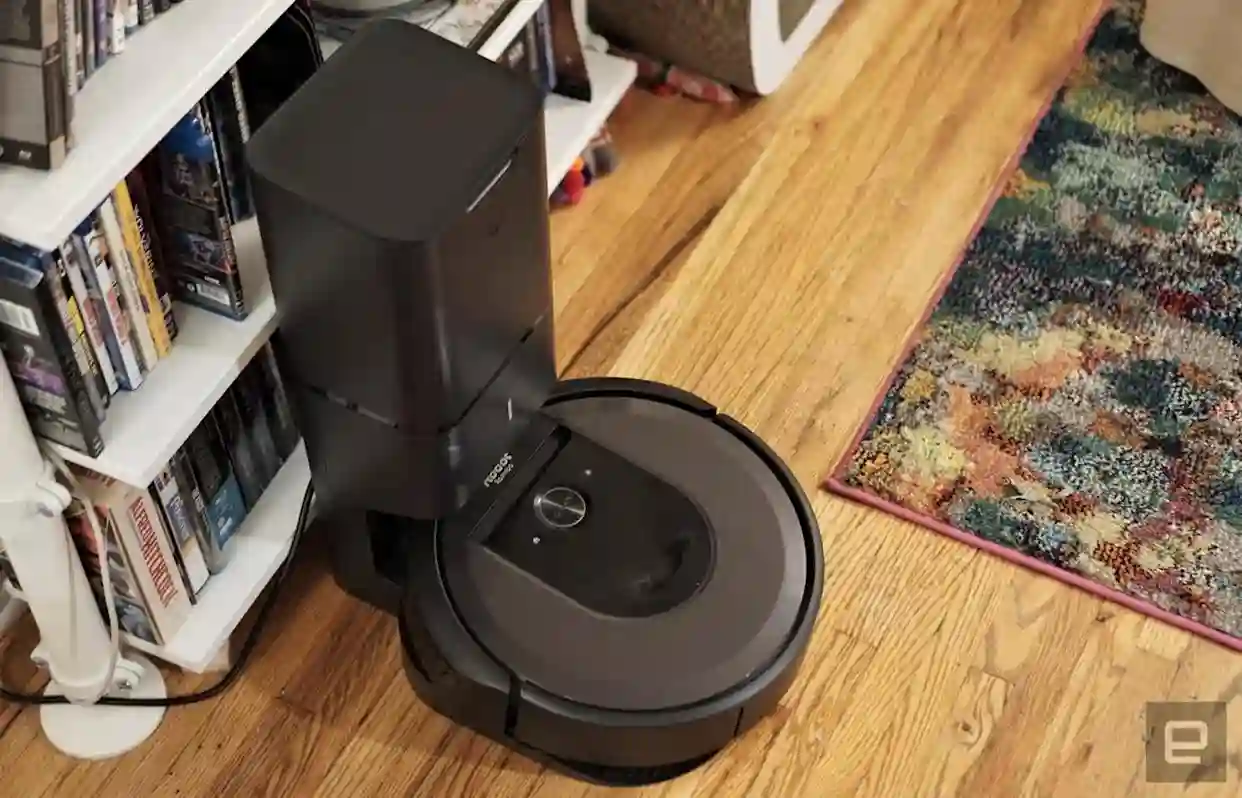
The story of iRobot’s downfall is one of innovation, complacency, and the harsh realities of global competition. Once a shining symbol of American ingenuity, iRobot transformed the way people thought about household cleaning with its Roomba line — sleek, autonomous robots that made vacuuming feel futuristic. But now, the company’s journey has taken a darker turn. The firm behind the world’s most recognizable robot vacuum has officially filed for Chapter 11 bankruptcy protection, and it plans to sell its assets to its primary supplier, China’s Picea Robotics, in a bid to survive. What happened to iRobot serves as a cautionary tale for every technology company operating in an increasingly volatile global market.
From Market Leader to Industry Casualty
At its peak, iRobot didn’t just dominate the robot vacuum category — it defined it. The word “Roomba” became synonymous with the entire product line, much like “Kleenex” for tissues or “Google” for search. Yet the company’s grip began to loosen when it failed to evolve at the same pace as its competitors. Rivals in Asia, particularly those supported by government subsidies or vertically integrated supply chains, rapidly improved both the quality and affordability of their devices.
Adding to the pressure, iRobot’s manufacturing operations in Vietnam became subject to a steep 46 percent import duty, wiping out much of its price competitiveness. Reports estimate this tariff alone added about **$23 million in costs**, which got passed to consumers in the form of higher product prices. Meanwhile, brands such as Roborock, Ecovacs, and Dreame Technology entered the spotlight with cheaper, smarter alternatives. These companies not only embraced new technologies like LiDAR-based navigation earlier, but also provided models with enhanced mapping, mopping, and obstacle recognition — features that iRobot adopted far too late.
Regulatory Constraints and the Amazon Deal Collapse
For many analysts, iRobot’s fate was sealed when its proposed $1.65 billion acquisition by Amazon collapsed in 2023. The deal, which could have provided iRobot with the financial resources and infrastructure to compete globally, was blocked by regulators in both the U.S. and the European Union on antitrust grounds. Critics argued that Amazon’s acquisition would consolidate too much market power in smart home ecosystems, while supporters claimed the merger was crucial for iRobot’s survival.
The vacuum left by that failed merger was both financial and strategic. With no corporate lifeline, iRobot’s dependence on contract manufacturers and its inability to scale production left it exposed. In the years that followed, its leadership struggled to chart a compelling course — caught between overpriced legacy models and undercutting competitors offering similar functionality for half the price.
A Perfect Storm of Challenges
The forces that led to iRobot’s collapse weren’t isolated — they were multidimensional. Several overlapping factors contributed to the decline:
– **Technological stagnation:** iRobot was slow to adopt LiDAR navigation and advanced AI mapping while others innovated aggressively.
– **Pricing disadvantage:** Competing brands offered good-enough alternatives for far less, eroding consumer loyalty.
– **Geopolitical and trade limitations:** Rising tariffs, global logistics disruptions, and foreign subsidy policies all chipped away at margins.
– **Missed brand opportunity:** The company failed to communicate what the Roomba represented beyond being the “original.” Consumers no longer saw clear value in buying premium.
– **Regulatory challenges:** The blocked Amazon acquisition removed a safety net that might have sustained R&D investments.
This mixture of internal hesitation and external pressure created an economic “perfect storm” that no amount of brand recognition could withstand.
The Price War Problem
The dilemma facing iRobot mirrors the struggles of other pioneering brands in saturated markets. Like Fitbit before it — which found itself squeezed by Xiaomi’s sub-$50 fitness trackers — iRobot was caught between upstart competitors and consumer expectations for affordability. Consider the current comparison: the Roomba Combo 405 sells for about **$400**, while Roborock’s Q7 L5+, which cleans and mops simultaneously, retails for just **$220**.
It’s not hard to imagine which product most average shoppers would choose. Though iRobot maintained superior build quality and customer support, mass-market appeal depends on the first purchase decision — and when price gaps become this wide, perception quickly overtakes loyalty.
Lessons in Innovation (and Complacency)
Former Intel CEO Andy Grove famously said, *“Only the paranoid survive.”* That maxim applies perfectly to iRobot’s downfall. In its early years, the company was scrappy, innovative, and driven by a sense of mission: bringing robotics into everyday life. But as time passed, iRobot began to rest on its laurels. Its last major leap forward in functionality came years ago, even as competitors evolved at lightning speed. The Roomba line retained favor among early adopters but failed to captivate new generations of tech consumers conditioned to expect frequent hardware and software updates.
Just as importantly, iRobot neglected to cultivate a strong emotional brand connection. Luxury appliance makers like Dyson or Apple justify their price premiums by curating user experience and projecting a clear identity. Consumers know what those brands stand for — design, durability, integration — while Roomba had no sharp message left beyond “it cleans your floor.” The company lost not only its technological edge but also its cultural relevance.
History Repeats: The Broader Implications
The iRobot saga resonates beyond the world of robotic vacuums. Its story parallels a worrying trend across other American tech sectors, where early advantage gives way to bureaucratic drift and fierce international competition. What happened to iRobot could easily happen to any company that lets ego, inertia, or short-term profit replace long-term innovation.
Consider, for instance, the electric vehicle market — where U.S. manufacturers are already showing similar signs of vulnerability. Some firms have resisted adopting essential technologies like LiDAR-based sensing, all while facing a flood of cheaper, better-equipped vehicles from China. Without diversification and decisive adaptation, these companies may one day share iRobot’s fate.
iRobot’s Cautionary Legacy
In the end, iRobot’s bankruptcy filing is more than a business collapse — it’s a case study in what happens when innovation stalls and strategy falters. Its acquisition by China’s Picea Robotics may temporarily keep the Roomba brand alive, but the soul of the company that once symbolized domestic automation has effectively been outsourced.
For technology companies worldwide, the lesson is clear: market leadership is temporary, and success that isn’t constantly reinvented will inevitably erode. The fall of iRobot isn’t just the story of one company losing its footing — it’s a warning flare for the entire American tech industry. In the modern marketplace, anyone can be king for a day, but without relentless evolution, no empire lasts forever.