
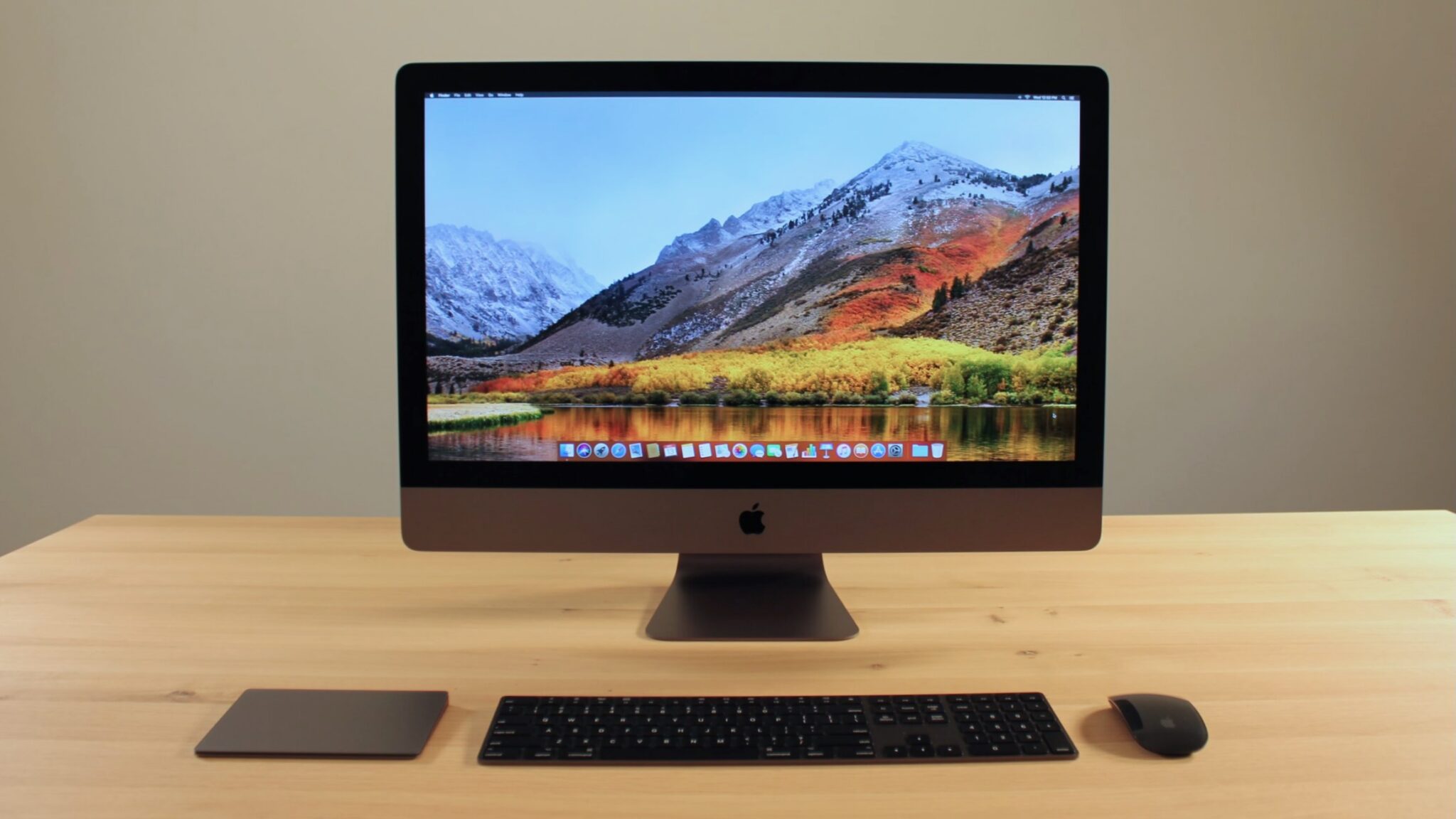
Leaked software references have revealed Apple is actively testing a high-end iMac powered by the M5 Max chip, potentially signaling the return of a professional-grade all-in-one desktop missing since the Intel era. Discovered in a kernel debug kit and pre-release iOS 26 build, the device carries the identifier J833c on the H17C platform, explicitly tied to Apple’s second-tier Max processor rather than base M5 or Pro variants. This development excites power users who have longed for a successor to the discontinued 27-inch iMac and the short-lived iMac Pro, offering workstation-level performance in the signature sleek iMac form factor that combines high-resolution display, powerful internals, and minimal cable clutter.
Apple’s transition to Apple Silicon reshaped its desktop lineup dramatically. The Intel 27-inch iMac served as the workhorse for creative professionals, pairing multi-core CPUs, discrete GPUs, and a color-accurate 5K Retina display ideal for photo editing, video production, and design workflows. Launched in late 2017, the iMac Pro elevated this further with up to 18-core Xeon processors, Vega GPUs, and expansive RAM configurations, targeting studios and agencies. Both vanished without direct replacements: the standard iMac shrank to a vibrant 24-inch M4 consumer model, while pro needs shifted to modular Mac Studio, Mac mini, or Mac Pro paired with separate displays like the Studio Display or Pro Display XDR. This leak suggests Apple may revive the category with M5 Max silicon, capable of 14-16 CPU cores, 32-40 GPU cores, and up to 128GB unified memory.
The M5 Max designation positions this iMac between everyday machines and ultra-high-end desktops. Current M4 Max chips already power 14- and 16-inch MacBook Pros, proving thermal feasibility in compact chassis, so integrating into an iMac frame presents minimal engineering hurdles. Expectations include a larger 27- or 32-inch display with modern enhancements like mini-LED backlighting, ProMotion 120Hz refresh rates, or even OLED panels for superior contrast and HDR performance. Such specs would rival standalone monitors while delivering seamless macOS integration, Thunderbolt connectivity, and the all-in-one convenience that appeals to creative agencies, educators, and home studios averse to desk clutter.
This testing phase coincides with a broad refresh across Apple’s ecosystem, including M5 MacBook Air and Pro updates, Mac mini, Mac Studio, a 12th-gen iPad, M4 iPad Air, next-gen AirPods and AirTags, a HomePod mini successor, Studio Display refresh, and smart home devices like tabletop robots. A lower-cost MacBook to phase out the lingering M1 Air at Walmart also appears, alongside iPhone 17e, 18 series, and foldable prototypes. The iMac Pro’s emergence stands out for filling the sole Intel-era gap without modular compromises, potentially launching in 2026 following M5 family rollout patterns observed with prior generations.
While software support confirms active development, commercialization remains uncertain—prototypes often evolve, pivot, or shelve based on market feedback, supply chains, and strategic priorities. Persistent rumors from analysts like Mark Gurman have forecasted larger iMacs since 2023, with 32-inch concepts repeatedly surfacing. Rising demand for AI-accelerated workflows in creative apps like Final Cut Pro, Logic, and Adobe suites favors high-core-count desktops, and Apple’s vertical integration enables optimized experiences unattainable via mini + display combos.
Current Pro Desktop Options vs Proposed M5 Max iMac
| Configuration | Performance Tier | Display | Form Factor | Price Range |
|---|---|---|---|---|
| M4 Pro Mac mini + Studio Display | High | Separate 5K 27-inch | Modular, cables | $2,000+ |
| Mac Studio M3 Ultra | Ultra | Requires external | Compact tower | $4,000+ |
| M5 Max iMac (leaked) | Max | Integrated 27/32-inch advanced | All-in-one | $2,500? (est.) |
Implications for Creatives and Power Users
Reviving a pro iMac bridges consumer accessibility with workstation muscle, appealing to photographers needing precise color gamut, video editors handling 8K timelines, and 3D artists rendering complex scenes. Unified memory architecture excels in machine learning tasks powering generative AI tools, while hardware ray-tracing accelerates real-time previews. The all-in-one design suits space-constrained offices, schools, and home setups, eliminating VESA mounts or stands.
Apple’s testing breadth hints at a 2026 product blitz emphasizing silicon maturity and ecosystem cohesion. For iMac loyalists, this leak reignites optimism that the clean, powerful desktop formula returns, blending nostalgia with forward-looking tech to reclaim professional desktops from modular fragmentation.