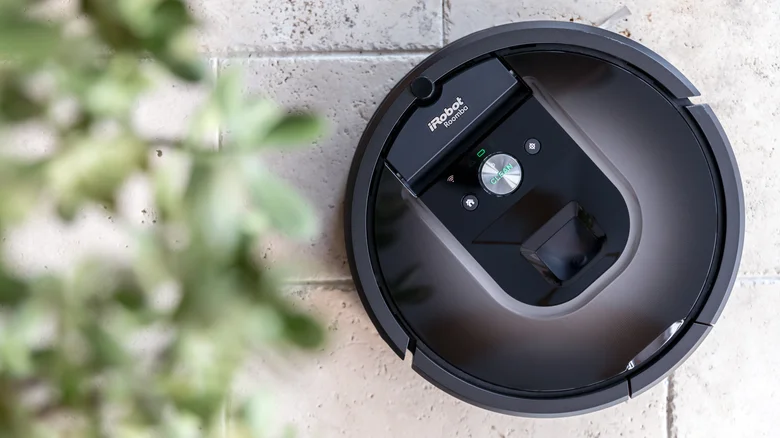
iRobot, the pioneering company behind the iconic Roomba robot vacuum that brought robotics into millions of homes, has filed for Chapter 11 bankruptcy protection in Delaware. The filing announces a restructuring agreement with its Chinese supplier and lender, Shenzhen-based Picea Robotics, which will acquire all of iRobot’s shares and take control of the struggling US robotics pioneer. This dramatic turn comes nearly two years after a proposed $1.7 billion acquisition by Amazon collapsed under EU antitrust scrutiny, leaving iRobot vulnerable to intensifying competition from low-cost Chinese rivals.
Founded in 1990 by MIT engineers, iRobot revolutionized household automation by selling over 40 million devices worldwide, with Roomba becoming synonymous with robotic cleaning. The company’s early innovation positioned it as a market leader, but recent years brought relentless pressure from budget competitors like Picea, whose aggressive pricing eroded iRobot’s premium market share. Declining sales forced repeated headcount reductions and a major management shake-up in early 2024, including the departure of co-founder Colin Angle as CEO.
Amazon Deal Collapse Accelerates Decline
Amazon’s 2023 acquisition attempt promised synergies with Alexa ecosystems and smart home devices, offering $61 per share—a lifeline that would have valued iRobot at $1.7 billion. EU regulators blocked the deal over fears it would diminish visibility for rival vacuum brands on Amazon’s platform, mirroring heightened global antitrust actions that also derailed Adobe’s Figma purchase. iRobot received $94 million in termination fees, but much of it vanished into advisory costs and partial repayment of a $200 million Carlyle loan now held by Picea.
By last month, iRobot owed Picea $161.5 million for manufacturing services—$91 million overdue—compounding financial distress amid shrinking revenues. Shares trading near $4 represented an 93% collapse from Amazon’s offer, reflecting investor pessimism as Chinese imports flooded markets with feature-rich vacuums at half iRobot’s price points.
Chinese Supplier Takes the Reins
Picea’s Hong Kong subsidiary now controls iRobot’s fate through bankruptcy proceedings, acquiring the company as part of debt restructuring. CEO Gary Cohen frames the takeover as essential for long-term survival, promising continuity for consumers, partners, and operations. Alvarez & Marsal serves as investment banker, with Paul, Weiss providing legal counsel during the transition.
This handover marks a poignant irony: the supplier undercutting iRobot’s market becomes its savior, highlighting globalization’s double-edged impact on American innovation. Picea’s manufacturing expertise and balance sheet strength position it to stabilize operations while navigating US-China trade tensions and potential national security reviews of the deal.
Lessons from Roomba’s Rise and Fall
iRobot’s trajectory mirrors Silicon Valley’s classic arc: disruptive invention captures early markets, but failure to scale pricing competitively invites commoditization. Roomba’s premium engineering commanded loyalty through superior navigation and reliability, yet consumers increasingly prioritized affordability as rivals matched features while slashing costs through Asian supply chains.
The Amazon debacle exacerbated woes, denying capital for R&D and restructuring. Regulatory intervention, while protecting competition, inadvertently strengthened Chinese consolidation. iRobot’s $250 million debt load proved insurmountable without acquisition, forcing reliance on the very competitor eroding its margins.
Future Under Chinese Ownership
Picea’s takeover promises operational continuity but raises questions about innovation direction. Will Roomba retain American design leadership, or shift toward cost-optimized engineering? US consumers may welcome stabilized supply chains, but brand purists worry about quality dilution as production consolidates further in Shenzhen.
Strategic implications extend beyond vacuums: iRobot’s military robotics heritage (including bomb-disposal bots) invites scrutiny amid US-China tech decoupling. Bankruptcy shields assets during transition, but CFIUS review looms over foreign control of defense-adjacent technology.
For the robotics industry, iRobot’s fate signals accelerating consolidation. Surviving incumbents must balance premium positioning against commoditization threats, while startups eye niche differentiation. Roomba’s cultural imprint endures—vacuuming shorthand in popular media—but its corporate parent enters uncertain Chinese stewardship, closing a chapter on American consumer robotics dominance while opening questions about innovation’s global migration.