
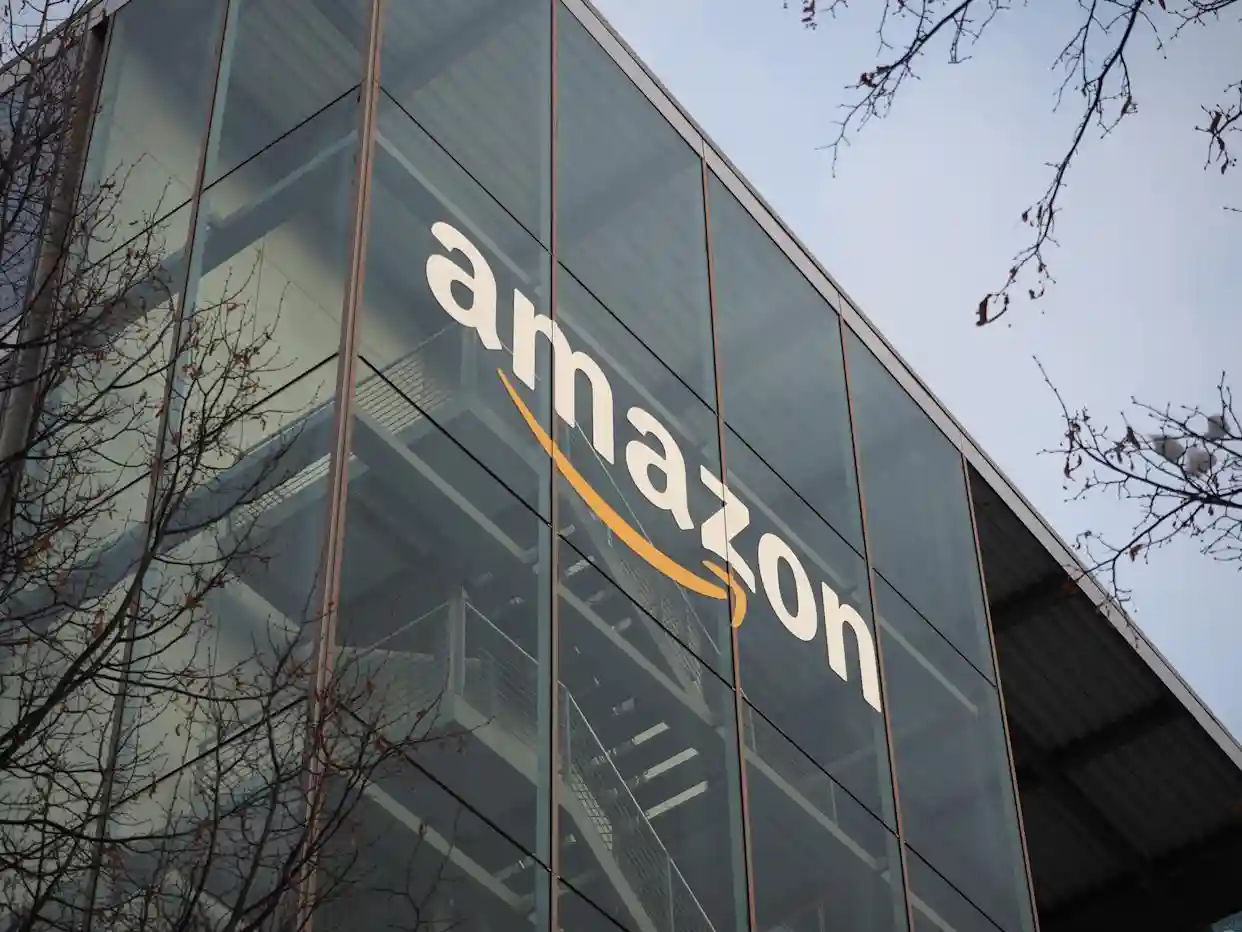
Amazon stands at a crossroads with the United States Postal Service, reportedly contemplating a complete severance of their multi-billion-dollar partnership to forge its own comprehensive delivery empire. Spending over $6 billion annually—nearly 8 percent of USPS total revenues—the e-commerce titan faces stalled contract negotiations that could reshape American logistics. This potential split highlights escalating tensions between public infrastructure and private innovation in the high-stakes parcel delivery arena.
Negotiation Breakdown Sparks Crisis
Longstanding talks between Amazon and USPS have crumbled, with the postal service reportedly pushing a controversial “reverse auction” model. Under this system, USPS would pit high-volume shippers against each other, awarding capacity to the highest bidder rather than maintaining stable partnerships. Amazon expressed shock at this pivot after nearly a year of discussions, emphasizing its commitment to extending their 30-year collaboration while exploring all alternatives to protect customer delivery reliability.
The e-commerce leader’s statement underscores strategic caution amid uncertainty, signaling readiness to accelerate independence if negotiations fail. This development arrives as USPS grapples with chronic financial losses exceeding billions annually, compounded by repeated price hikes that strain commercial relationships. Amazon’s evaluation of options reflects pragmatic business calculus in a landscape demanding flawless execution.
Amazon’s Logistics Empire Rises Rapidly
Over the past decade, Amazon has methodically constructed a parallel delivery network rivaling national carriers. The company operates a fleet of Boeing 767 cargo planes, deploys thousands of electric Rivian delivery vans, and advances drone delivery capabilities for small-package autonomy. Last year alone, Amazon processed over 6.3 billion parcels—a 7 percent surge—approaching 91 percent of USPS’s 6.9 billion volume, achieved with just 3 percent growth for the postal service.
Strategic acquisitions of sorting facilities, regional air hubs, and last-mile distribution centers position Amazon for full-spectrum control. Advanced routing algorithms, machine learning-driven load balancing, and real-time tracking create operational efficiencies USPS struggles to match. This infrastructure evolution enables same-day and two-hour Prime delivery promises across urban and rural markets alike.
USPS Faces Existential Challenges
The United States Postal Service confronts systemic crises threatening its viability as America’s universal delivery backbone. Persistent multi-billion-dollar deficits stem from outdated infrastructure, labor costs, and inability to compete with private carriers’ speed and scale. Failed modernization efforts, including stalled electric vehicle fleet transitions, underscore operational stagnation amid rivals’ aggressive investments.
Declining first-class mail volumes from digital communication further erode revenue foundations, while parcel growth fails to offset structural deficits. Legislative restrictions on pricing flexibility and service obligations handicap adaptability, creating a perfect storm as commercial partners like Amazon seek agile alternatives. The reverse auction proposal represents a desperate revenue maximization tactic, but risks alienating largest customers permanently.
Implications for American Delivery Landscape
A full Amazon exodus would devastate USPS finances, potentially accelerating service cuts in underserved regions while boosting private carrier dominance. Rural communities reliant on subsidized universal service might face higher costs or reduced frequency, exacerbating digital divides. Conversely, Amazon gains unprecedented control over customer experience, enabling innovations like predictive delivery and hyper-local micro-fulfillment.
Broader market dynamics intensify as Walmart, Target, and emerging direct-to-consumer brands invest in proprietary logistics. This privatization wave challenges the public-postal model established centuries ago, questioning whether government monopoly can survive in a same-day delivery world. Regulatory scrutiny likely follows any major split, balancing competition with universal service mandates.
Future Scenarios and Strategic Stakes
Optimistic resolution sees compromise pricing and volume commitments preserving partnership benefits for both entities. Pessimistic outcomes trigger Amazon’s full network activation, relegating USPS to niche last-mile roles or government-only services. Hybrid models emerge as likely middle ground, with Amazon maintaining strategic USPS usage for rural saturation while prioritizing proprietary infrastructure for high-margin urban corridors.
Regardless of outcome, this standoff accelerates logistics evolution, compelling all players toward greater efficiency and innovation. Amazon’s logistics maturation positions it not merely as retailer, but foundational delivery infrastructure provider reshaping commerce’s final frontier.